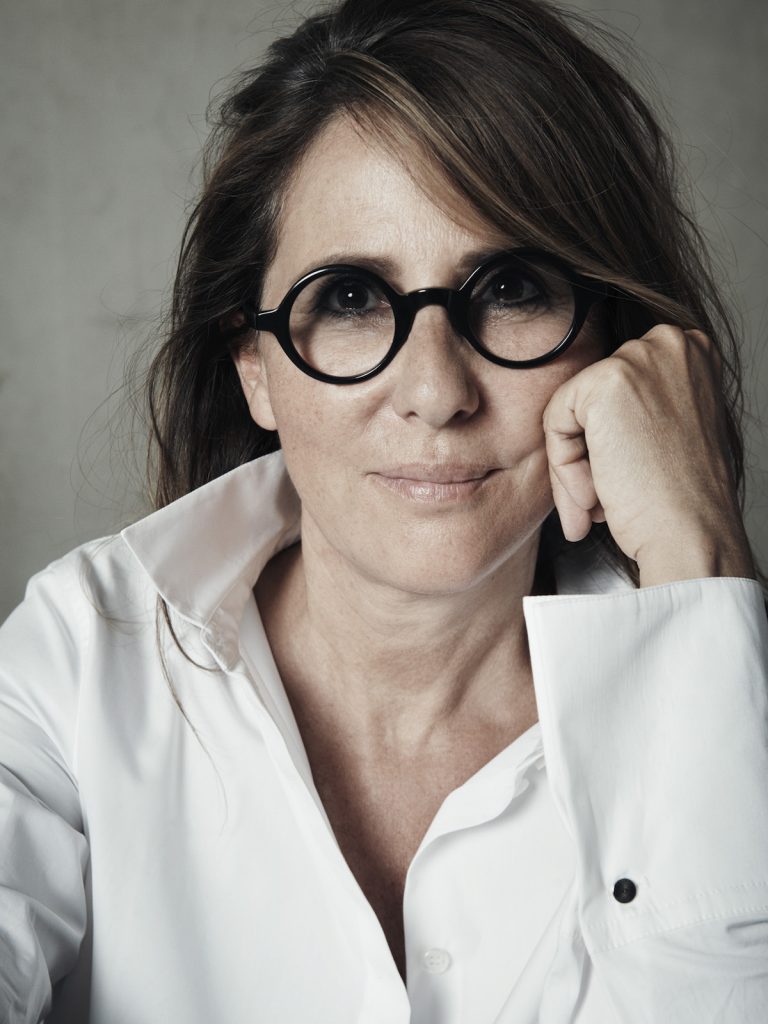
Nathalie Lorson’s fragrant world begins in the fields of mimosa on the hills of Tanneron, bathed in the honeyed light of Grasse. ‘My first scent memory is the field of mimosa when I was walking with my parents,’ she shares, a beginning that seems to set the tone for a career shaped by nature’s poetry and the meticulous science all true perfumers learn to wield.
Her path was forked-lightning bold – ‘In 1980, very few women entered the perfumery field,’ she remembers, speaking with the quiet steel of a pioneer. The daughter of a Roure chemist, Nathalie found herself drawn instinctively to scent, where ‘smelling, for me, was literally child’s play.’ After passing exams, she entered Roure’s school to immerse herself in the arcane language of molecules, accords and raw materials. For her, mastery flows from constant learning: ‘Designing fragrances is constantly a work in progress. Even today I feel like I am still learning,’ she observes.
Her style, she says, is ‘harmonious and generous…’, evident in the smooth, rounded sensuality knit into her blends. She’s one of modern perfumery’s quiet pulse-points, as vital to its rhythm as rose, vanilla or vetiver are to hers. ‘I like to work musky notes, vetiver and rose – but newness is also important and it is exciting to discover new materials.’
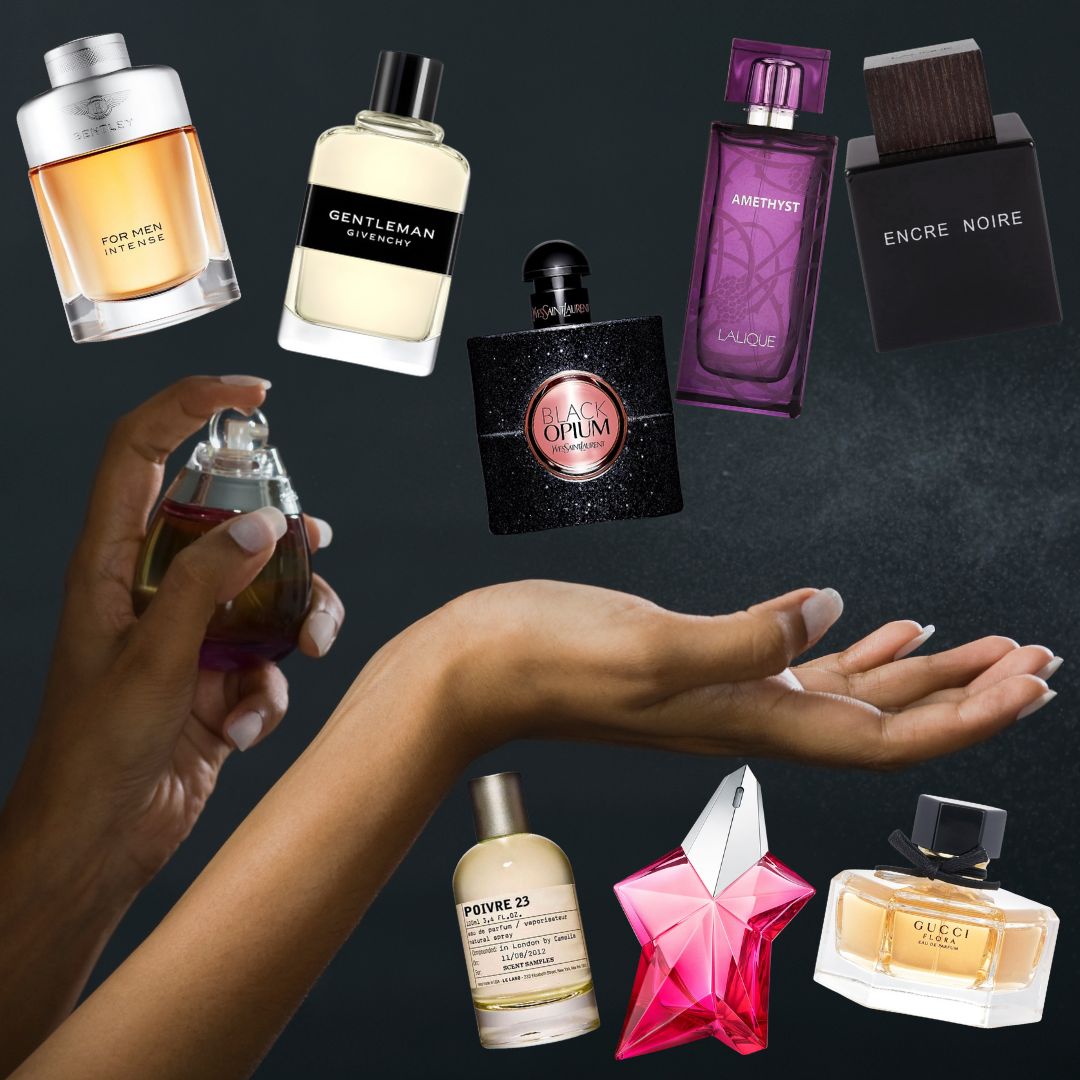
Nathalie Lorson’s perfumed portfolio, as myriad and shifting as a kaleidoscope, contains classics and cult favourites – Lalique Amethyst, Encre Noire (‘the beautiful story… was written with the purest vetiver, one of my favourite raw materials’), Flora by Gucci, Bentley for Men, Dita Von Teese EDP and the modern icon YSL Black Opium. Indeed, she is part of the quartet that gave Black Opium its velvet swagger, working for Firmenich, where she is Senior Perfumer.
Recent years have seen her hand in scents The Perfume Society loves to write about: Givenchy Gentleman (the contemporary 2017 version, co-authored with Olivier Cresp), Mugler Angel Nova, Boucheron Patchouli d’Angkor and Boucheron Santal de Kandy, Chopard Magnolia au Vétiver d’Haïti, and the enduring addiction of Le Labo Poivre 23. She seems to delight in the challenge of brand storytelling: ‘Always behind the scenes, I translate the brand history into an olfactory tale… I like to work with many different types of ingredients and explore them beyond their limits.’
Nathalie’s creative fragrant energy hums frenetically – ‘I am currently working on about 10 fragrances at the same time.’ Her travels, especially in Japan, spark inspiration for new olfactive territories, yet she stays grounded in the day-to-day texture of her craft: ‘Discussions with inspiring people are critical – they bring to life the ideas behind the scent.’ In interviews she adds, ‘We find lots of dust, but very few nuggets…’, alluding to the laborious search for newness and excellence each time she starts anew.
When Nathalie Lorson reminisces about her favourite smells, they speak to her breadth of memory: ‘Rose, vanilla, the smell of sand, freshly-cut grass and Christmas trees.’ And how incredible to think that her favourite first purchase – the original YSL Opium – set the course for a career mapping the DNA of French luxury. Asked how to fully appreciate fragrance, her advice returns to experience: ‘The best thing is to wear fragrance, to live with it, to smell it, to experience it.’
Pushed to choose the one fragrance she wishes she’d created, Lorson allows herself to pick two. ‘FlowerbyKenzo: a beautiful re-interpretation of a classic floral-powdery theme with a very identifiable trail. And Dior Hypnotic Poison: a product of pure pleasure, sensual, enveloping, very recognisable and with just the kind of “signature” I like.’
Today, pressed between luxury’s demands and niche creativity, Nathalie’s spirit remains keen: ‘Yes, with the arrival of all niche brands… the luxury brands are also asking perfumers to create fragrances with unique “signatures” that are new and different from others – so that’s very stimulating, too.’
Nathalie Lorson is – and ever was – quietly at the heart of things, dreaming ‘of everything that has not yet been discovered…’ For perfume lovers and practitioners, and for we fragrance-lovers alike, her work is a living invitation to scent, skill, and wonder, carried by a nose that grew up among the mimosas and never once switched off. And we thank goodness for that!
What fragrance would Jane Austen have worn, we wonder? From delving in to the world of Regency perfumery in England, and exploring the historic houses proudly still thriving today, to exploring a contemporary niche house evoking one of Austen’s most famous heroines, we invite you join us in this fascinating slice of Regency scented reveries.
This year marks 250 years of Jane Austen’s birth, and the Jane Austen Society have a number of fabulous events planned to celebrate. But what perfumes might Jane and her contemporaries (and the characters in the novels) have picked up on a shopping trip in Regency London? You can click on the links to be whisked back in time to explore their brand pages, read their full scented stories and discover some of the original olfactive treats…
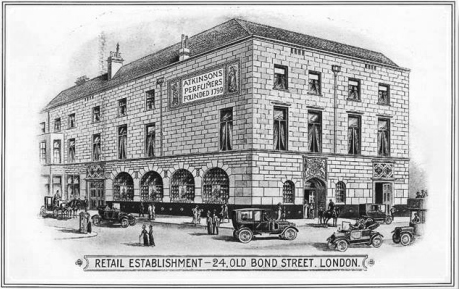
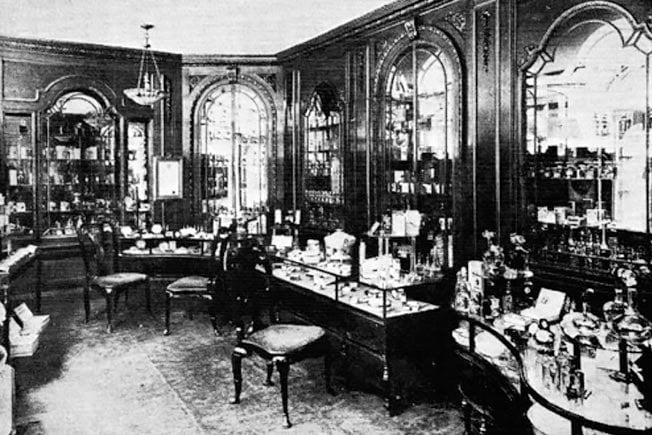
In spring 1799, an enterprising young man named James Atkinson set forth from the wilds of Cumberland for London. In his suit pocket were recipes for fine fragrances and toiletries he’d created himself. And next to him sat a generous amount of rose-scented bear grease balm. (Yes, really.) Even more extraordinarily, next to the balm sat a real, live bear who – so the tale goes – was utterly devoted to James. Mr. Atkinson opened a shop at 44 Gerrard Street, with Atkinsons being referred to as ‘that marvellous perfume shop with the most terrifying bear’. And James’s reputation was made… thankfully with rather more fragrant offerings. In 1800 launching a ‘fearlessly English’ eau de Cologne, which was strikingly different from the Italian-style Colognes: fresh, yes – but warm and spicy, too.
Yardley, too, has a proud (and VERY long) perfumed heritage, and happens to be named Yardley for the similarly feisty woman The firm has its formal roots in 1770, when the soap and perfumery firm known to us as Yardley London was established by the father of a man called William Cleaver. It got its so-familiar ‘Yardley’ name after a young woman called Hermia Yardley (daughter of the wealthy and ambitious businessman William Yardley), married William Cleaver – heir to his father’s soap and perfumery business. Young William persuaded Coutts Banking House to loan the business the sum of £20,000 (astonishing for those times), with his father-in-law as guarantor. When he couldn’t repay the loan, Hermia persuaded her father pay up – and thus, because of Hermia’s determinism and belief, Yardley came to be Yardley…
There’s some interesting snippets of information about Regency perfumery in the always-fascinating janeausten.co.uk, and they mention one of the U.K’s most famous (and still-thriving) perfumeries…
Floris. It’s an extraordinary chapter in British perfumery – even if its founder, Juan Famenias Floris, happens to have been Spanish by birth, travelling to London to seek his fortune. Step inside the shop at 89 Jermyn Street, then, and you are truly stepping into fragrance history. This is a house first founded in 1730, which is still operating out of its original premises, run by members of that same family. Many literary luminaries have graced the shop’s infamous customer ledger [Mary Shelley, author of Frankenstein and wife of the poet Percy Bysshe Shelley, wrote from abroad asking a friend to send in her next care package ‘two hairbrushes and a small toothbrush,’ from the store.] And in 1820 – the very end of the Regency era – Floris received its first of 16 Royal Warrants.
Meanwhile, modern perfume houses are very much infused with the spirit of literary inspirations – a subject we have often referred back to, and will certainly cover again, such is the extent of literature’s olfactory influence.
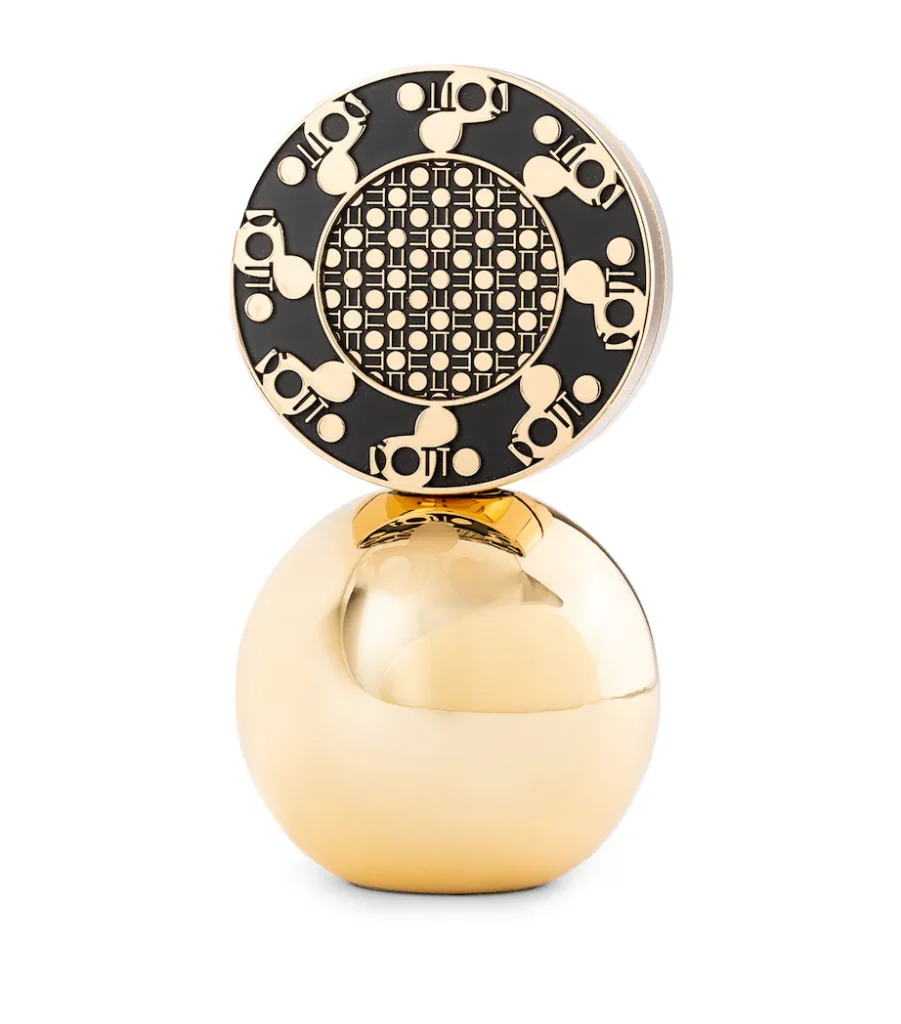
We were particularly thrilled when the always-creative house of D’OTTOsought scented inspiration in none other than Jane Austen as part of their Harrods-exclusive Literary Collection. [For reviews of the latest two Brontë fragrances by D’Otto, do see our soon-to-be-launched Summer edition of The Scented Letter magazine, and make sure you’re signed up to get your free digital copy as soon as it’s published!]
As D’OTTO explain:
‘The 1×8 Extrait de Parfum draws its inspiration from Jane Austen’s “Emma,” and her iconic quote,“Why did we wait for anything? Why not seize the pleasure at once? How often is happiness destroyed by preparation, foolish preparation!”
1×8 encapsulates the elegance, grace, and intelligence of Emma, the novel’s leading lady. Its lively notes recall the energy and vitality of youth combined with the romance and torment of a young woman as she grows up and her feelings mature.
A drop of this creation offers up lighthearted joy and the desire to discover the world. It is a testament to the irrepressible desire to experience every emotion intensely, with determination, passion, and self-confidence. 1×8 captures the essence of a daring soul, one that does not allow itself to be tamed by life’s challenges…’
So, which perfume might you plump for – to join in the costume parties, balls, games and literary gatherings celebrating Jane Austen’s 250th anniversary? (Or, of course, simply to wear when re-reading one of her still-sparkling novels) Might you be tempted by the modern evocation, or also want to explore the historic houses? In the spirit of Emma (and Austen herself), we say: dare to ‘seize the pleasure’ of several!
As these early months of the year slowly unfold, bringing with them the promise of new beginnings, it’s also a perfect time to pause and appreciate the absolute classics of fragrance. These timeless scents not only ground us in the rich history of perfumery but also help us recognise what we truly love in a fragrance. After all, many contemporary houses draw inspiration from these iconic creations that came before.
What’s particularly fascinating about these classic scents is how many of them were truly groundbreaking, way ahead of their time. It’s this innovative spirit that allows them to smell as fresh and utterly wearable today as they did when they first graced the perfume counters. So, before we dive headlong into exploring all the newness and following our noses to new trends, let’s take a moment to reset our senses with these five classic scents that are perfect to try right now…
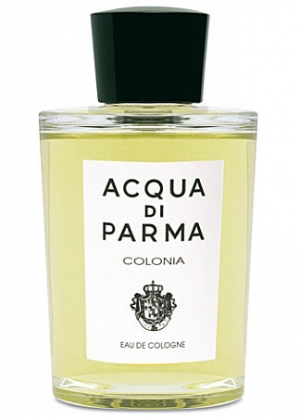
Acqua di Parma Colonia is a timeless emblem of Italian sophistication that has been enchanting noses since 1916. Originally used to scent gentlemen’s handkerchiefs, this fragrance has won the hearts of style icons like Cary Grant, David Niven, and Audrey Hepburn. One spritz, and you’re instantly transported to a sun-drenched Italian idyll. The vibrant notes of Sicilian citrus, bergamot, lemon, and sweet and bitter oranges infuse your senses with liquid sunshine, while the warm base wraps around you like the softest cashmere. It’s as if the Mediterranean breeze itself has been bottled for your pleasure.
Step further back in time (all the way to 1872!) with Penhaligon’s Hammam Bouquet, a fragrance inspired by the steamy aromas wafting from the Turkish Baths on Jermyn Street, Piccadilly. This scent is a sensual journey that evokes images of freshly soaped skin and shimmering heat. The unmistakable dusky Turkish rose intertwines with heady jasmine, creating an intimate dance of florals. Clean lavender provides a counterpoint, while woods, fluffy musk, and powdery orris round out this olfactory experience. Wearing Hammam Bouquet is like stepping into a luxurious bathhouse from another era.
For those seeking a burst of energy, Chanel N°19 offers a sparkling and vibrant option. This daring green scent manages to be both fresh and supremely wearable. The crisp, snapped-stalk freshness of galbanum is expertly balanced with soft, powdery iris. Heady ylang-ylang finds its match in the delicate shiver of spring air captured in lily of the valley and luminescent rose. If the iconic N°5 wasn’t quite your cup of tea, N°19 might just be the joyously energising fizz of freshness you’ve been looking for.
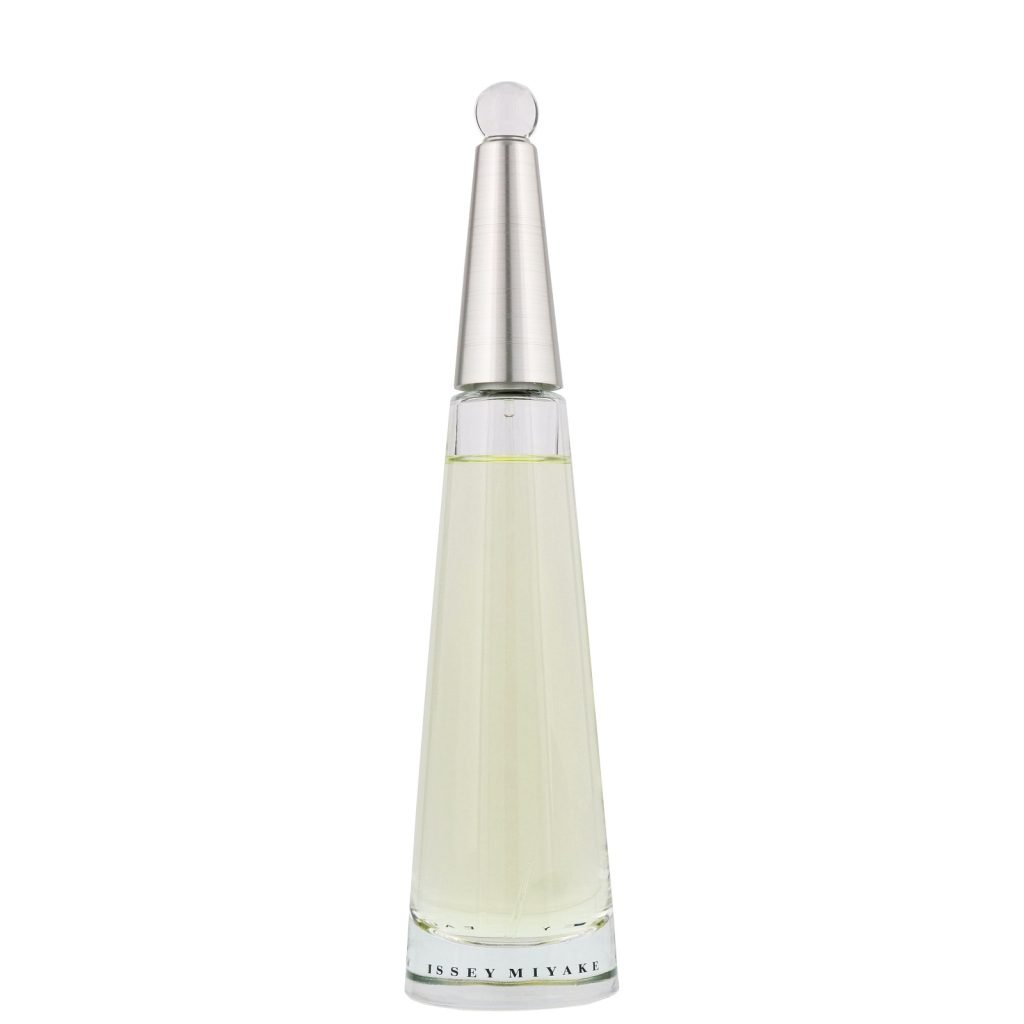
In 1992 Issey Miyake’s L’Eau d’Issey reimagined the very scent of water, transforming it into something chicly covetable. This fragrance is still a masterclass in delicacy, transparent lotus flower and freesia gently rippled through with light touches of lily, rose, and carnation. Perfumer Jacques Cavallier then dusted this aquatic bouquet with peony petals and rested it on a smoothly woody base, all tickled by a swirl of white musk. The result is a scent that still whispers beguilingly, as fresh and relevant today as when it first launched.
Kenzo Flower by Kenzo, launched in 2000, was a bloom for the new millennium. This fragrance dared to imagine the scent of a poppy – one of those elusive flowers we adore but which remain frustratingly ‘silent’ in nature. Thanks to the artistry of perfumer Alberto Morrillas, we can now experience over 20 years of powdery, violet-tinged, hawthorn-dusted beguilement. Wearing Flower by Kenzo is like strolling through a field of poppies on a warm spring day, the scent carried on a gentle breeze.
As we move forward, we’ll be turning our attention to the newer niche brands and names your noses need to get to know this year. But before we do, why not immerse yourself by falling in love with these classics again, or perhaps trying them for the first time? Allow yourself to be surprised by the results. These timeless fragrances offer a perfect opportunity to reset your senses and appreciate the artistry that has shaped the world of perfumery.
Who knows? You might just discover a new favourite amongst these beloved classics, or re-acquaint yourself with a lost love who’s been waiting for you all this time…
Are perfumers born with an innate sense of smell, or is their skill honed through diligent training? While some perfumers may possess a natural sensitivity to scents, the art and science of perfumery often require extensive education and practice. We asked some of the world’s best noses for their top tips on training our own…
Traditionally, aspiring perfumers trained in esteemed institutions, particularly in France. However, the world of perfumery has expanded, welcoming self-taught individuals and those who pursue part-time courses online or in person, guided by experienced perfumers.
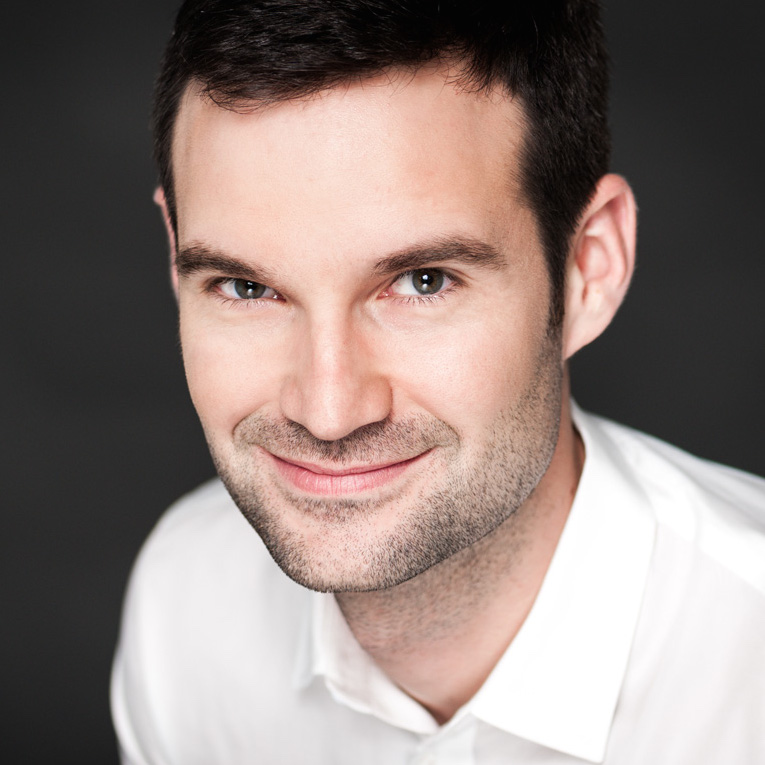
Mathieu Nardin, a native of Grasse and part of a new generation of perfumers, emphasises the importance of becoming more aware of the sense of smell. He advises focusing on the emotions and personal feelings evoked by scents to enhance olfactory memory. ‘The most important thing is that people become more aware of what a great sense smell actually is. Taste and sight always seem to come first and people aren’t so focused on their nose. What perfumers do is to close their eyes and focus on that one sense a lot – I mean all the time, not just at work. There are so many studies that say the nose is so closely linked to memories and images, it’s incredibly intense. But you have to explore it deeply.’
‘When you smell something – lavender, a particular perfume, a cooking ingredient – you have to forget what it literally is and instead link it to a personal feeling, whatever it makes you feel. The more you analyse those emotions and link that to personal feelings, the better you become at smelling more and memorising those smells. This is how we learn at perfumery school. It has to be personal, or it has no meaning…’
Esteemed perfumer Christine Nagel agrees, emphasising the importance of olfactory exploration every single day: ‘Be olfactively curious. Smell everything you can, everywhere, every day. Have your nose on high alert!’ And she should know. From the first time she met a ‘nose’, that’s what Christine Nagel knew she wanted to be. So she trained as a research chemist and market analyst, and in Paris, in 1997, was launched on a seriously distinguished career that’s included creations like the blockbuster Narciso Rodriguez for Her (with Francis Kurkdjian), Jimmy Choo Flash, and Guerlain’s Les Elixirs Charnels collection.
Alberto Morillas, who has created some of the world’s most iconic perfumes – Calvin Klein CK One, Kenzo Flower, Bvlgari Omnia, Cartier Panthere de Cartier, Giorgio Armani Aqua di Giò for women – suggests that anyone can improve their sense of smell. Born in Sevilla, Spain in 1950, Morillas describes himself as ‘mostly self-trained’ in perfumery, having begun his career at the School of Beaux Arts in Geneva before joining Firmenich in 1970. He advises, ‘If you train your nose, you’ll be able to make the difference between the main olfactive families. In fact, everyone has his own olfactive memory like a “library of scents”, made of smells you associate with people, places, travels, objects, food, moments of your life…’
‘You can enrich this library by smelling fragrances in store or trying them on skin to live with them,’ he coninues. ‘Some are fresher, some are more sensual, try to put words on what you smell to define the different sensations. Then repeat, repeat ceaselessly. Practice by smelling in blind. Be spontaneous, say everything, feel free to write everything which comes to mind. Time after time, you’ll have your own references and you’ll be able to classify fragrances by main themes, like woody, aromatic, citrus and ambrée. Memory. That’s the most important thing. You need to smell again and again and again the same thing and then mix it with other things and see how it changes. Like cooking – you need to taste all the time to improve your palette and it’s the same with smell.’
Sophie Labbé, a perfumer who spent her childhood between Paris and the Charente-Maritime area of France, encountering contrasting smells that proved particularly inspiring, also offers valuable advice. She studied at IPSICA, Paris’s perfumery school, and at the Givaudan Perfumery School in Geneva for six months. In 1992 she joined IFF as a junior perfumer, where Sophie has worked on fragrances including Bulgari Jasmin Noir and Mon Jasmin Noir, Calvin Klein Beauty, Estée Lauder Pure White Linen, and Salvatore Ferragamo Signorina and Signorina Eleganza.
Discussing how an ordinary person might think about smelling things the way a perfumer does, she said, ‘Open your nose – be aware of all the smells around us. Start with all the everyday smells that you take for granted and then move on to perfumes. You can train your nose. Smell as many perfumes as possible, starting with the classic milestone perfumes which every perfumer studies when they start their perfumery degree. Read as much as you can. There are so many books, and some excellent articles about perfumery.’
These insights from renowned perfumers, shared during interviews for our multi-award-winning magazine, The Scented Letter, where we regularly take a deep dive into how perfumers work through our popular Working Nose series, reveal that anyone can improve their relationship with fragrance. Even if you don’t aspire to become a perfumer, these tips can enrich your daily life.
Top Tips from Perfumers:
Be Olfactively Curious: Smell everything around you.
Focus on Emotions: Link scents to personal feelings and memories.
Build a Scent Library: Regularly smell fragrances and categorise them.
Start with Classics: Familiarise yourself with milestone perfumes.
Practice Blind Smelling: Test your ability to identify scents without visual cues.
So, as you can see, while some may have a natural inclination towards scent sensitivity, the journey to becoming a perfumer involves rigorous training and a deep connection to one’s olfactory experiences. Whether you’re an aspiring perfumer or simply wish to enhance your appreciation of fragrance, all these practices can totally transform your sensory world for the better. Now, how will you begin improving your own relationship to your sense of smell? We urge you to start today!
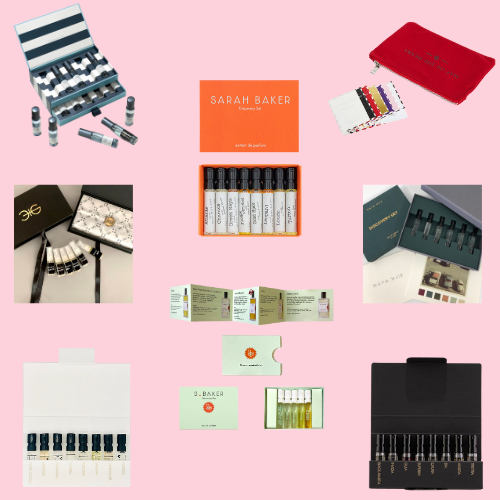
Why not begin your own ‘smell training’, as perfumers do, today? You can quickly and (much more) affordably build your own ‘scent library’ by collecting samples, as found in our curatedDiscovery Boxes – which include an array of scents from all manner of houses, niche, designer, independent, well known, or ultra new to the scent scene. Alternatively, there are a number of Brand Boxes you could begin with, featuring scents across the collections a house has to offer – perfect for comparing and contrasting the perfumers styles. However you choose to begin your nose training – start today, and get your sense of smell primed to enjoy your perfumes even more…
What are the world’s most precious (and costly) perfume ingredients? In the realm of fine fragrance, certain scented materials stand out not only for their exquisite aromas but also for their eye-watering price tags. These olfactory treasures, prized by perfumers for their unique characteristics, can elevate a scent from pleasant to extraordinary. Let’s embark on a fragrant journey through some of the world’s most precious (and therefore expensive) perfumery ingredients, exploring why they command such astronomical prices and what they bring to the olfactory palette…
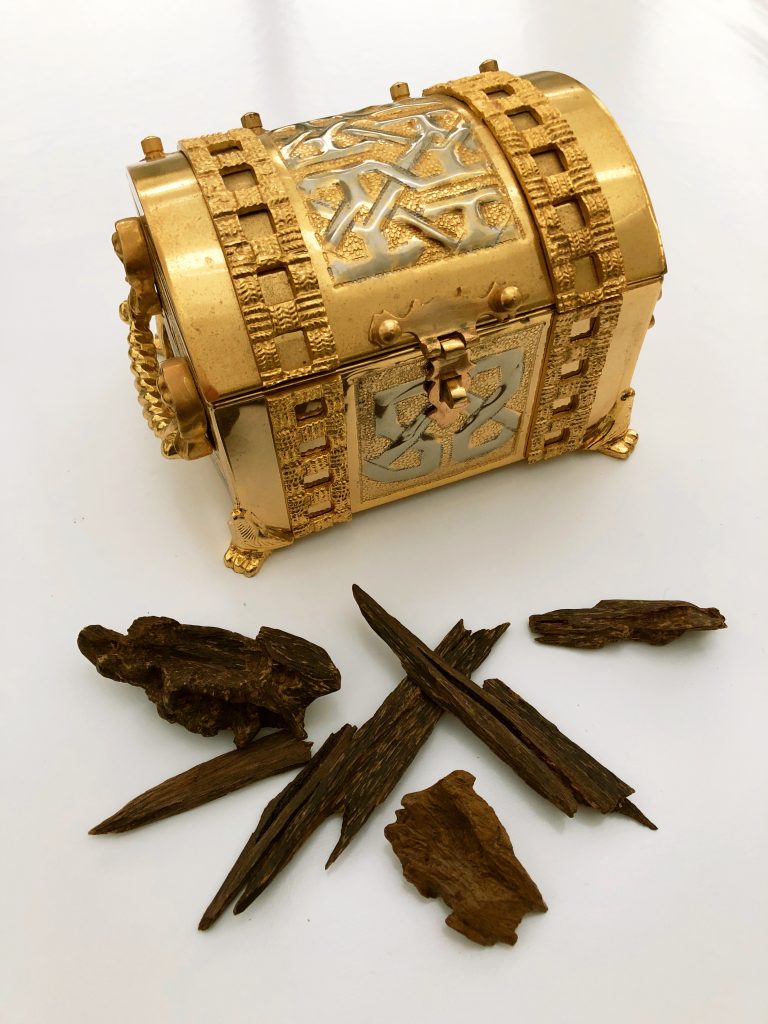
At the pinnacle of precious ingredients sits oudh, (frequently also spelled ‘oud’), often referred to as ‘liquid gold’ or ‘black gold’ in the perfume world
This resinous wood, harvested from the Aquilaria tree, can fetch up to £20,000 per kilogram. But why is it so dear? The answer lies in its rarity and the time-consuming process of its formation. Oudh develops when the Aquilaria tree becomes infected with a particular type of mould. This infection causes the tree to produce a dark, fragrant resin as a defence mechanism. However, this occurs in only about 2% of wild Aquilaria trees, making natural oud incredibly scarce. Perfumers prize oudh for its complex, woody aroma with hints of leather and smoke. It adds depth and longevity to fragrances, creating an air of mystery and opulence. The scent of oud is often described as warm, rich, and slightly animalic, with a touch of sweetness that develops over time.
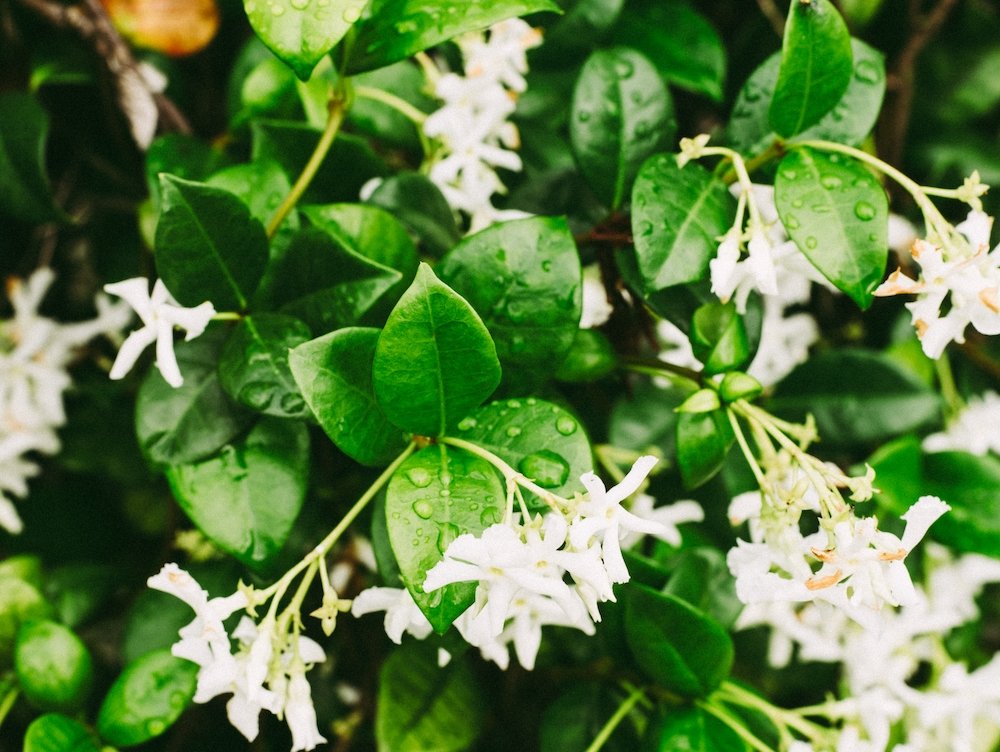
Jasmine, often called the ‘queen of the night’, is another extraordinarily expensive ingredient, with prices for this precious material reaching up to £5,000 per kilogram for the highest quality absolute.
The reason for its hefty price tag? The sheer volume of flowers required and the labour-intensive harvesting process. It takes approximately 8,000 jasmine flowers to produce a mere 1/25 ounce of absolute oil. The delicate blossoms must be hand-picked at night when their scent is most potent, and they need to be processed immediately to preserve their fragrance. Perfumers adore jasmine for its intoxicating, sweet floral scent with subtle green and fruity undertones. It adds a rich, sensual quality to fragrances and is often used as a heart note. The aroma of jasmine is complex, with facets of honey, tea, and even a slight animalic quality that adds depth to compositions.
Rose, particularly Bulgarian rose, is another costly ingredient, with prices hovering around £7,000 per kilogram. The expense comes from the labour-intensive harvesting process and the vast quantity of petals required, and because it takes a staggering 10,000 pounds of rose petals to distil just one pound of rose oil.
The flowers must be hand-picked at dawn when their oil content is highest, and the entire harvest must be completed within a few short weeks. Perfumers treasure rose for its versatility and complexity. Bulgarian rose oil has a deep, rich floral scent with honey-like sweetness and subtle spicy undertones. It adds a luxurious, romantic quality to fragrances and blends beautifully with a wide range of other notes.
Orris, derived from the roots of the iris flower, is often called the ‘truffle of perfumery’ due to its rarity and cost, which can reach up to £75,000 per kilogram. The astronomical price is due to the lengthy production process.
After harvesting, the iris roots must be peeled by hand and left to dry for about three years. During this time, the roots develop their characteristic scent – only then can they be ground into powder or distilled into an essential oil. Perfumers value orris for its unique, powdery floral scent with woody and violet-like undertones. It adds a soft, elegant touch to fragrances and acts as an excellent fixative, helping to extend the life of other notes in a composition.
Perhaps the most intriguing of all expensive perfume ingredients is ambergris, which can cost up to £35,000 per kilogram. This waxy substance is produced in the digestive system of sperm whales and is occasionally found washed up on beaches.
The rarity of ambergris and the ethical concerns surrounding its use have made it one of the most valuable ingredients in perfumery. Synthetic alternatives are now widely used, but natural ambergris remains highly prized for its unique properties. Perfumers cherish ambergris for its ability to fix and enhance other scents. It has a complex aroma that’s often described as marine, animalic, and sweet, with hints of tobacco. Ambergris adds depth, radiance, and longevity to fragrances, making them smell more rounded and sophisticated.
These precious ingredients represent the pinnacle of natural perfumery. Their rarity, the labour-intensive processes involved in their production, and their unique olfactory properties justify their astronomical prices. While synthetic alternatives exist for many of these ingredients, true connoisseurs argue that nothing can quite replicate the complexity and depth of the natural materials – though many noses would counter that the best modern fragrances use both high-quality naturals and synthetic aroma molecules, which can add even greater nuance and longevity to those treasured (and hugely expensive) naturally-produced ingredients.
In the end, while we adore perfumes across all price points—from the accessible to the utterly extravagant—there’s something truly enchanting about those rare ingredients that make us stop and appreciate the artistry behind them. Sometimes, it feels like we can practically smell the pound signs in these exquisite fragrances, reminding us that in the world of scent, luxury has its own unique allure. So, whether you’re indulging in a high-end masterpiece or a delightful everyday spritz, every scent can tell a story worth exploring.
One of the perfumery world’s most distinguished figures, Master Perfumer Olivier Cresp has composed hundreds of your favourite creations, including Christian Dior’s Midnight Poison, Penhaligon’s Juniper Sling, Dolce & Gabbana Light Blue, Givenchy Gentleman and, of course, the utterly legendary Thierry Mugler Angel – a perfume which became all the more poignant this year with the passing of Manfred Thierry Mugler on 23 January.
Named a master perfumer in 2006, Cresp joined the Firmenich team in 1992 and was honoured with the title Chevalier des Arts et des Lettres from the French Ministry of Culture in 2012. In 2018 he was announced as the Fragrance Foundation’s 2018 Lifetime Achievement Perfumer Award recipient, and far from slowing down, he’s now launched his own fragrance house of AKRO with his daughter, Anais.
Suzy Nightingale recently had the privilege of sitting down with this paragon of perfumery and in an exclusive interview originally for our magazine, The Scented Letter (which you can also buy a gorgeous print copy of) and discovering exactly how he works…
When does your day start?
Olivier Cresp: I like to play tennis in the morning, then go to the beach in the afternoon… [laughs] No, seriously, I never really feel like I’m working because it’s my passion, that’s why I’m still working within Firmenich, and then my own projects with AKRO – that’s pure pleasure because we have no limits, we can dare. On a normal day, I get to the office around 9:30. I love that you’re interested in this! The other day I had someone filming me all day long, for a short video that will be edited down to three minutes. It’s interesting that people want to know how perfumers spend their days, now. The first thing I always do is talk to the other perfumers – ask how their evening was, have a coffee. Around 9:45 or 10am I open my laptop and then start working.
Where do you work?
I have a double job, in fact: working for them as Master Perfumer, based in Paris, and working for my own house, AKRO. I have assistants, FDMs (Fragrance Development Managers), sales teams, managers, any number of colleagues depending on the project.
How does your day break down?
My office is open, so I have the FDMs come to see me, followed by the evaluators and the salespeople. After that some customers call me. A new thing is the number of Zoom and Teams online meetings we do throughout the day – a few years ago this just didn’t happen, but since lockdowns, it can be three hours a day of talking to colleagues through this connection. When I’m working on my laptop, I try to concentrate myself on the projects I have open at that time.
How many fragrances might you be working on at any one time?
In the past, when everything was done by hand, I could only work on eight or ten fragrances a day. Now, with computer technology, I can send fifty formulas a day, sending them all over the world. There are perhaps twenty projects I’m working on at once, sometimes more. I prioritise the fragrances by dates and even hours for deadlines. I can be fast. You have to be! Depending on how quick you are, you can win or lose a project. To work fast you must have the experience and use your time well. Instead of doing hundreds of experiments, like I did at the beginning of my career, I now only need to do four or five – then I know exactly what to move in my fragrance formulas and it just works.
Do you compose fragrances mostly in your head? Do you write by hand or use a computer?
It’s a good question – perfumers are like writers, some prefer handwriting or dictating, others like writing straight on a computer. Twenty-five, what, even thirty years ago now, I used to do everything by hand and my calculator. I’d handwrite the ingredients and work out the percentages and the price for them, because you have to know that. Those days are long gone. Now we have special programmes that work those bits out for you. When I’ve written my formula on my laptop I send it straight to the robot, the robot compounds about 80% of the formula. Then I have my assistants who weigh and compound the missing 20%. As soon as I get the idea for my fragrances, I know exactly what ingredients I want to use.
The next step for me is to discover the correct type or best quality for that fragrance. In two or three hours it’s fixed in my head. From that point I think about what else it needs to create the atmosphere I want, so I might think about what could create some smokiness or an animalic note, for example. Sometimes the idea is easy, but then it’s not easy to find the right molecules to match that smell in your head. I try to be figurative, to catch the profile of what I want. The other day I had to create the smell of a marshmallow. I’d never done that before really, but in two or three experiments I had it. I knew I wanted orange blossom, I used some violet and some rose-y elements, then some praline and vanilla to make it smell edible. It must be logical. It’s a chronological story, and then I’m never lost that way – it’s kind of a red thread I’m following.
What kind of other inspirations do you look for, during your day?
I can be inspired by anything, but conversation is really important to me. I buy loads of magazines on all subjects, I really enjoy reading Figaro, but I get lots of feminine magazines especially. I also love walking, being in the forest, foraging, fishing, smelling the seaweed. I always carry blotters with me, so during the day I tend to jot down ideas on those, just in a few words.
Do you break for lunch – or eat at your desk?
After meetings and working on those, I like to meet colleagues for lunch around midday to 1pm. We always go out because there’s no canteen or anywhere you can food in the office. Perhaps a few times a year if I’m in a hurry I grab a snack and eat that at my desk, but that’s not funny to me, I hate it. I could also go to my house for lunch, because my house isn’t far away, so that’s always a possibility. I might walk there and stay an hour, make myself some nice food, have a change of scenery, then I come back and feel revived by that.
After lunch, how long do you work for – and what will the afternoon be spent on?
I always feel more energetic in the afternoons than I do in the mornings – probably helped by the lunch, inspirational conversations with colleagues and simply the change of scenery – so I feel I can tackle more difficult things then.
What time do you go home? Is that the end of the day, for you? Do you continue to think about the fragrances when you get home?
In the past I used to stay until 9pm, when I was younger I’d work at least twelve hours a day, but I don’t do that any longer. So, let’s say after lunch, from around 2pm I usually stay in the office until 7:30pm minimum, then I go back to my house and do some sport. I never work at home, not ever, otherwise my head would explode. Well, okay, sometimes when I’m fed up, I take my laptop and work from home instead of the office, but on these occasions I’m with my wife and we stay maybe a week in Paris and a week in the South of France, where we have a nice flat.
Seeing the sea, the luminosity of the area – being in Cannes, visiting the islands, the harbour, watching the boats coming in and out – it gives me such inspiration. My nose doesn’t switch ‘off’ as such, but we’re not going around smelling things all the time as a perfumer, not in the same way as when we work, I think it would be impossible to have a life.
Do you need to be in a particular mood, to create?
Not especially, but I do need to feel energised I suppose, I must feel passionate about what I’m doing because otherwise what’s the point?
How long does it take from concept to finished fragrance, in general?
I mean my initial concept can be done in two or three hours, but how long it then takes to come out as a finished fragrance might be two or three years! Ideally, a year and a half is enough to create a great fragrance. You see you have to wait until the year after that to be on the market. There’s one project, I don’t want to say for whom [he chuckles], but I’ve been working on it for eleven years. And it’s still going on!
Do you listen to music while you work, and if so, what kind – pop, jazz, classical…?
No, I can only concentrate in one thing at a time when I’m working. So I couldn’t even read a book or magazine with the radio on in the background, for example, I don’t do that thing of watching TV while you’re on your phone and half reading something else… I do find most of the perfumers like to have music on the radio or stream it from their smart phone, but for me the key is to focus.
Is a visual moodboard of inspirational pictures / colours helpful for you to create?
More and more clients send me pictures to look through. Before, I’d be sent a few piles of pictures a year, in hardcopy. Now it’s mainly digital they can easily create a moodboard, it’s a visual language. To see on the screen what they want is useful. But often they can turn out the same. You know: it has to be strong but easy to wear, pleasing to the market, something different, long lasting, another unique fragrance…
When I’m gathering inspiration for myself, I read through all the magazines that I buy, I like to first of all flick through in about ten minutes to get an overview and see the colours, colours really drive me. I like to keep my eye in, see what people are interested in. Sometimes I then see these images again in moodboards clients then send me, because they often use images they’ve found in magazines, so I like to know the context. Sometimes the inspiration they send is really good, it helps give me ideas more quickly.
What is the most number of modifications you’ve ever had to do, on a fragrance? And the least?
Some just happen really quickly. Dolce & Gabbana Light Blue, for example, I did in forty experiments, but I have some that are painful – the longer you’re working on something I feel it’s the worst for creativity because you can get lost. I’m lost, the client is lost. The entire concept can change, the name, if it’s feminine or masculine in style, literally everything.
How many materials do you have at your fingertips, to work with? And how many tend to be in your regular palette?
Out of 1500 main ingredients I have access to – though it’s what we call a ‘living palette’ and that can always be added to – I’m usually working with the same 400. This means I don’t have to smell them all the time, which might sound strange to some people, but I know them so well I know all the outcomes and possibilities of them. It takes you ten years to get to know them that well – to see, to feel, to touch, then just to know.
How much of your day (or perhaps week) is spent on your own work – creating new accords, working with materials that may have been offered to you by the ingredients houses, to ‘store up’ and use for future finished creations?
I don’t have that time generally. The only trésor time I have, to do exactly what I want, is with AKRO. The thing is, I don’t get to actually smell materials all day, I don’t need to do that anymore to write a formula, I will only then smell them to create a big step in that formula or change it somehow. When we get new molecules or ingredients and extractions to smell, that is always exciting, because I don’t know them!
Is there one fragrance you WISH you’d created, and why is it so special?
[Without hesitation] Shalimar. It’s what I’ve smelled in my family for years, I love the richness of the bergamot with the leather and vanilla, the benzoin. It’s magic! I created Champs-Elysés for Guerlain – with musk, mimosa, you know, very different. I loved it but it didn’t go so well. [He laughs] I created for them, anyway, and it was a great time. For a masculine, I’d loved to have created Dior’s Sauvage. Another all-time classic. What more can you ask for?
Celebrating International Women’s Day, in previous years we’ve flagged up female perfumers who’ve shaped the scent world. For 2022 we wanted to give a particular high-five to some amazing women who’ve founded and continued to successfully run some of our favourite fragrance houses, during what has been one of the most challenging periods for retail – and the world! – in history.
So, let’s raise our glasses and support just some of these incredible and entrepreneurial women who strode their own paths in the world of perfume…
Imogen Russon-Taylor – Kingdom Scotland
From a distinguished career in the aromatic world of Scotch whisky, Imogen founded Scotland’s first fragrance house. Using perfume to share old narratives in new ways, tapping into the rich stories associated with perfume and natural ingredients, she’s also inspired by the Arctic explorer and Scottish botanist Isobel Wylie Hutchison – a woman ahead of her time, whose own tale inspired one of the initial trio of fragrances, Albaura.
Kate Evans – Angela Flanders
‘I’ve inherited this incredible legacy and I want it to live on,’ Kate Evans explains, having been bequeathed the award-winning London perfumery her mother, Anglea Flanders founded. Angela was a fragrant phenomenon: an utterly incredible woman with a life-long passion for perfume, who was still working – and creating beautiful scents – into her eighth decade. A costume designer turned interior designer turned perfumer, she passed her knowledge of ingredients and exquisite sense of style to Kate, who proudly continues at their Columbia Road boutique.
Amanda Connock – Connock London
Born of a love and respect for ‘nature, native folklore and family’, Amanda’s parents supplied hare to find ingredients to the perfumer industry – growing up surrounded by the world of scent, ‘‘I would sit in Dad’s office while he worked and smell the different bottles of fragrance on his desk’ she remembers. Blending samples and making bath salts as a child progressed to earning a business degree. Only four years after joining the family company, sadly her father died, but Amanda’s perfume passion blossomed afresh within her own fragrance house.
Marina Barcenilla – AromAtom
Part perfumer, part Space Scientist, having won awards for her aponymously named perfume house; after completing her studies in Planetary Science and Astronomy at the University of London, Marina created the house of AromAtom, because ‘As a Planetary Scientist and Astrobiologist I have thought deeply about what kind of strange and alien experiences humans might have on another planet. As a Perfumer, I know that memories and olfaction are intrinsically linked, and I have always found it easier to express my deepest thoughts and emotions through fragrance…’
Tonya Kidd-Beggs – Stories Parfums
A full-time mother of four, with two boys and twin girls to keep her busy, Tonya’s family played a significant role in her scent story: the twins inspired the brand name, that Tonya explains, ‘…pays tribute to the stories that shape our lives, from pain to beauty and from struggle to freedom.’ Having been born into the heart of Northern Ireland’s ‘troubles’, herself, and struggling to come to terms with thinking about the future curated each blend personally as a testament to the power of fragrance in her own life; Tonya’s turned her fragrant story-telling into a successful business – an inspiration to us all.
Amy Christiansen Si-Ahmed – Sana Jardin
A former social worker whose c.v. includes time with the Bill Clinton Foundation, the Robin Hood Foundation and the Cherie Blair Foundation; Amy set about ‘changing the world, one bottle of perfume at a time.’ Working with perfumer Carlos Benaïm, she sources ingredients via a women’s co-operative where, locally, they can now market orange flower water, candles made from flower wax, and compost made from the waste flowers.
Mona Kattan – Kayali Huda Beauty have been wowing the world for over a decade, building an empire that went from a humble beauty blog to a blockbusting makeup and beauty business. Believing ‘scent is our most transformative part of our beauty routine, It has the power to completely change how we feel’, Mona and sister, Huda, are American-born to Iraqi immigrants, both now running their businesses from Dubai, embracing diversity and often opening up about the bullying they faced in childhood. Truly inspirational.
Holly Hutchinson – Memoize
On her seventh birthday, Holly was gifted her very first set of miniature perfumes. As her mother was ‘an avid collector of unusual scents’, perfumes were almost indelibly linked to scented snapshots of her childhood memories. Having joined a prestigious niche fragrance brand, after several years Holly says she ‘knew immediately’ what her own concept should be: sharing the emotionally evocative memories that launched her own fragrant career, while helping perfume-lovers explore their own scented memory banks.
Olivia da Costa – Olfactive O
From Chelsea College of Art, Olivia went on to become fascinated by scent as a literary device in turn of the century novels, while then studying English Literature. The psychology of perfume led her to working her way up from shop assistant to buyer at John Lewis, and when a friend introduced her to a distinguished perfumer, the passion became reality in her personality led, story-telling scents.
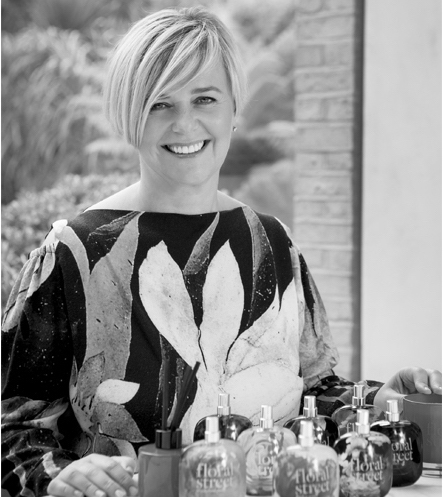
Michelle Feeney – Floral Street
Following her time at the Estée Lauder Companies, then revolutionary tanning name St Tropez, the always enterprising Michelle Feeney unveiled a fragrance line ‘built on the streets of London’. With an ethos of sustainability, the vibrant fragrances celebrate florals in a so-modern way, and from a flagship Covent Garden boutique to huge success in Sephora, these bouquets are blooming.
Ruth Mastenbroek
Having discreetly created fragrances for many famous private clients, she made the famous Grapefruit candle for Jo Malone (which Jennifer Lopez loved so much, she bought 300 for her hotel room). The first perfumer to use advanced micro-encapsulation (in a scented bathrobe) she now has her own fabulous fragrances evoking treasured memories, perfectly balanced and captured forever.
Sarah McCartney – 4160 Tuesdays
Having written for LUSH for 14 years, Sarah studied essential oils, acquired a small kit of rare ingredients and made her first fragrance. She then wrote a novel about ‘a woman who makes perfume to remind people of a time when they felt happy’ and turned her hobby into a business. There are 4160 Tuesdays in the average lifetime, and Sarah squeezes the scented juice out of every single one.
Emmanuelle Moeglin – Experimental Perfume Club
Completing her extensive training at the French perfumery school of ISIPCA, Emanuelle worked as a Scent Design Manager for various global fragrance brands, then become an independent perfumer based in London. Wanting to make the fragrance world more inclusive, she runs incredibly popular workshops which led to her own line of exceptionally exciting scents, including kits to make your own.
Rebecca Rose – To the Fairest
Inspired by storytelling and female strength, Rebecca first explored perfume via treasured vials from her grandmother. Later, still scent-obsessed, meeting fragrance expert Lizzie Ostrum encouraged her to launch her own company. Dedicated to giving back, Rebecca donates funds to charities, including a horticultural project working with vulnerable people; and during the pandemic, Head to Toe, who support people receiving mental health, community and social care.
Nancy Meiland
Apprenticed to one of the UK’s experts in custom perfumery, Nancy began her career creating bespoke fragrances, she took her dream and made it reality – all the while, dividing her time between town and country and raising a family. Now with her own artisanal line, she has the knack of conjuring emotional responses with lyrical fragrances that are contemplative yet so effortlessly sophisticated.
Whichever of their fragrances you choose to explore, you will be amplifying and applauding the hard work and bravery of these female founders, every single time you spritz…
Have you ever wanted your own personal perfume shopper? Well now, The Merchant of Venice is offering you the experience from the comfort of your own home…
While we’d dearly love to be sauntering through the heart-stoppingly beautiful streets of Venice and sniffing the perfume wares in person – as we did on our magnicent trip to the birthplace of fine perfumery – The merchant of Venice has come up with a cunning way to bring us the luxury of a one-to-one expert scent consultation, but all without having to leave your own sofa.
During these strange days, it can be difficult to know where to begin when searching for a new scent, and so The Merchant of Venice want to offer ‘…a new type of sensory experience’ with which to ‘re-establish a human contact’ with customers, thanks to its highly professional consultants being made available via a virtual online personal shopping experience.
When the princess Teodora Ducas – daughter of the Emperor of Byzantium – married the Doge Domenico Selvo in 1060, it can be said the grand Venetian tradition of perfumery (and the accompanying products with which the royal court liked to adorn themselves) truly began. So when you experience a fragrance from The Merchant of Venice – it’s a nod to the very history of perfumery itself…
During your navigation of The Merchant of Venice website, they tell us, you will be able to ‘interact with specialists in a sophisticated presentation of the collections’ that will guide you in your choice of the perfect perfumes for you to try. So, from your home, you can ‘take advantage of a private, tailor-made and highly professional service as in The Merchant of Venice boutiques.’
We have had the great privilege of visiting The Merchant of Venice boutiques, and they are beyond expectations – each unique in character and stunningly presented (as are the perfumes, themselves).
During your online personal shopper consultation, you will have each fragrance thoroughly described, using its olfactory notes. But much more than that, your personal shopper will listen to your exact requirements, and give personalised advice ‘…to find the essence that best suits the personality of each person. A dynamic that has been refined over the years also thanks to the experience at the Perfume Museum at Palazzo Mocenigo in Venice’
And oh, when we can travel again, we urge you to visit the Palazzo Mocenigo – it’s the most incredible collection of perfume history we’ve ever seen – from the thousands of historic perfume bottles, to the imaculate reconstruction of a 16th Century perfumer’s workshop.
Back to the present day, meanwhile, the traditions continue. ‘The ability to describe the history and origin of raw materials is the basis and the starting point for communicating the great passion and history that lies behind each creation,’ The Merchant of Venice explains, and the first personal shopper to assist you will be Christian Waas.
‘He comes from a family of perfumers and has collaborated with several international perfumery houses’ they continue, and apart from his fluency in English and German, Christian was chosen for ‘his ability to combine in-depth knowledge of perfume with sales expertise, together with his passion for history and culture,’ and his inate ability to present this to you in an exciting, engaging way.
The service will be active from mid-October through an online booking at themerchantofvenice.com
What on earth would princess Teodora Ducas have made of the fact that, 960 years since her marriage, future fragrance lovers around the world would be booking personal perfume consultations via a little magic screen they can keep in their pockets? It would surely have blown her mind. But the fact we still hanker after the magnificent scents made in Venice? We have a hunch she wouldn’t have been very surprised…
We’re currently loving exploring ScentCulture.tube – a website offering ‘an incisive look at a research project that reveals the secrets of creative practice in perfumery.’ So how do perfumers solve a mysterious scent mystery when working on their composition?
‘In most cases, a perfume is meant to be a pleasurable odour,’ the ScentCulture piece begins, ‘Technically, it is a mixture of essential oils, aroma compounds, and solvents used to provide an agreeable scent. Yet, the process is more complex than often explained.’
In a fascinating film called Wet Dog: Chasing the Villain, offering a unique insight into (okay, we’re calling it) one of the most inventive and brilliant perfumers working today; we get to see how Christophe Laudamiel works with raw materials and traces the mysterious presence of sudden appearance that’s certainly less than ‘pleasurable’…
Together with fellow perfumer Christoph Hornetz, during the development of ‘a jewel-like perfume’, they suddenly discover ‘…an unpleasant facet, an annoying animalic note. Laudamiel calls it a “wet dog” that only appears after some delay. The two perfumers are puzzled. The phenomenon seems to be really special, if also undesired. They investigate the composition, ingredient by ingredient. In the end, the detective search for malodor delivered a suspect for which Christoph Hornetz had noticed the same unexpected effect in other previous instances.’
We wont spoiler it for you, but the chemical compound they trace it to is actually often described as ‘tropical coconut, tonka bean and tobacco’. So how do we get from delicious to dawg? The clip linked above tells the detective story of that puzzling perfume mystery…
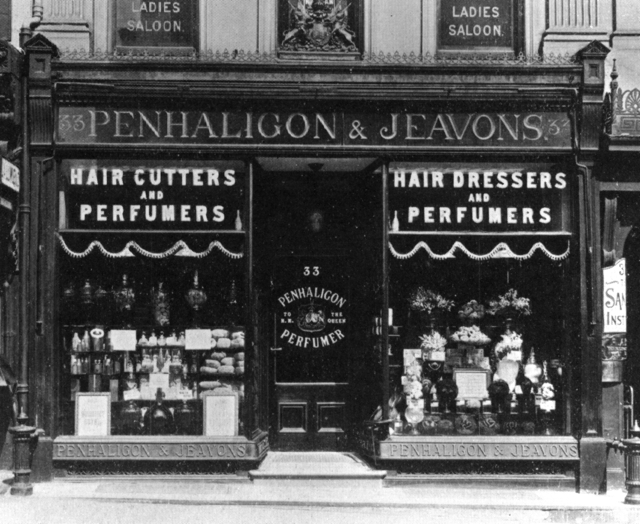
Penhaligon’s opened their very first boutique in London’s fashionable Jermyn Street in1872 and have since gone on to open locations spanning the globe – you can read all about their fascinating history on our page dedicated to Penhaligon’s.
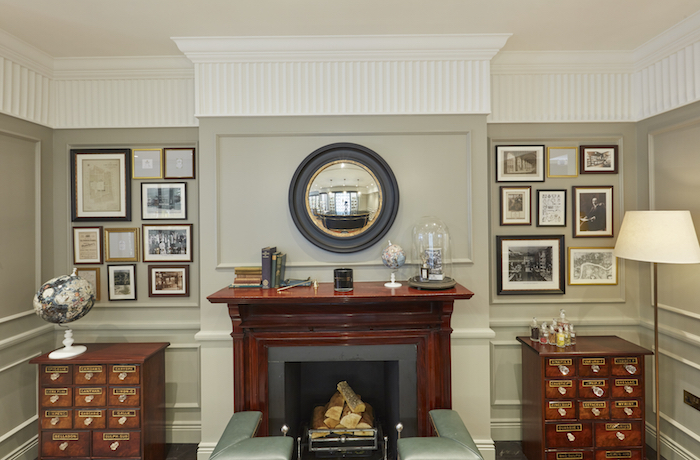
Instead of merely reproducing the same look in each store, Penhaligon’s work with the history and location of each building, making sure to reflect differing aspects and using unique materials and interior decor for every single one. And now, we’re delighted to take a sneak peek into their newly refurbished home in Covent Garden’s Wellington Street...
And you know, it really is just like walking into a home – albeit that of a fragrance fanatic! – with rich, gleaming wood floors, fixtures and finishes, and a supremely elegant style to the architecture. The space feels airy, yet with enough intimacy to ccomfortably explore the scents arrayed on the walls and a magnificent central display table.
We think there’s a Gerogian-meets-contemporary vibe to the whole store – clean lines preventing clutter, and allowing the eye (and nose) to rest on everything there is to explore. And with the ever-gowing range of family members in the Penhaligon’s fragrance wardrobe, you can be sure there’s something fo all tastes – from the more modern scents of recent years in the Portraits collection, right through to the vintage archival fragrances they made their name by, and have made British perfumery famous for generations.
Many Penhaligon’s store offer private Fragrance Profiling appointments, including Wellignton Street, where you will be asked a series of questions to match you to the perfect scent – a service they now offer online, too, for those not able to get to boutique – something many couples like to experience for their wedding fragrances, or to find a great gift for a loved one or mark a special occasion.
We love visiting perfumeries who make an effort to dress their spaces differently – gone are the days when everyone wanted idetikit, could-be-anywhere boutiques; and it’s always lovely to have a relaxed atmosphere to soak up the scents, don’t you agree?
Follow
By entering your email address you agree our blog partner (BlogLovin) sending you emails with our latest blog. You can always unsubscribe. We do not pass your information to anyone else. See our privacy policy.
Save your cart?
x
We save your email and cart so we can send you reminders - don't email me.