What are the world’s most precious (and costly) perfume ingredients? In the realm of fine fragrance, certain scented materials stand out not only for their exquisite aromas but also for their eye-watering price tags. These olfactory treasures, prized by perfumers for their unique characteristics, can elevate a scent from pleasant to extraordinary. Let’s embark on a fragrant journey through some of the world’s most precious (and therefore expensive) perfumery ingredients, exploring why they command such astronomical prices and what they bring to the olfactory palette…
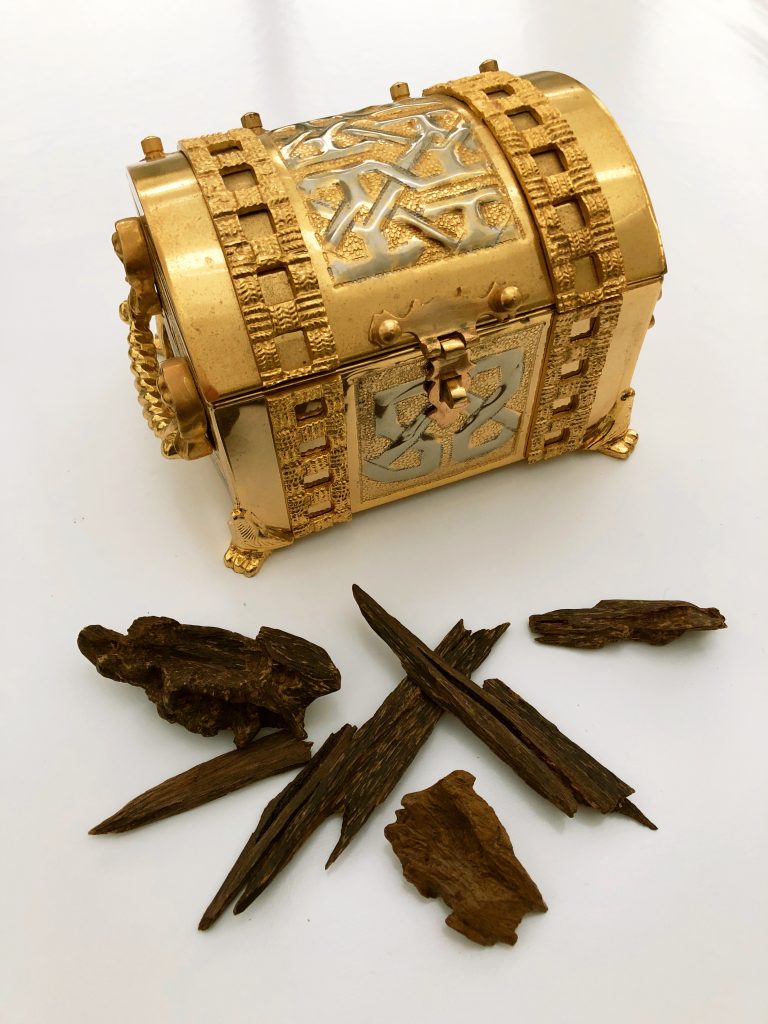
Oudh: The ‘Black Gold’ of Perfumery
At the pinnacle of precious ingredients sits oudh, (frequently also spelled ‘oud’), often referred to as ‘liquid gold’ or ‘black gold’ in the perfume world
This resinous wood, harvested from the Aquilaria tree, can fetch up to £20,000 per kilogram. But why is it so dear? The answer lies in its rarity and the time-consuming process of its formation. Oudh develops when the Aquilaria tree becomes infected with a particular type of mould. This infection causes the tree to produce a dark, fragrant resin as a defence mechanism. However, this occurs in only about 2% of wild Aquilaria trees, making natural oud incredibly scarce. Perfumers prize oudh for its complex, woody aroma with hints of leather and smoke. It adds depth and longevity to fragrances, creating an air of mystery and opulence. The scent of oud is often described as warm, rich, and slightly animalic, with a touch of sweetness that develops over time.
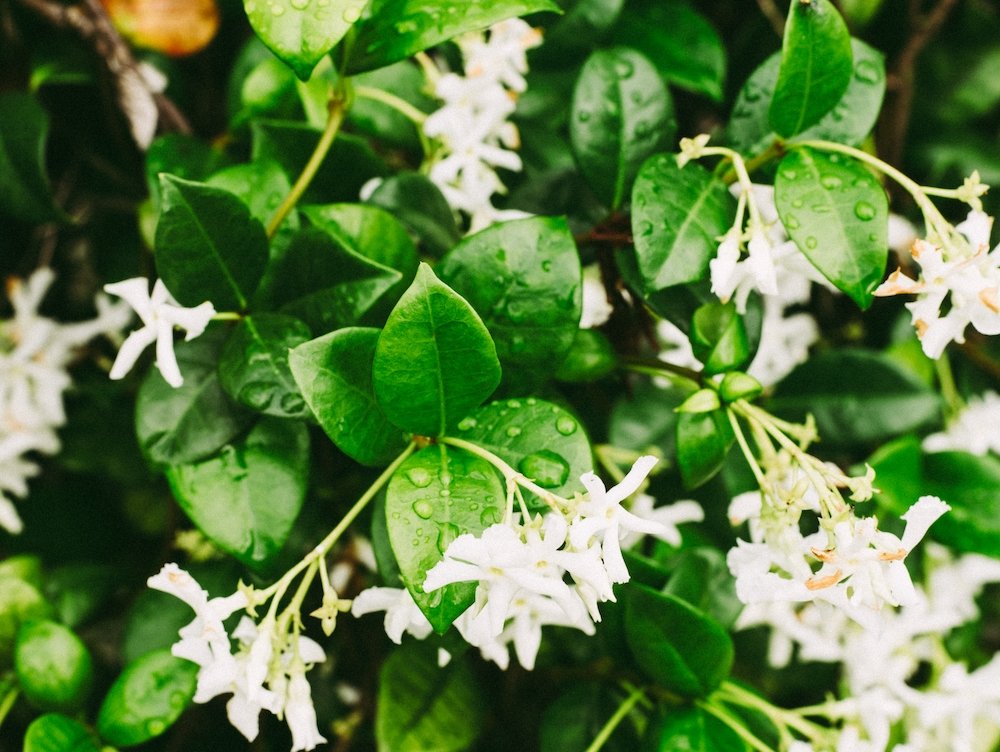
Jasmine: The ‘Queen of the Night’
Jasmine, often called the ‘queen of the night’, is another extraordinarily expensive ingredient, with prices for this precious material reaching up to £5,000 per kilogram for the highest quality absolute.
The reason for its hefty price tag? The sheer volume of flowers required and the labour-intensive harvesting process. It takes approximately 8,000 jasmine flowers to produce a mere 1/25 ounce of absolute oil. The delicate blossoms must be hand-picked at night when their scent is most potent, and they need to be processed immediately to preserve their fragrance. Perfumers adore jasmine for its intoxicating, sweet floral scent with subtle green and fruity undertones. It adds a rich, sensual quality to fragrances and is often used as a heart note. The aroma of jasmine is complex, with facets of honey, tea, and even a slight animalic quality that adds depth to compositions.

Bulgarian Rose: The ‘Queen of Flowers’
Rose, particularly Bulgarian rose, is another costly ingredient, with prices hovering around £7,000 per kilogram. The expense comes from the labour-intensive harvesting process and the vast quantity of petals required, and because it takes a staggering 10,000 pounds of rose petals to distil just one pound of rose oil.
The flowers must be hand-picked at dawn when their oil content is highest, and the entire harvest must be completed within a few short weeks. Perfumers treasure rose for its versatility and complexity. Bulgarian rose oil has a deep, rich floral scent with honey-like sweetness and subtle spicy undertones. It adds a luxurious, romantic quality to fragrances and blends beautifully with a wide range of other notes.

Orris: The ‘Truffle of Perfumery’
Orris, derived from the roots of the iris flower, is often called the ‘truffle of perfumery’ due to its rarity and cost, which can reach up to £75,000 per kilogram. The astronomical price is due to the lengthy production process.
After harvesting, the iris roots must be peeled by hand and left to dry for about three years. During this time, the roots develop their characteristic scent – only then can they be ground into powder or distilled into an essential oil. Perfumers value orris for its unique, powdery floral scent with woody and violet-like undertones. It adds a soft, elegant touch to fragrances and acts as an excellent fixative, helping to extend the life of other notes in a composition.

Ambergris: The Ocean’s Treasure
Perhaps the most intriguing of all expensive perfume ingredients is ambergris, which can cost up to £35,000 per kilogram. This waxy substance is produced in the digestive system of sperm whales and is occasionally found washed up on beaches.
The rarity of ambergris and the ethical concerns surrounding its use have made it one of the most valuable ingredients in perfumery. Synthetic alternatives are now widely used, but natural ambergris remains highly prized for its unique properties. Perfumers cherish ambergris for its ability to fix and enhance other scents. It has a complex aroma that’s often described as marine, animalic, and sweet, with hints of tobacco. Ambergris adds depth, radiance, and longevity to fragrances, making them smell more rounded and sophisticated.
These precious ingredients represent the pinnacle of natural perfumery. Their rarity, the labour-intensive processes involved in their production, and their unique olfactory properties justify their astronomical prices. While synthetic alternatives exist for many of these ingredients, true connoisseurs argue that nothing can quite replicate the complexity and depth of the natural materials – though many noses would counter that the best modern fragrances use both high-quality naturals and synthetic aroma molecules, which can add even greater nuance and longevity to those treasured (and hugely expensive) naturally-produced ingredients.
In the end, while we adore perfumes across all price points—from the accessible to the utterly extravagant—there’s something truly enchanting about those rare ingredients that make us stop and appreciate the artistry behind them. Sometimes, it feels like we can practically smell the pound signs in these exquisite fragrances, reminding us that in the world of scent, luxury has its own unique allure. So, whether you’re indulging in a high-end masterpiece or a delightful everyday spritz, every scent can tell a story worth exploring.
Written by Suzy Nightingale