Patchouli is definitely the ‘Marmite’ of the fragrance world – dividing opinion with a ferocity that only an olfactive ingredient can inspire. The mere mention of patchouli on a perfume note list is enough to send some scurrying for cover, haunted perhaps by memories of the swinging sixties – a time when patchouli oil was worn with, well, wild abandon! Its earthy intensity a badge of bohemian spirit. Yet, to dismiss patchouli outright is to overlook its true nature: a frilly-leafed, purple-flowered member of the mint family, Pogostemon patchouli, which yields an essence so rich and complex it remains, many noses agree, unmatched among natural botanicals in its importance to perfumery.
Though patchouli conjures images of incense-filled rooms and paisley shawls layered with its leaves to protect against marauding moths, it slips quietly into the most refined fragrances, lending depth and longevity – especially when paired with rose, for example, extending its sweetness in a way few notes can.
Fascinatingly, the name ‘patchouli’ derives from ancient Tamil, meaning simply ‘green leaf’, a testament to its heritage from India, Malaysia, and Indonesia. The very finest oil is harvested from the upper layers of the plant, fermented and distilled with meticulous care, and can linger for months from a single drop on a blotter. This mastery, reserved for the most discerning noses, is vital – for patchouli in clumsy hands can overwhelm, yet in the hands of a true artist, inspires lifelong devotion.
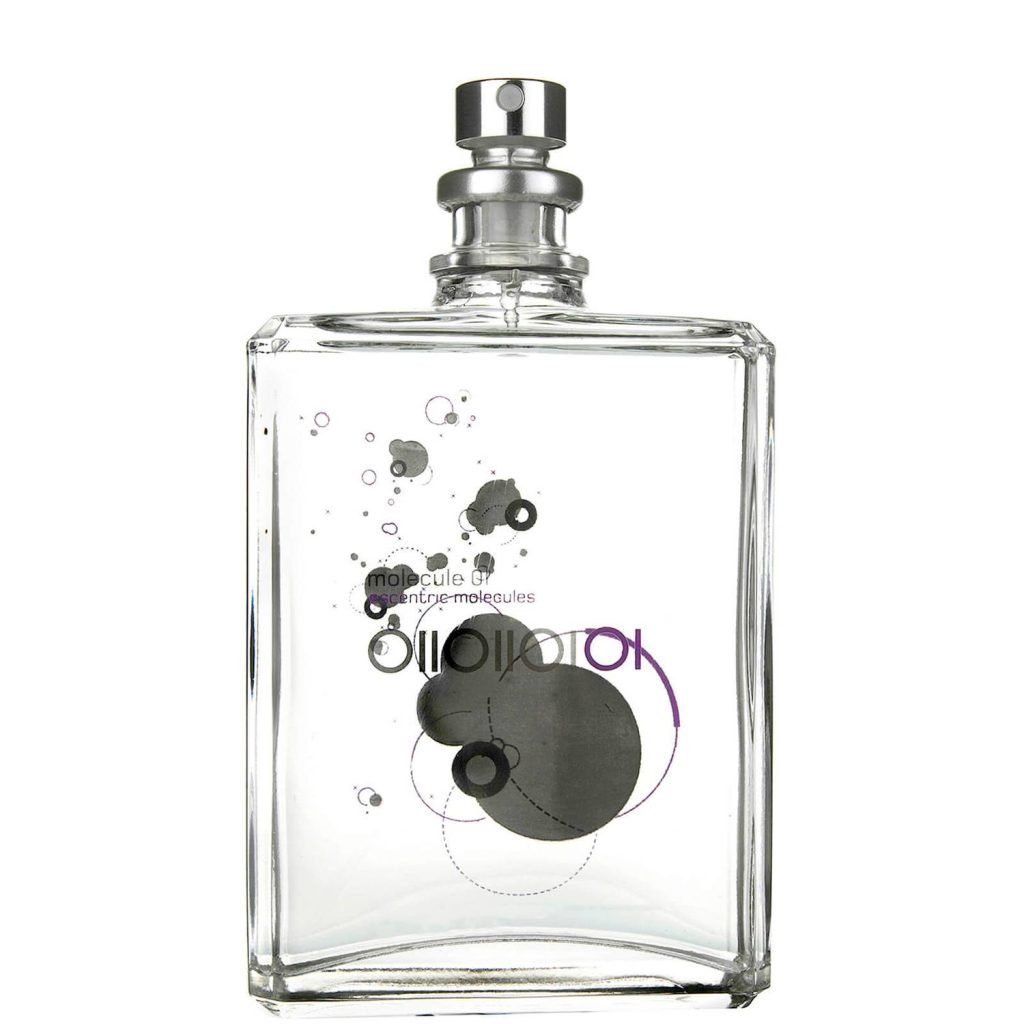
Patchouli’s contemporary rehabilitation became truly evident than in Escentric Molecules’ M+ Patchouli, dreamed up by the ever-restless talent of Geza Schöen. Known for revolutionising perfumery with Molecule 01 – a single synthetic note, Iso E Super, which envelops the wearer in a soft, woody-musk cocoon – he saw patchouli not as a relic to be tamed, but as a partner in olfactive innovation.
As Geza says… ‘Molecule 01 is an exceptional molecule: radiant, velvety, cocooning. It’s mysteriously effective on its own, but I started to wonder if there might be another way to play with it. What if I could take the molecule and add just one other beautiful ingredient and see how they danced together in the bottle?’
What follows is a genre-shifting duet: ‘Patchouli is a unique natural. Unlike 99% of perfume ingredients, we associate it with a particular period, with the sixties and seventies and that bohemian spirit. It has a cool, rather aloof woodiness to it. I love it for its moody beauty.’
The composition features two distinct qualities, he told us; explaining that ‘The biggest chunk is Patchouli Coeur, which is a very clean, soft patchouli oil fraction with the camphor-like top note removed. I have also included a patchouli oil from Indonesia to round it out with a little bit of a top note. The result is a sophisticated, clean patchouli that pairs fantastically well with Molecule 01.’
Suddenly, those who once loathed patchouli found themselves beguiled, perhaps even passionate converts! Have you joined the fragrant throng of fans yet?
Escentric Molecules M+ Patchouli£95 for 100ml eau de parfumin the Shop
For those wishing to delve deeper, Patchouli by NEZ / LMR is an ideal companion, and merits lingering over more than a single sitting. This elegant volume – part of a celebrated series of ‘naturals notebooks’ – explores patchouli through the lens of botany, history, agriculture, chemistry, and the creative imagination of perfumers. The book generously balances technical analysis with charming anecdotes, charts, and behind-the-scenes glimpses into distillation techniques, making it as enjoyable for casual perfume lovers as for committed ingredient nerds. With quotes from passionate perfumers, such as Bruno Jovanovic’s declaration, “…if magic had a scent, it would smell of patchouli!”, readers discover the alchemy that transforms this polarising material into a cornerstone of chypre and ambrée families or, indeed, a flagship for modern fragrance houses.
Offering an illuminating olfactive journey from patchouli’s association with scandal and flower power to its enthronement as a keystone of today’s sophisticated compositions. Historical timelines, reviews of iconic fragrances worth seeking out, and lively prose ensure that every visit between its covers leaves one a little better informed, and rather more in love with patchouli’s myriad guises. The book invites the reader to dip in and out at leisure or to deep dive when inspiration strikes and stands as a rich source for those keen to reimagine what patchouli can mean.
Patchouli by NEZ / LMR, published by NEZ éditions£17shymimosa.co.uk
Patchouli remains a polarising force, of course; but these days, with such an array of modern interpretations, misinterpretation has given way to appreciation, even awe. Perfume lovers need only open their minds and, perhaps, their nostrils to discover what we patchouli-heads have been delighting in for decades!
Lavender is currently enjoying a slow, scented renaissance, captivating both perfumers and fragrance lovers with its timeless charm. Once perhaps considered ‘old-fashioned’, this aromatic herb is now being reimagined in dazzling new ways, its versatility lending itself to both modern and nostalgic compositions.
Perfumers are drawn to lavender’s unique ability to evoke calm, clarity, and a sense of place – whether conjuring sun-drenched fields or the powdery elegance of vintage glamour. Its aromatic complexity, ranging from green and herbal to sweet and floral, makes it a perennially perfumed favourite for those seeking both comfort and sophistication in scent.
In addition to the five differing takes on lavender’s loveliness we suggest below, do also scroll down to see some of the various lavender farms we recommend visiting for lavender lovers to truly get a sense of this important perfumery ingredient, and to see it growing in its natural habitat for a fragrant summer fix that shouldn’t be missed…
Thameen Centre Stage
A dazzling interpretation of a classic note, this fragrance transports the senses to the glamour of 1920s cabaret. The opening is a lively pop of aromatic freshness, blending the star ingredient with cardamom and petitgrain, reminiscent of a celebratory toast. The heart reveals a lush, powdery bouquet of orris, orange blossom, and jasmine, evoking the shimmer of silk and spotlight. As the scent settles, amberwood, styrax, and animalic nuances create a seductive, lingering finale, inviting the wearer to embrace their inner star and bask in the limelight.
A beloved creation returns, now reimagined as a genderless, infinitely desirable edition. The composition weaves together the signature note with orange blossom and ylang ylang, creating a fragrance that feels intimately fused with the wearer’s identity. As the scent warms on the skin, it becomes a seamless extension of self, radiating both freshness and sensuality. The blend is technically precise yet emotionally resonant, offering a modern take on a classic accord that lingers long after application, leaving a trail of understated elegance and quiet confidence.
A quintessentially British fragrance, this elegant composition opens with a green, hay-like sweetness, enhanced by fresh leaves for a crisp introduction. The heart is infused with neroli and clary sage, while geranium adds a gentle floral lift. As the scent dries down, sandalwood and tonka bean provide a smooth, comforting base, enveloping the wearer in a soft, soothing embrace. The result is a timeless scent that balances tradition with modern refinement, perfect for those who appreciate understated beauty and the enduring appeal of a classic English garden.
A masterful distillation of memory and place, this fragrance showcases hand-harvested Scottish lavender alongside beeswax, fennel, apple, and honey. The composition evokes the comforting haze of sun-warmed fields and the nostalgic aroma of old books and ink, blending rural childhood memories with urban sophistication. Neroli, hyacinth, and patchouli add depth, while Morocco leather and oak lend a grounding, reflective quality. Crafted for contemplation, the scent is both solitary and inviting, offering a unique olfactory journey that celebrates the beauty of sustainably sourced, biodynamic ingredients.
Celebrating a century of Portuguese elegance, this cologne extraordinaire opens with a bright citrus overture before revealing a symphony of lavender, orris, violet at its heart. The blend creates a vintage-inspired softness, reminiscent of cherished memories and the comforting scent of a well-loved handbag. Vetiver, musk, and cedarwood provide a gentle, lingering base, while the packaging exudes a distinctively Portuguese charm. Affordable yet luxurious, this fragrance offers a harmonious balance of freshness and powdery sophistication, perfect for those seeking a touch of nostalgia with a modern twist.
Lavender lovers seeking to immerse themselves in the beauty of this iconic bloom can visit some of the UK’s most enchanting lavender farms. Each one offers a unique way to experience the magic of lavender at its most stunningly fragrant, and we highly recommend booking a trip to breathe in the beauty for yourself!
Cotswold Lavender, near Snowshill in Worcestershire, welcomes visitors right now, up until early August, with sweeping purple fields, a wildflower meadow, a distillery where essential oils are produced, and a charming farm shop. cotswoldlavender.co.uk
Mayfield Lavender in Banstead, Surrey, opens its 25-acre organic fields from now until mid-August, offering tractor rides, a café serving lavender cream teas, and a plant nursery. mayfieldlavender.com
Castle Farm in Shoreham, Kent, the UK’s largest lavender farm, hosts guided tours, distillery visits, and BYO picnics among the blooms available now until late July, with a year-round farm shop. castlefarmkent.co.uk
Yorkshire Lavender, set in the Vale of York, features award-winning gardens, a lavender maze, a sculpture park, and a tearoom, with peak bloom due from now until early August. yorkshirelavender.com
Every era has its defining moment – that cultural watershed that not only captures the zeitgeist but creates something truly timeless. In the world of perfumery, that moment arrived in 1882 when Paul Parquet of Houbigant answered the eternal question “What should a man smell like?” with a revolutionary response: a fern.
Okay, sure.
But what IS a ‘fougère’ fragrance, and why are these scents now for everyone, not just aimed at men? Let’s explore…
The Birth of an Olfactory Legend
But what exactly is a fougère? Pronounced “foo-jair” (with the ‘f’ slightly softened, almost “foo-shair”), this French word meaning “fern-like” represents perhaps the most influential fragrance family in modern perfumery. The irony? Ferns themselves possess virtually no scent at all.
Parquet’s stroke of genius was to completely invent what a fern should smell like—a work of pure olfactory fiction that would change perfumery forever. His creation, Fougère Royale, was the first fragrance to prominently feature coumarin, a synthetic material derived from tonka beans, alongside bergamot, oakmoss and geranium. This groundbreaking composition established not just a new scent but an entire fragrance category that continues to flourish today.
And what became of Houbigant, the house that started it all? After filing for bankruptcy in 1993, the magnificent Fougère Royale was greatly altered and finally discontinued. But in 2010, the wealthy Perris family rescued and restored Houbigant, commissioning fragrance impresario Roja Dove to work with perfumer Rodrigo Flores Roux to reinterpret the formula for modern tastes. The result? A sprig of herbs carefully tucked into the lapel of a herringbone jacket, the olive from a dry Martini sucked in a slightly lascivious manner while they’re all looking the other way.
The Alchemical Accord
What gives a fougère its distinctive character? At its heart lies a masterful balancing act between three key elements:
– The Aromatic Crown: Lavender provides the signature fresh, herbaceous top notes that create immediate recognition.
– The Warm Heart: Coumarin delivers a complex, layered warmth reminiscent of sweet hay drying in sunshine, a fizzy drink sipped on newly-mown grass, or perhaps a fine cigar fresh from the humidor.
The Earthy Base: Oakmoss anchors the composition with its deep, forest-floor richness, often complemented by other woody notes.
This trinity creates something greater than the sum of its parts – a magical realism that transforms individual ingredients into something we think we already recognise, sparking memories we didn’t know we had.
From Gentleman’s Club to Modern Masterpiece
Traditionally described as “masculine,” “refined,” and “traditional,” the fougère has evolved dramatically over the decades. While historically considered exclusively for men, many women have long enjoyed its laconic delights. Guerlain’s Jicky (1889) – widely acknowledged as the first modern perfume – is a fougère that amplifies crisp lavender with sweet flourishes, proving the family’s versatility.
The 1970s and 80s saw fougères dominate men’s fragrances with powerhouse classics like Yves Saint Laurent’s Kouros – freshly-scrubbed yet unable to hide its animal instincts – and Azzaro Pour Homme, which transitions from manly back-slaps to brooding Byronic poetry with remarkable ease.
The Modern Renaissance
Today, the fougère is enjoying a magnificent renaissance. Mugler’s Fougère Furieuse intensifies the feminine floral facets of the traditional structure, playing with gender codes by borrowing elements from the male wardrobe only to transform them into something daringly outrageous.
Tom Ford’s Fougère d’Argent merges impeccable decorum with provocative vision, blending mandarin and ginger with two types of French lavender, creating something both traditional and thoroughly modern.
Penhaligon’s Sartorial evokes honey-laden crumpets eaten with lip-smacking gusto, butter dripping on leather boots burnished with beeswax – what The Laughing Cavalier would surely wear today.
As part of our Luxurious Fragrances Discovery Box, you can try a sample of Lacoste Original, which brilliantly balances tradition and innovation in the fougère family. It opens with a vibrant burst of pink pepper and bergamot before revealing its true character—a crisp, aromatic heart of lavender and clary sage that perfectly evokes freshly-pressed polo shirts. The sophisticated dry down of patchouli and sandalwood provides depth without heaviness. This is a fragrance that respects its heritage while feeling thoroughly contemporary—understated elegance in a bottle that, like the brand’s iconic shirts, transitions effortlessly from sporting pursuits to everyday sophistication. A modern classic that proves the enduring appeal of a well-crafted fougère.
The Enduring Appeal
As we look to the future, the fougère family continues to evolve. Once dismissed as old-fashioned, these scents are becoming more addictive, sensual and crucially, more gender-neutral. The leaves of the fern look set to unfurl for some time to come, proving that sometimes the most enduring classics can change with the times and keep us intrigued…
Whether you’re drawn to the heritage classics or their modern interpretations, exploring the fougère family offers a journey through perfume history itself – one forest-y, bracken-y, beguilingly scented spritz at a time.
Spring is a time of renewal, of fresh beginnings and blossoming possibilities. But not all floral fragrances are created equal, and some take us on journeys far beyond the expected garden path. Here are five extraordinary scents that reimagine what a spring floral can be, each one challenging our perceptions and delighting our senses in the most unexpected ways…
4160 Tuesdays Tokyo Spring Blossom
Imagine standing in a parallel universe where cherry blossoms whisper secrets carried on ethereal winds. Tokyo Spring Blossom exists in this liminal space, neither here nor there, but somehow everywhere at once. It begins with a cascade of citrus notes dancing like sunlight through branches, before revealing its true character: a powdery violet and rose heart that feels both nostalgic and utterly contemporary. As time passes, the fragrance transforms into something altogether more mysterious – a smooth, resinous embrace of tolu, opoponax and benzoin that grounds the floral lightness with earthy wisdom. This is more than just a delightfully unique spring floral scent, it’s a philosophical question bottled – a scent that demands contemplation as it shifts between familiarity and strangeness, between the natural world and artistic interpretation. Sarah McCartney’s creation exists in that magical space where chemistry becomes poetry, where synthetic notes paradoxically create something that feels more authentic than nature itself.
The bottle alone – soft pink, sensually curved – hints at the transformation within. Lifeboost Love reimagines the spring floral as a self-care ritual, a daily affirmation bottled in liquid form. The initial encounter brings a burst of crimson berries and cherries, their juices running wild amongst torn green leaves: vibrant, alive, and utterly mouthwatering. This fruity overture gradually melts into a heart that pulses with deep emotion – velvety rose petals unfurl alongside heady tuberose and jasmine, their white petals steaming with intensity. What elevates this beyond a simple floral is the creamy almond oil that weaves throughout, transforming the composition into something akin to a fragrant elixir brewed by a modern alchemist. The result is not merely full of the romance of spring but soul-elevating – a scent that celebrates love in all its forms, beginning with the most important relationship of all: the one we have with ourselves.
Bukhara doesn’t simply evoke spring flowers – it transports you along the ancient Silk Road, where cultures and scents intermingled in a grand olfactory exchange. The journey begins with succulent peach and blackcurrant, their sweet juiciness creating a mirage-like oasis in the desert of everyday life. As you travel deeper into the fragrance, a triumvirate of white flowers emerges – tuberose, jasmine, and orange blossom—their voices harmonising in perfect pitch, carried on warm, arid winds that speak of distant lands and exotic promises. The dry-down reveals the true treasure at the end of this aromatic expedition: sumptuous woods and vanilla create a foundation of quiet luxury, while a whisper of oudh adds an element of mystery that lingers like a half-remembered dream. This is no ordinary floral—it’s an olfactory tapestry woven with threads of history, geography and imagination.
The Brazilian rainforest meets classical perfumery in this exuberant creation from Givaudan perfumer Leandro Petit. Flora Magnifica pulses with the vibrant energy of South American biodiversity, reimagining spring flowers through a tropical lens. Traditional floral notes—rose, magnolia, and jasmine—are transformed by their proximity to exotic coconut blossom, creating an unexpected alliance that feels both familiar and thrillingly new. Juicy nectarine adds a succulent dimension, its sweetness tempered by the sophisticated embrace of musk and creamy sandalwood. The result is a fragrance that seems to shimmer with sunlight filtered through dense jungle canopy – at once verdant and bright, soft and assertive. Like the samba that inspired it, Flora Magnifica moves with a rhythm all its own, bringing the carnival spirit to the often-predictable world of floral fragrances.
Who better to inspire a subversive take on spring florals than literature’s most famous dandy? Floris Wilde pays homage to Oscar Wilde’s legendary wit and style with a composition that defies convention at every turn. The opening salvo of citrus blossom and bergamot feels deceptively traditional—a gentleman’s cologne from a bygone era… but this is merely setting the stage for what follows. The heart reveals the fragrance’s true character: a specially created green carnation accord (Wilde’s signature buttonhole flower) intertwined with spicy ginger and white jasmine. This unexpected combination struts and preens with all the confidence of its namesake, challenging preconceptions about what a floral scent can be. As it settles, notes of sandalwood, benzoin and olibanum create a sophisticated foundation worthy of Wilde himself—intellectual, complex, and utterly compelling. This is not a fragrance for wallflowers, but rather for those who, like Wilde, understand that being natural is simply not dramatic enough.
We think January is the perfect moment to take a step back and reflect on the scents that have truly shaped the perfume landscape. Previously this month, we’ve looked at the some of the ultimate classics your nose should know; and now we’re continuing that theme by delving into some other true ‘modern classics’ of twentieth century olfaction – all of these composed in the earlier 2000’s.
These scents were revolutionary in their own way and really changed the scented scene, laying the groundwork for so many others who followed their lead. They are all, without a doubt, must-sniffs for any serious perfume enthusiast. Yet, paradoxically, because they are so well known (by name, even if you’d not actually gotten around to smelling them yet), it’s all too easy to overlook their importance in fragrance history. But we at The Perfume Society feel certain that these are scents that will still be talked about in 100 years’ time, referenced in perfume history books, and fondly remembered by people who perhaps by then associate them with what their parents or grandparents wore, and now wear themselves for the nostalgia. It’s a funny thought, because to many of us they still feel new, in a way!
These fragrances have not only captured the zeitgeist of their time but have also managed to remain relevant and coveted years after their initial release. They’ve inspired countless imitators, sparked new trends, and in some cases, even created entirely new categories within the fragrance industry. Their influence extends far beyond their own bottles, seeping into the very fabric of how we think about and experience perfume.
We believe that every perfume lover should have tried these fragrances and added at least one to their collection. They represent not just beautiful scents, but pivotal moments in perfume history. They are the benchmarks against which new releases are measured, the scents that have defined and continue to define what modern perfumery can be.
So, before we are bombarded by all the exciting new launches to come this year, why not take a moment for some fragrant reflection? Revisit these modern classics, or if you haven’t yet had the pleasure, seek them out. After all, to truly appreciate where we’re going in the world of fragrance, it’s essential to understand where we’ve been. And who knows? In sniffing these iconic scents, you might just discover a new love you’d overlooked or re-acquaint yourself with a treasure you’d forgotten.
Now, which of these modern classics would you add to your collection first, we wonder…?
In 2006, the fragrance world was turned on its head by a revolutionary concept: a perfume containing but a single, synthetic ingredient. Escentric Molecules Molecule 01, the brainchild of maverick perfumer Geza Schoen, was a bold departure from traditional perfumery that would go on to redefine the boundaries of scent. Schoen, with a mixture of daring and intuition, bottled pure Iso E Super, an aroma-molecule that had been quietly working its magic in the background of countless fragrances since the 1970s. Initially, he thought, ‘This one will appeal only to the artists, the freaks, the outsiders.’ How wonderfully wrong he was; the world went absolutely mad for it.
Molecule 01 quickly became a phenomenon, a cult classic that transcended the niche market and infiltrated popular culture. Its appeal lies in its simplicity and its complexity – a paradox that has captivated fragrance enthusiasts and casual wearers alike. The scent is often described as the olfactory equivalent of that warm, fuzzy comfort of nuzzling your lover’s neck, inspiring an insatiable desire for more. The genius of Molecule 01 lies not just in its composition, but in its performance. It has a marked intermittence, seeming to vanish and then reappear, tantalising the wearer and those around them. This isn’t just clever marketing; it’s a result of the molecule’s interaction with our olfactory receptors, creating a scent that is both ever-present and elusive.
Nearly two decades after its launch, Molecule 01 remains a modern classic, a testament to the power of innovation and simplicity in perfumery. It continues to fascinate and delight, proving that true originality in fragrance can stand the test of time.
At its heart, Portrait of a Lady is a study in seamlessly melded contrasts. It takes the classic note of Turkish rose and amplifies it to an unprecedented degree, surrounding it with a dark, smouldering blend of berries, patchouli, sandalwood, and frankincense. The result is a scent that is at once familiar and utterly unique, a rose transformed into something altogether more complex and intriguing.
What Ropion did to set Portrait of a Lady apart from other roses is grant it remarkable tenacity and sillage – an innate bravery. This is a fragrance that announces itself with confidence, leaving a trail that lingers long after the wearer has departed. It’s a scent that demands attention, yet never feels overpowering or brash. The name, inspired by Henry James’ novel, perfectly captures the essence of the fragrance. Like its literary namesake, Portrait of a Lady is sophisticated, multifaceted, and utterly captivating. It’s a scent that tells a story, evolving on the skin throughout the day to reveal new facets of its character.
First launched (incredibly!) in 2010, Portrait of a Lady is now celebrated in a 15th Anniversary Limited Edition red lacquered bottle; cementing its space in the scented hall of fame as it continues to enchant fragrance enthusiasts and newcomers alike. It has earned its place as a modern classic, a scent that will undoubtedly be remembered and revered for generations to come. In the world of niche perfumery, it stands as a shining example of how tradition and innovation can combine to create something truly extraordinary, and still exciting us to this day.
2010 was clearly having a moment, for this modern blockbuster was also launched that year, and singlehandedly responsible for the revolution of the modern fruity scent – particularly those classed as ‘masculine’ and mainly marketed at men. Having achieved near-mythic status in the fragrance world, and evolving from a luxury scent to a modern legend, this perfumed powerhouse redefined masculine elegance for the 21st century, creating a blueprint that countless fragrances have since sought to emulate.
At its core, Aventus is a bold symphony of contrasts. Juicy pineapple and blackcurrant burst forth with vibrant freshness, gradually deepening into a smoky, woody base of birch, musk, and oakmoss. This dynamic interplay creates a scent that feels both invigorating and commanding—a fragrance that wears its confidence effortlessly. What truly distinguishes Aventus is its cultural resonance. It sparked an unprecedented cult following, with enthusiasts obsessing over batch variations and hunting down coveted “vintage” formulations. This devotion transformed perfume appreciation into a passionate pursuit, creating communities united by shared olfactory obsession.
The fragrance’s remarkable longevity and sillage became its hallmark. Aventus doesn’t just linger – it announces itself with a fruity fanfare, leaving a trail for many hours. Yet for all its power, it maintains an air of poise, balancing raw energy with a more polished surface elegance. Over a decade since its debut, for many Aventus remains the gold standard for luxury fragrances, its influence permeating both niche and mainstream perfumery. It’s a cultural touchstone, a reference point for what ‘modern masculinity’ can smell like. As future generations rediscover its magnetic allure, Aventus will surely endure as a defining emblem of its era, forever etched in the annals of fragrance history.
Beginning life as a candle and creating an immediate lust, with such longing, it was re-introduced as a fine fragrance – thereby becoming a modern legend in the fragrance world, and transforming from what might have remained a niche scent to an olfactory icon. Created by perfumer Frank Voelkl, this fragrance has achieved a level of recognition and devotion that few scents can claim, reaching far beyond the world of fragrance lovers and known by those who could perhaps only name a handful of fragrances from any era.
At its heart, Santal 33 is a masterful reimagining of the classic sandalwood fragrance. It blends creamy Australian sandalwood with papyrus, cedarwood, cardamom, and a wispy hint of violet, creating a scent that is at once familiar and utterly unique. The result is a fragrance that manages to be both comforting and intriguing, with a distinctive leathery, smoky quality that sets it apart. The success of Santal 33 has been nothing short of remarkable. From its origins in Le Labo’s New York boutique, it has spread across the globe, becoming first a staple in the wardrobes of cool kids and tastemakers, then that distinctive sandalwood wafting far wider. Its distinctive scent has permeated popular culture, appearing in countless articles, social media posts, and even inspiring its own laundry detergent iterations.
Years after its release, Santal 33 continues to captivate and inspire new generations. It stands as a testament to the power of originality in perfumery, proving that a truly unique scent can transcend trends and become a modern classic. In the annals of fragrance history, Santal 33 will undoubtedly be remembered as one of the defining scents of its era.
Launched in 2015, this is a fragrance that has become nothing short of a cultural phenomenon, now seemingly scenting whole cities. Originally created to celebrate the 250th anniversary of the iconic crystal house Baccarat, this scent blended innovation with timeless sophistication and a hugely characterful (immediately recognisable) amber-laden base. At its core, Baccarat Rouge 540 balances ethereal lightness with a plungingly deep, resinous warmth, weaving together saffron, jasmine, ambergris, and cedarwood into a luminous composition. The result is a scent that feels both weightless and utterly enveloping, dazzling on the skin like sunlight refracted through fine crystal.
What makes Baccarat Rouge 540 truly remarkable is its ability to be simultaneously distinctive and mass appealing. Its signature sweet, almost candied quality, tempered by mineral and woody undertones, has an addictive allure that lingers in the air long (long!) after it’s applied. Its unmistakable sillage has become synonymous with modern luxury, inspiring countless admirers and blatant imitators. Yet, its brilliance lies in its originality – a scent so unique that it feels instantly recognisable yet impossible to fully define.
Baccarat Rouge 540 is more than just a perfume; it’s a statement piece that continues to captivate, inspire, and divide opinion. Years from now, it will undoubtedly be remembered as one of the defining fragrances of its era – a modern classic that has left an indelible mark on the world of scent (and likely in a lift near you!)
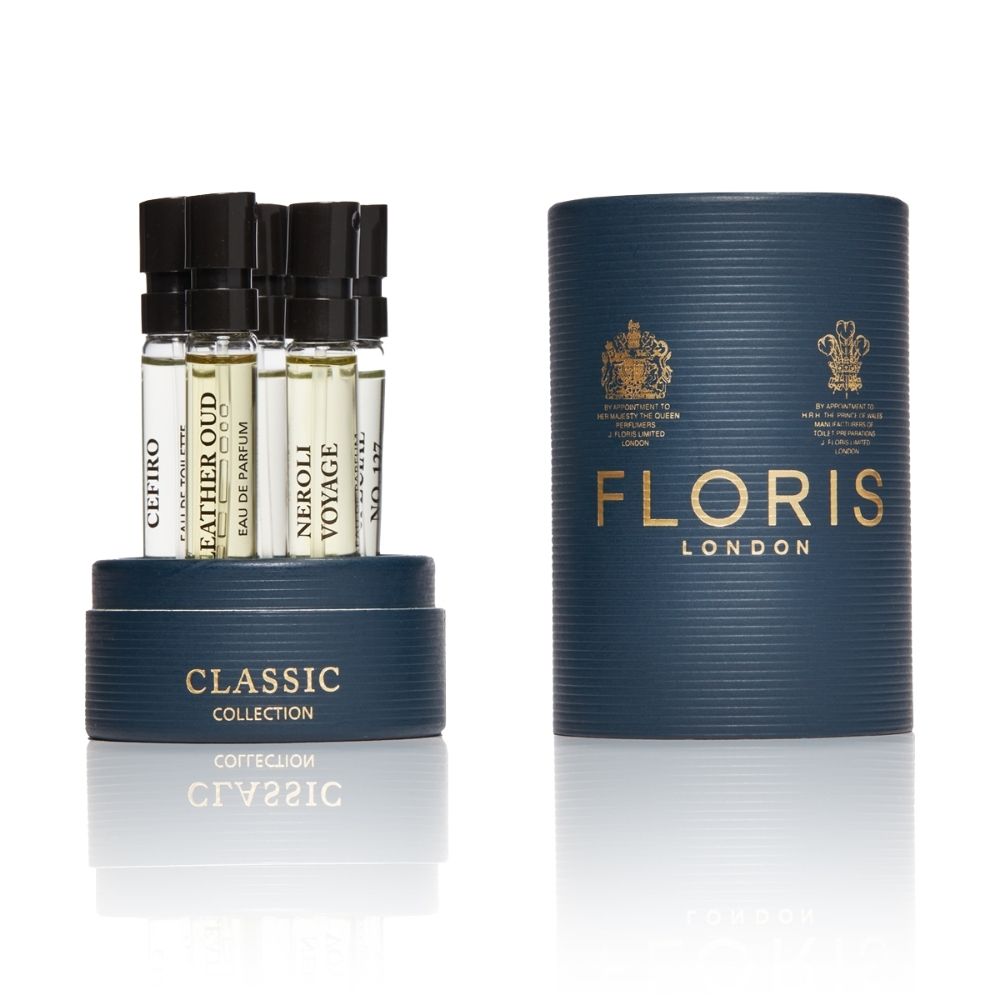
Floris have scented everyone from royalty, Florence Nightingale, prime ministers and even Marilyn Monroe, but now you can dip into their incredible history (and try some their more contemporary fragrances) in their beautifully curated Floris Discovery Collections…
The long-distinguished history of Floris first began in the dreams of one Juan Famenias Floris, who in 1730 sailed from his native Minorca to set up in London. Marrying an English girl, he settled in business as a barber on Jermyn Street within the fashionable St. James’s area, first making hair combs and then assuaging his homesickness by blending fragrant oils he’d transported from Europe. Customers soon took to ordering bespoke blends, all recorded in leather-bound ledgers, enabling Floris to re-create them should further supplies be required in the future – and thus a fragrant dynasty was born.
Many of those original ledgers, order forms and letters of thanks are still in existence, preserved by successive generations of the Floris family, and offering a uniquely fascinating glimpse of British fragrant taste through the ages. Their books boast orders from Admirals serving under Lord Nelson, Florence Nightingale, George IV, through to Winston Churchill. In 1820, Floris received the first of 16 Royal Warrants, the most recent being the title: Perfumers to HM The Queen Elizabeth II and Manufacturers of Toilet Preparations to HRH The Prince of Wales. (Now, of course, King Charles!)
And then there was Marilyn Monroe. The scent the world’s biggest sex-symbol always made sure to stock up on? In their extraordinary archive (some of which is on display in the rear of their Jermyn Street boutique), Floris happen to have an original form detailing Marilyn’s order for their surprisingly unisex and greenly fresh Rose Geranium. Indeed, she loved it so much she requested SIX bottles at a time be delivered to her in Beverley Hills! (NB: A far more contemporary rose is their fragrance A Rose For… in The Private Collection – an intriguingly smoky gossamer embrace).
The original Floris shop still stands on Jermyn Street. (A couple of generations ago, fragrances were actually manufactured two floors below street level, in a basement known as ‘the mine’.) Now beautifully refurbished, the boutique many other intriguing artefacts to discover on display, along with a wide wardrobe of perfumes to explore. Edward Bodenham – an ancestor of Juan Famenias Floris himself – is the current Perfumery Director at Floris, with fragrance clearly in his blood.
As he explains: ‘I feel immensely proud to be part of the family business and to have the opportunity to help introduce our perfume house to a new generation. I have such fond memories of visiting the shop from a young age, and it is very nostalgic for me to be around the fragrances that I have grown up with my whole life. They really are like old friends to me.’
No matter how fascinating or notable their past, however, no perfume house could merely trade off their history. So as Edward notes – and more recent creations like sun-drenched Neroli Voyage in the Classic Collection and utterly addictive Honey Oud in Private Collection, prove – Floris are ‘always evolving. We have to be experimental and explorative when working on new fragrances – in just the same way my forefathers were in their day.’ Adding: ‘I hope that they would be proud of our creations today.’
A budding trend for wearable, contemporary, even edgy rose scents has turned into a full-bloomed renaissance. Suddenly, rose scents are blooming everywhere, (along with our own late-blooming rose bushes here in the U.K. thanks to the washed-out, dreary Spring!)
Here, we celebrate some of our favourite modern takes on the ‘Queen of the flower’ fragrances…
Not very long ago at all, if you had a sneaking love of rose perfumes, chances are you might keep pretty schtum about it. Despite rose appearing in the construction of the vast majority of perfumes – a pillar, around which other fragrance ingredients entwine – in perfumistas circles, overtly ‘rose perfumes’ were perceived by many as a bit dusty, a bit boring, somewhat outdated, and best relegated to scented drawer-liners and grandma’s dressing table.
Indeed, James Craven, fragrance expert, and one-time archivist for London’s first niche perfumery, Les Senteurs, recalls that many customers who came searching for a new scent would begin their consultation by pronouncing, definitively: ‘Nothing with rose in it’. Customers had a preconceived idea of how a rose scent would smell, he says. But undeterred, and indeed without telling the customer what they were sniffing, James would nevertheless proceed to show them a fragrance with rose as a note.
‘Nine times out of 10, the rose scents would be the one they’d fall in love with,’ he says. (Though to be fair, it would have been pretty hard for him not to, since roses feature in at least 75% of modern feminine fragrances, and at least 10% of all men’s perfumes, too.)
Today, however, there is a serious rose resurgence in perfumery – and we aren’t talking ‘chorus line’ rose notes, but fragrances which put rose front and centre in the scented spotlight, in an utterly modern style. Roses don’t merely have to be seen as a ‘romantic’ scent style, now – or, of course, reserved for ‘feminine’ fragrances. We’re loving the more masculine takes, too.
One thing is perfectly clear – never have we seen so many new overtly rose-centric fragrances being re-embraced in such a flurry. The only problem you have is: which of these blooming rose scents will you seek out to try first…?
Chanel Les Eaux Paris – Paris
Recent recipient of The Fragrance Foundation Reader’s Choice Award, this dreamy rose scent pays homage to, ‘the vibrant and timeless Paris of Gabrielle Chanel; the authenticity of her character and the modernity of her soul.’ Sparkling with citrus and pink pepper, the Damask rose exudes an effervescent, contemporary kind of chic being so perfectly borne aloft on the radiance of those top notes.
A scorching interpretation of rose, in which smouldering leather tangos with rich Damask rose against a vibrantly glowing backdrop of patchouli, amber and warm waves of sensual oudh. Think of a summer party’s bonfire-smoke still clinging to your hair, pinpricks of starlight against a velvety sky and passionate kisses which smoulder nearly as long as this will on your skin.
Fresh and floral, yes, but with a sultry undercurrent resonant in the burning embrace of the ambreé’s character (which slowly reveals itself as it settles on bare skin). A caress of bright bergamot, lemon and cedar leaf trembles to the bouquet buried within the heart: that coriander-speckled rose rippled with jasmine, lily of the valley, magnolia, orange flower, then dusted with orris before the seductively woody base takes hold.
Inspired by a small Turkish village famed the world over for its roses, perfumer Christian Provenzano coaxes baskets of the blooms to radiate in the hot sun. Steeped with spices, the nutmeg and oudh sweep in clouds across supple leather (and often, onto the streets, actually wafting from Penhaligon’s boutiques). That distinctive amber woodiness in the base has ensured its modern icon, smash-hit status never fades.
Talking of contemporary, perfumer Aurélien Guichard worked with cutting-edge neuroscience discoveries to create this almost jammy rose essence from Bulgaria that’s spiked with cool nutmeg, textured with labdanum’s supple, leather-like facets and another favourite partner of rose – patchouli essence from Indonesia. Edentiste suggests pairing with any of their ‘Lifeboost’ actives to ‘let your feelings rule…’
Roses are having such a fragrant resurgence: but why right now? Read on for our take on this rise (and rise) of rose perfumes we’ve seen launched lately – and our guide of which roses to wear right now…
There’s been a serious blooming of rose in perfumery the last couple of years – and we aren’t talking ‘chorus line’ rose notes, but fragrances which put rose front and centre in the scented spotlight, in an utterly modern style. Never have we seen so many new overtly rose-centric scents released in such a flurry, with Tom Ford and Jo Malone London launching whole collections of rose-themed perfumes, persuading us this is more than a passing fragrant fancy, and leading us to confidently declare: this is the Year of the Rose. Indeed, according to Google, rose is the most-searched fragrance ingredient in the past year, with over 50,000 searches each month.
There is, of course, an incredibly long tradition of using rose in perfumery – we’re talking millennia, not mere centuries. In his book Smell and the Ancient Senses (Ed. Mark Bradley, 2015), David Potter, the Collegiate Professor of Greek and Roman History at the University of Michigan, reminds us that by 116BC, ‘Roman aristocrats… were already treating roses as a cash crop.’ And you can read even more on the quite extraordinary history Romans had with the rose in our fragrant history section.
But meanwhile: why now this renewed desire for ultra-modern rose-powered perfumes?
Roses today in perfumery are a glorious quantum leap from those which gathered dust on dressing tables of old. In 2022, there is a rose fragrance for everyone, whether your leanings are towards easy-to-wear sun-filled scents or the more velvety, smoulderingly smoochy essences we’re reaching for now autumn’s here. And gender doesn’t come into it, either: many, many of the ‘new roses’ are gloriously shareable (we’re very glad to say!) and we urge all ages, all genders to dive into these particular rose perfumes with a fragrant abandon…
Molton Brown Rose Dunes EDP – Sultry desert air. £120 for 100ml eau de parfumMolton Brown
Atelier Materi Rose Ardoise – Urban petrichor pavements. £195 for 100ml eau de parfumHarvey Nichols
Manos Gerakinis Rose Poétique – Mysterious Sapphic jubilation. £165 for 100ml eau de parfumShy Mimosa
Parfums de Marly Delina La Rosée – Aristocratically powdered passion. £200 for 75ml eau de parfumSelfridges
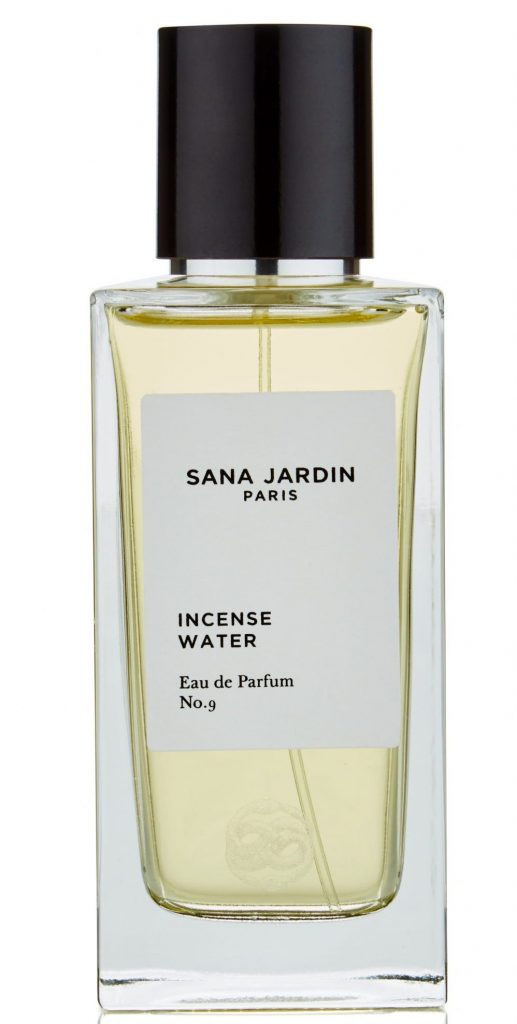
Sana Jardin Incense Water – Soothingly meditative meanderings. £95 for 50ml eau de parfumSana Jardin
INITIO Atomic Rose – Rambunctiously robust eruptions. £215 for 90ml eau de parfumFenwick
Narciso Rodriguez Musc Noir Rose for Her – Intimately addictive sensuality. £55 for 30ml eau de parfumThe Perfume Shop
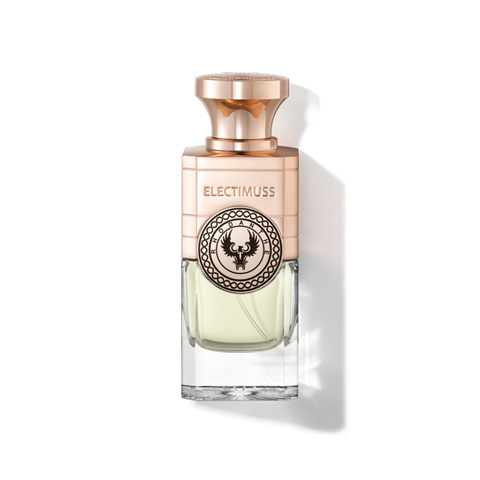
Electimuss Rhodanthe – Vibrantly voluptuous intoxication. £175 for 100ml extrait de parfumElectimuss
Parle Moi de Parfum Une Tonne de Roses / 8 – Frivolous olfactory festival. £98 for 50ml eau de parfumLes Senteurs
Coach Wild Rose – Daringly delicate gracefulness. £37 for 30ml eau de parfumEscentual
Obvious Une Rose – Sunshine-bathed captivation. £95 for 100ml eau de parfumFlannels
Moschino Toy Boy – Spicy leather shenanigans. £45 for 30ml eau de parfum Fragrance Direct
When science meets art, fireworks happen, and so it is in fragrance, with the question of ‘what should a man smell like?’ seemingly answered by perfumer Paul Parquet for Houbigant in 1882. The conclusion? A fern. Now, this once traditionally masculine smell is a hot topic in fragrances marketed to women or perceived as ‘gender fluid’, for those leafy ferns have come a long way…
The problem for Parquet was, ferns don’t exactly smell of anything much. His technological developments created a whole new fragrance family – fougère roughly translates to ‘fern-like’ – say it ‘foo-jair’, with the ‘j’ a little soft, almost ‘foo-shair’.
When you think of a fern, what smell comes to mind? Misty woodlands, verdant undergrowth still wet with morning dew, a sense of stillness and contemplation, leafy green shoots pushing their way through a forest floor? Whatever you imagine, that smell memory was originally encapsulated by Houbigant’s Fougère Royale – created in 1882 and much copied by those who clamoured to achieve a measure of its success.
Called the ‘greatest perfumer of his time’ by no less than Ernest Beaux, the creator of Chanel No. 5, Parquet can be said to have been the first perfumer to truly understand and appreciate the use of synthetic aroma materials in fragrance composition. First used as mere substitutes for naturally derived raw materials, Parquet saw a chance to use them as unique smells in their own right – alchemically poetic creations that sought not to mimic the natural world but to add to it – to improve on perfection. He was a fragrant revolutionary, and that revolution continues to this day.
So what did the traditional fougère consist of?Oak moss, geranium, bergamot, sometimes lavender and amber, and (most notably) synthetic coumarin form the main structure. But how many outside the industry would be able to describe coumarin’s smell?
Found in natural sources such as the toasted almond-esque tonka beans, the essential oils derived from cinnamon bark and the spicy cassia plant; coumarin cannot really said to be a sum of those parts. So what does it smell like?
Complexly layered, imagine the scent of sweet hay drying in the sunshine with a slight waft of warm horse; a cold glass of fizz sipped on newly mown grass, a fine cigar fresh from the humidor, even an unadulterated cookie dunked in warm milk – all of these things and not one in particular, truly something ‘other’ – the scientist’s hand working in harmony with the artful perfumer to amplify the magical realism in its synthetic form. The skill of the perfumer is to take these ingredients and transform them into something we think we already recognise – a swathe of leafy green ferns in a woodland setting, in this case – sparking scent memories and creating new ones to fill the gaps.
If you haven’t yet explored this fragrance family, now is the perfect time to begin. This in-between time of seasons, when we crave some freshness but still require depth and interest to the scents we choose, is ideal for seeking out something new to try, and that traditional structure has some interesting notes added for contemporary interest.
Here’s a selection of some more modern fougères – regardless of gender – to get your noses in touch with. Let your fragrant fougère journey begin…
Although classified as a leather (the clue’s in the name) MEMO actually describe this as ‘a frozen fougère’, and I wholeheartedly agree. It’s minus the oak moss (many moderns are) but features a whole host of frosted herbaceous greeness, with basil, rosemary, clary sage and mint amidst snow-covered drifts of ferns, pine needles, tonka bean and a deliciously dry, woody-leathered base.
Memo Paris Russian Leather £205 for 75ml eau de parfum harveynichols.com
In this 100% natural perfume, Simone de Beauvoir’s novel is brought to life; the lingering scent of a questioning glance that shakes your soul, warm as a cat curling bare legs, shivering as the fur tickles. A composition of contrasts, we have geranium, basil and lemon rubbing up against Indonesian clove and nutmeg; a sticky patchouli slinking into the cool dryness of vetiver, with a lick of amber rich labdanum nuzzling oak moss and cedar to finish
Timothy Han Edition Perfumes She Came to Stay £120 for 60ml eau de parfum timothyhanedition.com
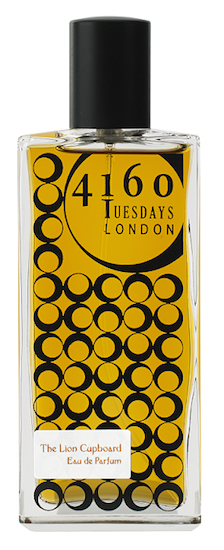
Reminiscent of rifling through a forgotten cove of personal treasures, leather-bound diaries reveal sketches of ferns and dried flowers pressed between the pages, bundles of love letters are tied in faded silk ribbons, a lipstick kiss on a foxed mirror, silk scarves with a mingled scent of powder and the faint tang of a gentleman’s Cologne. Mint, lavender, juniper berries and black pepper are swathed in layers of rose and ylang ylang; curls of tobacco expiring into vanilla and cocoa.
4160 Tuesdays The Lion Cupboard from £50 for 30ml eau de parfum 4160tuesdays.com
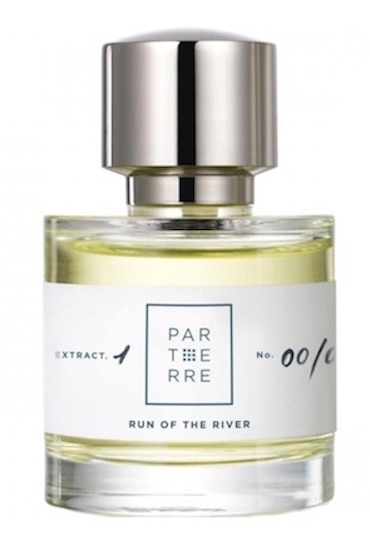
Inspired by the river that runs through the heart of Keyneston Mill, where this UK house uniquely grow and distil many of the ingredients they use; this is a bare-foot meander through clover-strewn lawns, a budding freshness in the air signifying Spring. Squeezes of lemon and lime shot through with bergamot, mint and lemon-thyme are layered on herbaceously dry clary sage and soft orange flower, as an aromatically dreamy wisp of incense encircles oak moss in the langourous base.
A bright young thing, in a gown too sheer to be decent, dances the night away at a discreetly riotous nightclub. Surrounded by velvet ropes, garlanded by blossoms, she sleeps until noon. Based on the traditional composition, it’s far from historic smelling – the geranium, oak moss, coumarin and bergamot are naughtily nudged in the ribs by a rather wanton orange blossom, given a shot of luminescent freshness with neroli and snuggled in a bosomy amber.
Mugler Fougère Furieuse £140 for 80ml eau de parfum harrods.com
Niche perfumery can sometimes fall in to the very tropes they so desperately try to avoid – highlighting expensive, natural ingredients and hiding, or at least not announcing, the incredible molecular technology (often just as expensive as raw ingredients) at play in the majority of perfumes we have been falling in love with since the early 19th Century. Part of the problem is the language involved – ‘synthetic’ just doesn’t sound sexy. But these clever molecules add depth, space and longevity to fragrance – ultimately, some being as complex and multi-faceted as several hundred ingredients mixed together at once. While of course the perfume industry still celebrates the multitude and quality of naturals, it’s vital – now, more than ever – to educate ourselves on, and stop being squeamish about, the modern methods of extracting and shaping these invisible bubbles of pleasure.
The just-launched Aether perfumes are unique – a wardrobe of fragrances dedicated to paying tribute to synthetic molecules – while showcasing their elegance, diversity and ability to convey distinct and intricate emotional messages through scent. Offering a new way to experience fragrance for we beings who so desperately cling to known and expected smells, the collection is an eye-opening (nostril-widening?) demonstration of how molecules are not something to hitch up your petticoats and stand on a chair (in the manner of a Tom & Jerry cartoon) in fear of. Far from it – these are scents we know somehow, emotionally, if not by name alone – could many people automatically bring to mind the smell of Cetalox or Oxane?
Under the creative guidance and artistic direction of Nicolas Chabot – perhaps best known for his rescuing and reinvigorating of the heritage house Le Galion – perfumers Amélie Borgeois and Anne-Sophie Behaghel have created five fragrances that break the boundaries of “known” smells, crafting ‘egoless perfumes, creative atmospheres where everything is delightfully extravagant, whimsical, playful…’
Aether say: ‘If each molecule has a rather distinctive smell, who could guess exactly what the smell of the aldehyde C12 or ISO E Super would be? Sometimes a shimmering bubble and sometimes dazzling beauty, the molecule – this almost nothing in infinity – is the sacred young muse of the collection. At ÆTHER, no flower-show or flight of lyricism around the historically traditional raw material; rather the evocation of metallic vegetation, unknown woods, imperceptible sounds, moments to come … These scents of imperial fancy do not envy the wake of others, but prefer a luminous halo, a magical ring, an aura of humor and mystery…’
Closing your eyes, forgetting what you think you know and allowing the fragrance and sensation to wash over you is the pleasure, here. And what pleasures there are in store…
Muskethanol: ‘A semblance of realism: a handful of golden sand poured in alcohol (damascenone) that starts to glow, as if by magic, a thousands sequins, a silver shimmer similar to the sea. The disturbing impression of sand that has been rendered almost abstract. A sand of steel, futuristic, perhaps from another world (cetalox, muscone).’
Ether Oxide: ‘Far away, very far away, you vaguely smell a beautiful fresh and contemporary wood; closer, there is strange “ether accord” (ethyl acetate), a sort of gentle steam, which approaches the skin like a breath of burning wood (ambroxan, ISO E Super). An emanation of love. “And if peace had a smell?” She asked me, a little worried. “It might be like this” I replied.’
Rose Alcane: ‘One could imagine it so textured, so vivid, so real (Rose Oxyde). Beautiful flower in a cowhide. A rose for girl and boys who do not love roses madly, but who do not hate to be surprised. Through beautiful floral mechanics, the miracle of alchemy transforms, right under your nose, a super fresh rosebud into a metallic flower.’
Citrus Ester: ‘One of those days that seems to stretch out forever, and you are not quite sure there is going to be a second. The moment quivers with energy. An energy ghost, bright (methyl grapefruit) and caring, tinged with a slight taste of primordial fruit (firascone, rhubafurane). Life, the beginnings of life.’
Carboneum: ‘The dreams of a child: the man in a diving suit resurfacing from the ocean wrung out by the waves, before being propelled into space by a magnetic force. A strange harmony representing neoprene (Benzoate Methyl, Sudéral, Timbérol)! One also smells the texture of foam, a little rough (Globanone). The next night it had the same dream.’
We admit we’re very excited by Aether and their unashamed celebration of molecular fragrance beauty – an art form, yes, but not for art’s sake alone: each of them are totally wearable (and sharable) by even the most molecularly-inexperienced fragrance lover.
Forget what your nose thinks it knows – about rose, or any other scent, and give in to curiosity…
Aether perfumes £140 for 100ml eau de parfum
Buy them at Liberty
Follow
By entering your email address you agree our blog partner (BlogLovin) sending you emails with our latest blog. You can always unsubscribe. We do not pass your information to anyone else. See our privacy policy.
Save your cart?
x
We save your email and cart so we can send you reminders - don't email me.











 Called the ‘greatest perfumer of his time’ by no less than Ernest Beaux, the creator of Chanel No. 5, Parquet can be said to have been the first perfumer to truly understand and appreciate the use of synthetic aroma materials in fragrance composition. First used as mere substitutes for naturally derived raw materials, Parquet saw a chance to use them as unique smells in their own right – alchemically poetic creations that sought not to mimic the natural world but to add to it – to improve on perfection. He was a fragrant revolutionary, and that revolution continues to this day.


 Inspired by the river that runs through the heart of Keyneston Mill, where this UK house uniquely grow and distil many of the ingredients they use; this is a bare-foot meander through clover-strewn lawns, a budding freshness in the air signifying Spring. Squeezes of lemon and lime shot through with bergamot, mint and lemon-thyme are layered on herbaceously dry clary sage and soft orange flower, as an aromatically dreamy wisp of incense encircles oak moss in the langourous base.