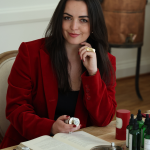
Nathalie Lorson’s fragrant world begins in the fields of mimosa on the hills of Tanneron, bathed in the honeyed light of Grasse. ‘My first scent memory is the field of mimosa when I was walking with my parents,’ she shares, a beginning that seems to set the tone for a career shaped by nature’s poetry and the meticulous science all true perfumers learn to wield.
Her path was forked-lightning bold – ‘In 1980, very few women entered the perfumery field,’ she remembers, speaking with the quiet steel of a pioneer. The daughter of a Roure chemist, Nathalie found herself drawn instinctively to scent, where ‘smelling, for me, was literally child’s play.’ After passing exams, she entered Roure’s school to immerse herself in the arcane language of molecules, accords and raw materials. For her, mastery flows from constant learning: ‘Designing fragrances is constantly a work in progress. Even today I feel like I am still learning,’ she observes.
Her style, she says, is ‘harmonious and generous…’, evident in the smooth, rounded sensuality knit into her blends. She’s one of modern perfumery’s quiet pulse-points, as vital to its rhythm as rose, vanilla or vetiver are to hers. ‘I like to work musky notes, vetiver and rose – but newness is also important and it is exciting to discover new materials.’
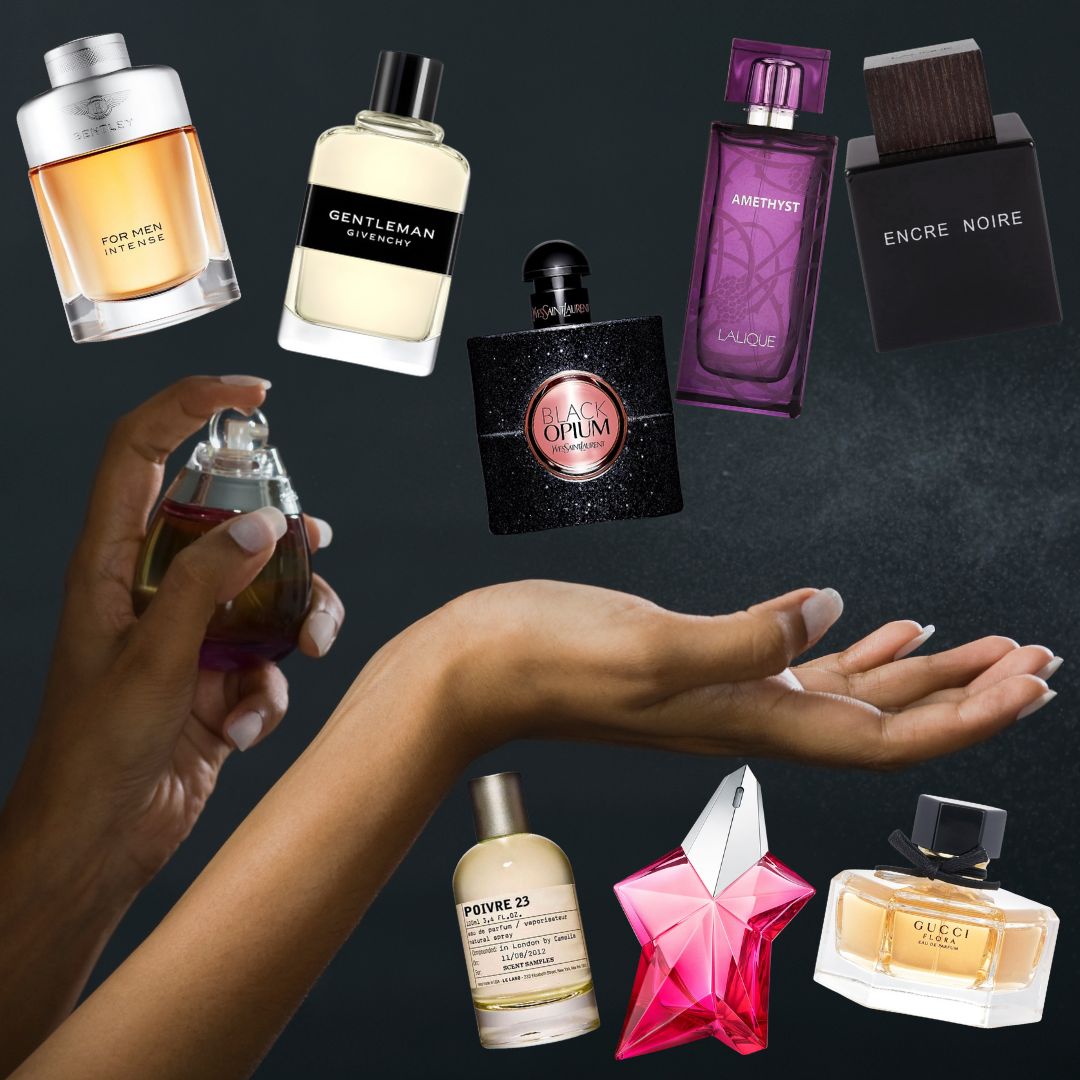
Nathalie Lorson’s perfumed portfolio, as myriad and shifting as a kaleidoscope, contains classics and cult favourites – Lalique Amethyst, Encre Noire (‘the beautiful story… was written with the purest vetiver, one of my favourite raw materials’), Flora by Gucci, Bentley for Men, Dita Von Teese EDP and the modern icon YSL Black Opium. Indeed, she is part of the quartet that gave Black Opium its velvet swagger, working for Firmenich, where she is Senior Perfumer.
Recent years have seen her hand in scents The Perfume Society loves to write about: Givenchy Gentleman (the contemporary 2017 version, co-authored with Olivier Cresp), Mugler Angel Nova, Boucheron Patchouli d’Angkor and Boucheron Santal de Kandy, Chopard Magnolia au Vétiver d’Haïti, and the enduring addiction of Le Labo Poivre 23. She seems to delight in the challenge of brand storytelling: ‘Always behind the scenes, I translate the brand history into an olfactory tale… I like to work with many different types of ingredients and explore them beyond their limits.’
Nathalie’s creative fragrant energy hums frenetically – ‘I am currently working on about 10 fragrances at the same time.’ Her travels, especially in Japan, spark inspiration for new olfactive territories, yet she stays grounded in the day-to-day texture of her craft: ‘Discussions with inspiring people are critical – they bring to life the ideas behind the scent.’ In interviews she adds, ‘We find lots of dust, but very few nuggets…’, alluding to the laborious search for newness and excellence each time she starts anew.

When Nathalie Lorson reminisces about her favourite smells, they speak to her breadth of memory: ‘Rose, vanilla, the smell of sand, freshly-cut grass and Christmas trees.’ And how incredible to think that her favourite first purchase – the original YSL Opium – set the course for a career mapping the DNA of French luxury. Asked how to fully appreciate fragrance, her advice returns to experience: ‘The best thing is to wear fragrance, to live with it, to smell it, to experience it.’
Pushed to choose the one fragrance she wishes she’d created, Lorson allows herself to pick two. ‘FlowerbyKenzo: a beautiful re-interpretation of a classic floral-powdery theme with a very identifiable trail. And Dior Hypnotic Poison: a product of pure pleasure, sensual, enveloping, very recognisable and with just the kind of “signature” I like.’
Today, pressed between luxury’s demands and niche creativity, Nathalie’s spirit remains keen: ‘Yes, with the arrival of all niche brands… the luxury brands are also asking perfumers to create fragrances with unique “signatures” that are new and different from others – so that’s very stimulating, too.’
Nathalie Lorson is – and ever was – quietly at the heart of things, dreaming ‘of everything that has not yet been discovered…’ For perfume lovers and practitioners, and for we fragrance-lovers alike, her work is a living invitation to scent, skill, and wonder, carried by a nose that grew up among the mimosas and never once switched off. And we thank goodness for that!
Written by Suzy Nightingale

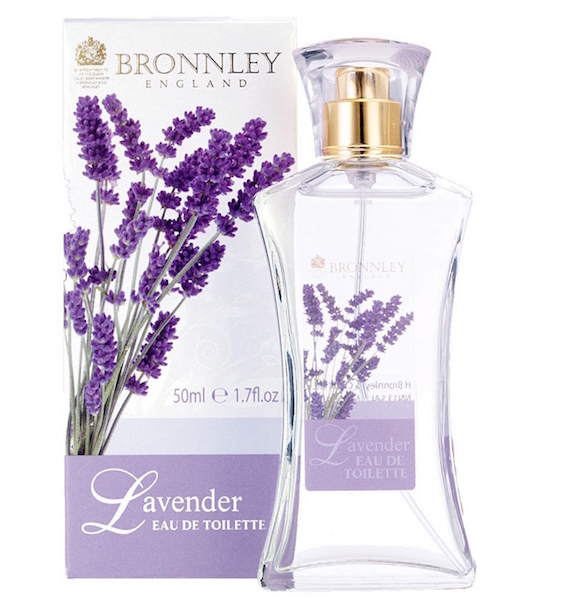


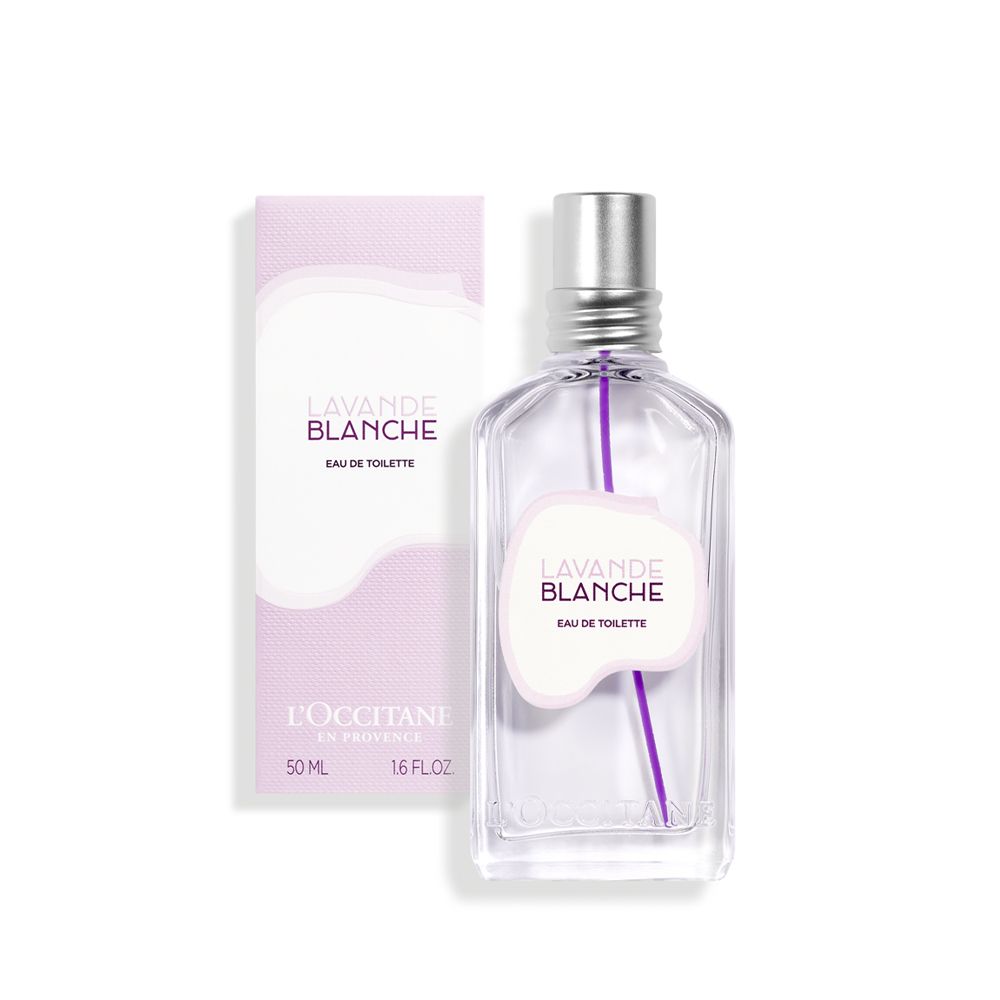


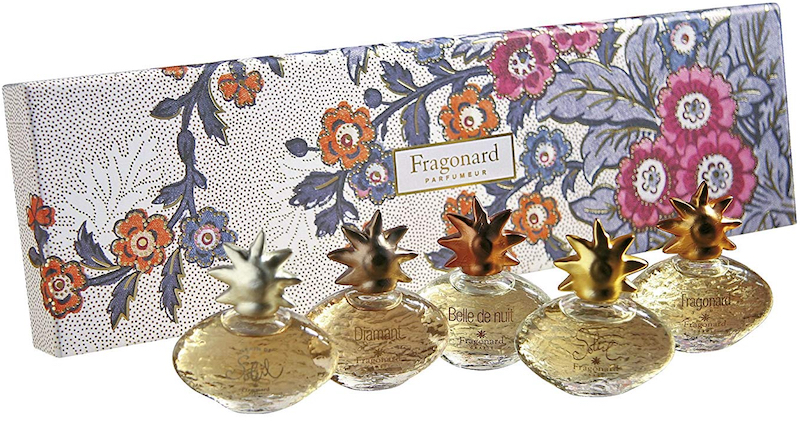

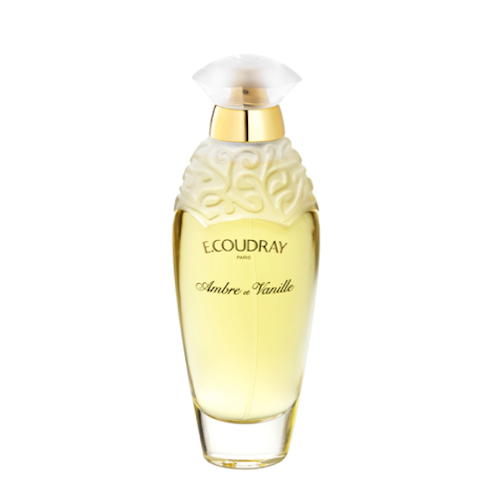
 ‘A gorgeous floral fragrance originally released in 1950 to great acclaim, Givrine has been updated for modern tastes by the highly regarded nose, Evelyne Boulanger. After a delicate citrus opening, complex floral accords shine through for a cosy, inviting aroma. Light and ephemeral, the scent is an image of grace and poise.’
 ‘Created by perfumer Randa Hammami, Iris Rose is a rich composition redolent of the classic floral scents that have for so long typified our expectations of elegance. Building from a sumptuous base of vanilla, patchouli and white musk, the fragrance opens up into a beautiful patina of subtle rose aromas, the top notes serving to lightly floriate the base notes rather than overpower them. The cumulative effect is light and breezy, yet firmly grounded, an ideal fragrance for a spring day or summer evening.’
 ‘Created by prolific nose Christophe Raynaud, Musc et Freesia is a sparkling and bubbly floral composition with surprising hints of fruity green accords. With delicate raspberry leaf in the top notes, and a sumptuous bouquet of peony, cyclamen, lily and freesia in the heart, Musc et Freesia is a luxurious and delicately balanced scent that brings out the best qualities of its constituent components.’
 ‘Launched in 1983, Jacinthe et Rose is one of the modern icons within the current E. Coudray range. Developed by Evelyne Boulanger, Jacinthe et Rose is a floral composition of exquisite nuance. The lush aroma of peach gives the scent a full-bodied quality, while sparkling top notes of vodka and bitter orange serve as an intriguing counterbalance to the sumptuous scent.’

 Think of Guerlain’s most famous fragrances – scents that have stood the test of time and will likely outlive us all – and a powerful woman will be behind the inspiration for the perfume, somewhere. Such as the exuberantly mysterious Mitsouko from 1919. Composed by Jacques Guerlain the perfume was based on the novel ‘La bataille’ and the eponymous heroine and wife of a Japanese Admiral, caught in the web of a tangled love affair with a British officer. A masterful balance of the juicy peach and rounded oakmoss of the base, Mitsouko retains its ambiguous juxtaposition of alluring warmth and cool reserve – an echo of the story’s heroine who must control her raging emotions with dignity as she awaits news of which, if either, of her lovers will return from the war.