Patchouli is definitely the ‘Marmite’ of the fragrance world – dividing opinion with a ferocity that only an olfactive ingredient can inspire. The mere mention of patchouli on a perfume note list is enough to send some scurrying for cover, haunted perhaps by memories of the swinging sixties – a time when patchouli oil was worn with, well, wild abandon! Its earthy intensity a badge of bohemian spirit. Yet, to dismiss patchouli outright is to overlook its true nature: a frilly-leafed, purple-flowered member of the mint family, Pogostemon patchouli, which yields an essence so rich and complex it remains, many noses agree, unmatched among natural botanicals in its importance to perfumery.
Though patchouli conjures images of incense-filled rooms and paisley shawls layered with its leaves to protect against marauding moths, it slips quietly into the most refined fragrances, lending depth and longevity – especially when paired with rose, for example, extending its sweetness in a way few notes can.
Fascinatingly, the name ‘patchouli’ derives from ancient Tamil, meaning simply ‘green leaf’, a testament to its heritage from India, Malaysia, and Indonesia. The very finest oil is harvested from the upper layers of the plant, fermented and distilled with meticulous care, and can linger for months from a single drop on a blotter. This mastery, reserved for the most discerning noses, is vital – for patchouli in clumsy hands can overwhelm, yet in the hands of a true artist, inspires lifelong devotion.
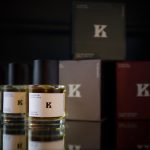
Patchouli’s contemporary rehabilitation became truly evident than in Escentric Molecules’ M+ Patchouli, dreamed up by the ever-restless talent of Geza Schöen. Known for revolutionising perfumery with Molecule 01 – a single synthetic note, Iso E Super, which envelops the wearer in a soft, woody-musk cocoon – he saw patchouli not as a relic to be tamed, but as a partner in olfactive innovation.
As Geza says… ‘Molecule 01 is an exceptional molecule: radiant, velvety, cocooning. It’s mysteriously effective on its own, but I started to wonder if there might be another way to play with it. What if I could take the molecule and add just one other beautiful ingredient and see how they danced together in the bottle?’
What follows is a genre-shifting duet: ‘Patchouli is a unique natural. Unlike 99% of perfume ingredients, we associate it with a particular period, with the sixties and seventies and that bohemian spirit. It has a cool, rather aloof woodiness to it. I love it for its moody beauty.’
The composition features two distinct qualities, he told us; explaining that ‘The biggest chunk is Patchouli Coeur, which is a very clean, soft patchouli oil fraction with the camphor-like top note removed. I have also included a patchouli oil from Indonesia to round it out with a little bit of a top note. The result is a sophisticated, clean patchouli that pairs fantastically well with Molecule 01.’
Suddenly, those who once loathed patchouli found themselves beguiled, perhaps even passionate converts! Have you joined the fragrant throng of fans yet?
Escentric Molecules M+ Patchouli£95 for 100ml eau de parfumin the Shop
For those wishing to delve deeper, Patchouli by NEZ / LMR is an ideal companion, and merits lingering over more than a single sitting. This elegant volume – part of a celebrated series of ‘naturals notebooks’ – explores patchouli through the lens of botany, history, agriculture, chemistry, and the creative imagination of perfumers. The book generously balances technical analysis with charming anecdotes, charts, and behind-the-scenes glimpses into distillation techniques, making it as enjoyable for casual perfume lovers as for committed ingredient nerds. With quotes from passionate perfumers, such as Bruno Jovanovic’s declaration, “…if magic had a scent, it would smell of patchouli!”, readers discover the alchemy that transforms this polarising material into a cornerstone of chypre and ambrée families or, indeed, a flagship for modern fragrance houses.
Offering an illuminating olfactive journey from patchouli’s association with scandal and flower power to its enthronement as a keystone of today’s sophisticated compositions. Historical timelines, reviews of iconic fragrances worth seeking out, and lively prose ensure that every visit between its covers leaves one a little better informed, and rather more in love with patchouli’s myriad guises. The book invites the reader to dip in and out at leisure or to deep dive when inspiration strikes and stands as a rich source for those keen to reimagine what patchouli can mean.
Patchouli by NEZ / LMR, published by NEZ éditions£17shymimosa.co.uk
Patchouli remains a polarising force, of course; but these days, with such an array of modern interpretations, misinterpretation has given way to appreciation, even awe. Perfume lovers need only open their minds and, perhaps, their nostrils to discover what we patchouli-heads have been delighting in for decades!
Spring is a time of renewal, of fresh beginnings and blossoming possibilities. But not all floral fragrances are created equal, and some take us on journeys far beyond the expected garden path. Here are five extraordinary scents that reimagine what a spring floral can be, each one challenging our perceptions and delighting our senses in the most unexpected ways…
4160 Tuesdays Tokyo Spring Blossom
Imagine standing in a parallel universe where cherry blossoms whisper secrets carried on ethereal winds. Tokyo Spring Blossom exists in this liminal space, neither here nor there, but somehow everywhere at once. It begins with a cascade of citrus notes dancing like sunlight through branches, before revealing its true character: a powdery violet and rose heart that feels both nostalgic and utterly contemporary. As time passes, the fragrance transforms into something altogether more mysterious – a smooth, resinous embrace of tolu, opoponax and benzoin that grounds the floral lightness with earthy wisdom. This is more than just a delightfully unique spring floral scent, it’s a philosophical question bottled – a scent that demands contemplation as it shifts between familiarity and strangeness, between the natural world and artistic interpretation. Sarah McCartney’s creation exists in that magical space where chemistry becomes poetry, where synthetic notes paradoxically create something that feels more authentic than nature itself.
The bottle alone – soft pink, sensually curved – hints at the transformation within. Lifeboost Love reimagines the spring floral as a self-care ritual, a daily affirmation bottled in liquid form. The initial encounter brings a burst of crimson berries and cherries, their juices running wild amongst torn green leaves: vibrant, alive, and utterly mouthwatering. This fruity overture gradually melts into a heart that pulses with deep emotion – velvety rose petals unfurl alongside heady tuberose and jasmine, their white petals steaming with intensity. What elevates this beyond a simple floral is the creamy almond oil that weaves throughout, transforming the composition into something akin to a fragrant elixir brewed by a modern alchemist. The result is not merely full of the romance of spring but soul-elevating – a scent that celebrates love in all its forms, beginning with the most important relationship of all: the one we have with ourselves.
Bukhara doesn’t simply evoke spring flowers – it transports you along the ancient Silk Road, where cultures and scents intermingled in a grand olfactory exchange. The journey begins with succulent peach and blackcurrant, their sweet juiciness creating a mirage-like oasis in the desert of everyday life. As you travel deeper into the fragrance, a triumvirate of white flowers emerges – tuberose, jasmine, and orange blossom—their voices harmonising in perfect pitch, carried on warm, arid winds that speak of distant lands and exotic promises. The dry-down reveals the true treasure at the end of this aromatic expedition: sumptuous woods and vanilla create a foundation of quiet luxury, while a whisper of oudh adds an element of mystery that lingers like a half-remembered dream. This is no ordinary floral—it’s an olfactory tapestry woven with threads of history, geography and imagination.
The Brazilian rainforest meets classical perfumery in this exuberant creation from Givaudan perfumer Leandro Petit. Flora Magnifica pulses with the vibrant energy of South American biodiversity, reimagining spring flowers through a tropical lens. Traditional floral notes—rose, magnolia, and jasmine—are transformed by their proximity to exotic coconut blossom, creating an unexpected alliance that feels both familiar and thrillingly new. Juicy nectarine adds a succulent dimension, its sweetness tempered by the sophisticated embrace of musk and creamy sandalwood. The result is a fragrance that seems to shimmer with sunlight filtered through dense jungle canopy – at once verdant and bright, soft and assertive. Like the samba that inspired it, Flora Magnifica moves with a rhythm all its own, bringing the carnival spirit to the often-predictable world of floral fragrances.
Who better to inspire a subversive take on spring florals than literature’s most famous dandy? Floris Wilde pays homage to Oscar Wilde’s legendary wit and style with a composition that defies convention at every turn. The opening salvo of citrus blossom and bergamot feels deceptively traditional—a gentleman’s cologne from a bygone era… but this is merely setting the stage for what follows. The heart reveals the fragrance’s true character: a specially created green carnation accord (Wilde’s signature buttonhole flower) intertwined with spicy ginger and white jasmine. This unexpected combination struts and preens with all the confidence of its namesake, challenging preconceptions about what a floral scent can be. As it settles, notes of sandalwood, benzoin and olibanum create a sophisticated foundation worthy of Wilde himself—intellectual, complex, and utterly compelling. This is not a fragrance for wallflowers, but rather for those who, like Wilde, understand that being natural is simply not dramatic enough.
We think January is the perfect moment to take a step back and reflect on the scents that have truly shaped the perfume landscape. Previously this month, we’ve looked at the some of the ultimate classics your nose should know; and now we’re continuing that theme by delving into some other true ‘modern classics’ of twentieth century olfaction – all of these composed in the earlier 2000’s.
These scents were revolutionary in their own way and really changed the scented scene, laying the groundwork for so many others who followed their lead. They are all, without a doubt, must-sniffs for any serious perfume enthusiast. Yet, paradoxically, because they are so well known (by name, even if you’d not actually gotten around to smelling them yet), it’s all too easy to overlook their importance in fragrance history. But we at The Perfume Society feel certain that these are scents that will still be talked about in 100 years’ time, referenced in perfume history books, and fondly remembered by people who perhaps by then associate them with what their parents or grandparents wore, and now wear themselves for the nostalgia. It’s a funny thought, because to many of us they still feel new, in a way!
These fragrances have not only captured the zeitgeist of their time but have also managed to remain relevant and coveted years after their initial release. They’ve inspired countless imitators, sparked new trends, and in some cases, even created entirely new categories within the fragrance industry. Their influence extends far beyond their own bottles, seeping into the very fabric of how we think about and experience perfume.
We believe that every perfume lover should have tried these fragrances and added at least one to their collection. They represent not just beautiful scents, but pivotal moments in perfume history. They are the benchmarks against which new releases are measured, the scents that have defined and continue to define what modern perfumery can be.
So, before we are bombarded by all the exciting new launches to come this year, why not take a moment for some fragrant reflection? Revisit these modern classics, or if you haven’t yet had the pleasure, seek them out. After all, to truly appreciate where we’re going in the world of fragrance, it’s essential to understand where we’ve been. And who knows? In sniffing these iconic scents, you might just discover a new love you’d overlooked or re-acquaint yourself with a treasure you’d forgotten.
Now, which of these modern classics would you add to your collection first, we wonder…?
In 2006, the fragrance world was turned on its head by a revolutionary concept: a perfume containing but a single, synthetic ingredient. Escentric Molecules Molecule 01, the brainchild of maverick perfumer Geza Schoen, was a bold departure from traditional perfumery that would go on to redefine the boundaries of scent. Schoen, with a mixture of daring and intuition, bottled pure Iso E Super, an aroma-molecule that had been quietly working its magic in the background of countless fragrances since the 1970s. Initially, he thought, ‘This one will appeal only to the artists, the freaks, the outsiders.’ How wonderfully wrong he was; the world went absolutely mad for it.
Molecule 01 quickly became a phenomenon, a cult classic that transcended the niche market and infiltrated popular culture. Its appeal lies in its simplicity and its complexity – a paradox that has captivated fragrance enthusiasts and casual wearers alike. The scent is often described as the olfactory equivalent of that warm, fuzzy comfort of nuzzling your lover’s neck, inspiring an insatiable desire for more. The genius of Molecule 01 lies not just in its composition, but in its performance. It has a marked intermittence, seeming to vanish and then reappear, tantalising the wearer and those around them. This isn’t just clever marketing; it’s a result of the molecule’s interaction with our olfactory receptors, creating a scent that is both ever-present and elusive.
Nearly two decades after its launch, Molecule 01 remains a modern classic, a testament to the power of innovation and simplicity in perfumery. It continues to fascinate and delight, proving that true originality in fragrance can stand the test of time.
At its heart, Portrait of a Lady is a study in seamlessly melded contrasts. It takes the classic note of Turkish rose and amplifies it to an unprecedented degree, surrounding it with a dark, smouldering blend of berries, patchouli, sandalwood, and frankincense. The result is a scent that is at once familiar and utterly unique, a rose transformed into something altogether more complex and intriguing.
What Ropion did to set Portrait of a Lady apart from other roses is grant it remarkable tenacity and sillage – an innate bravery. This is a fragrance that announces itself with confidence, leaving a trail that lingers long after the wearer has departed. It’s a scent that demands attention, yet never feels overpowering or brash. The name, inspired by Henry James’ novel, perfectly captures the essence of the fragrance. Like its literary namesake, Portrait of a Lady is sophisticated, multifaceted, and utterly captivating. It’s a scent that tells a story, evolving on the skin throughout the day to reveal new facets of its character.
First launched (incredibly!) in 2010, Portrait of a Lady is now celebrated in a 15th Anniversary Limited Edition red lacquered bottle; cementing its space in the scented hall of fame as it continues to enchant fragrance enthusiasts and newcomers alike. It has earned its place as a modern classic, a scent that will undoubtedly be remembered and revered for generations to come. In the world of niche perfumery, it stands as a shining example of how tradition and innovation can combine to create something truly extraordinary, and still exciting us to this day.
2010 was clearly having a moment, for this modern blockbuster was also launched that year, and singlehandedly responsible for the revolution of the modern fruity scent – particularly those classed as ‘masculine’ and mainly marketed at men. Having achieved near-mythic status in the fragrance world, and evolving from a luxury scent to a modern legend, this perfumed powerhouse redefined masculine elegance for the 21st century, creating a blueprint that countless fragrances have since sought to emulate.
At its core, Aventus is a bold symphony of contrasts. Juicy pineapple and blackcurrant burst forth with vibrant freshness, gradually deepening into a smoky, woody base of birch, musk, and oakmoss. This dynamic interplay creates a scent that feels both invigorating and commanding—a fragrance that wears its confidence effortlessly. What truly distinguishes Aventus is its cultural resonance. It sparked an unprecedented cult following, with enthusiasts obsessing over batch variations and hunting down coveted “vintage” formulations. This devotion transformed perfume appreciation into a passionate pursuit, creating communities united by shared olfactory obsession.
The fragrance’s remarkable longevity and sillage became its hallmark. Aventus doesn’t just linger – it announces itself with a fruity fanfare, leaving a trail for many hours. Yet for all its power, it maintains an air of poise, balancing raw energy with a more polished surface elegance. Over a decade since its debut, for many Aventus remains the gold standard for luxury fragrances, its influence permeating both niche and mainstream perfumery. It’s a cultural touchstone, a reference point for what ‘modern masculinity’ can smell like. As future generations rediscover its magnetic allure, Aventus will surely endure as a defining emblem of its era, forever etched in the annals of fragrance history.
Beginning life as a candle and creating an immediate lust, with such longing, it was re-introduced as a fine fragrance – thereby becoming a modern legend in the fragrance world, and transforming from what might have remained a niche scent to an olfactory icon. Created by perfumer Frank Voelkl, this fragrance has achieved a level of recognition and devotion that few scents can claim, reaching far beyond the world of fragrance lovers and known by those who could perhaps only name a handful of fragrances from any era.
At its heart, Santal 33 is a masterful reimagining of the classic sandalwood fragrance. It blends creamy Australian sandalwood with papyrus, cedarwood, cardamom, and a wispy hint of violet, creating a scent that is at once familiar and utterly unique. The result is a fragrance that manages to be both comforting and intriguing, with a distinctive leathery, smoky quality that sets it apart. The success of Santal 33 has been nothing short of remarkable. From its origins in Le Labo’s New York boutique, it has spread across the globe, becoming first a staple in the wardrobes of cool kids and tastemakers, then that distinctive sandalwood wafting far wider. Its distinctive scent has permeated popular culture, appearing in countless articles, social media posts, and even inspiring its own laundry detergent iterations.
Years after its release, Santal 33 continues to captivate and inspire new generations. It stands as a testament to the power of originality in perfumery, proving that a truly unique scent can transcend trends and become a modern classic. In the annals of fragrance history, Santal 33 will undoubtedly be remembered as one of the defining scents of its era.
Launched in 2015, this is a fragrance that has become nothing short of a cultural phenomenon, now seemingly scenting whole cities. Originally created to celebrate the 250th anniversary of the iconic crystal house Baccarat, this scent blended innovation with timeless sophistication and a hugely characterful (immediately recognisable) amber-laden base. At its core, Baccarat Rouge 540 balances ethereal lightness with a plungingly deep, resinous warmth, weaving together saffron, jasmine, ambergris, and cedarwood into a luminous composition. The result is a scent that feels both weightless and utterly enveloping, dazzling on the skin like sunlight refracted through fine crystal.
What makes Baccarat Rouge 540 truly remarkable is its ability to be simultaneously distinctive and mass appealing. Its signature sweet, almost candied quality, tempered by mineral and woody undertones, has an addictive allure that lingers in the air long (long!) after it’s applied. Its unmistakable sillage has become synonymous with modern luxury, inspiring countless admirers and blatant imitators. Yet, its brilliance lies in its originality – a scent so unique that it feels instantly recognisable yet impossible to fully define.
Baccarat Rouge 540 is more than just a perfume; it’s a statement piece that continues to captivate, inspire, and divide opinion. Years from now, it will undoubtedly be remembered as one of the defining fragrances of its era – a modern classic that has left an indelible mark on the world of scent (and likely in a lift near you!)
Floris have scented everyone from royalty, Florence Nightingale, prime ministers and even Marilyn Monroe, but now you can dip into their incredible history (and try some their more contemporary fragrances) in their beautifully curated Floris Discovery Collections…
The long-distinguished history of Floris first began in the dreams of one Juan Famenias Floris, who in 1730 sailed from his native Minorca to set up in London. Marrying an English girl, he settled in business as a barber on Jermyn Street within the fashionable St. James’s area, first making hair combs and then assuaging his homesickness by blending fragrant oils he’d transported from Europe. Customers soon took to ordering bespoke blends, all recorded in leather-bound ledgers, enabling Floris to re-create them should further supplies be required in the future – and thus a fragrant dynasty was born.
Many of those original ledgers, order forms and letters of thanks are still in existence, preserved by successive generations of the Floris family, and offering a uniquely fascinating glimpse of British fragrant taste through the ages. Their books boast orders from Admirals serving under Lord Nelson, Florence Nightingale, George IV, through to Winston Churchill. In 1820, Floris received the first of 16 Royal Warrants, the most recent being the title: Perfumers to HM The Queen Elizabeth II and Manufacturers of Toilet Preparations to HRH The Prince of Wales. (Now, of course, King Charles!)
And then there was Marilyn Monroe. The scent the world’s biggest sex-symbol always made sure to stock up on? In their extraordinary archive (some of which is on display in the rear of their Jermyn Street boutique), Floris happen to have an original form detailing Marilyn’s order for their surprisingly unisex and greenly fresh Rose Geranium. Indeed, she loved it so much she requested SIX bottles at a time be delivered to her in Beverley Hills! (NB: A far more contemporary rose is their fragrance A Rose For… in The Private Collection – an intriguingly smoky gossamer embrace).
The original Floris shop still stands on Jermyn Street. (A couple of generations ago, fragrances were actually manufactured two floors below street level, in a basement known as ‘the mine’.) Now beautifully refurbished, the boutique many other intriguing artefacts to discover on display, along with a wide wardrobe of perfumes to explore. Edward Bodenham – an ancestor of Juan Famenias Floris himself – is the current Perfumery Director at Floris, with fragrance clearly in his blood.
As he explains: ‘I feel immensely proud to be part of the family business and to have the opportunity to help introduce our perfume house to a new generation. I have such fond memories of visiting the shop from a young age, and it is very nostalgic for me to be around the fragrances that I have grown up with my whole life. They really are like old friends to me.’
No matter how fascinating or notable their past, however, no perfume house could merely trade off their history. So as Edward notes – and more recent creations like sun-drenched Neroli Voyage in the Classic Collection and utterly addictive Honey Oud in Private Collection, prove – Floris are ‘always evolving. We have to be experimental and explorative when working on new fragrances – in just the same way my forefathers were in their day.’ Adding: ‘I hope that they would be proud of our creations today.’
A budding trend for wearable, contemporary, even edgy rose scents has turned into a full-bloomed renaissance. Suddenly, rose scents are blooming everywhere, (along with our own late-blooming rose bushes here in the U.K. thanks to the washed-out, dreary Spring!)
Here, we celebrate some of our favourite modern takes on the ‘Queen of the flower’ fragrances…
Not very long ago at all, if you had a sneaking love of rose perfumes, chances are you might keep pretty schtum about it. Despite rose appearing in the construction of the vast majority of perfumes – a pillar, around which other fragrance ingredients entwine – in perfumistas circles, overtly ‘rose perfumes’ were perceived by many as a bit dusty, a bit boring, somewhat outdated, and best relegated to scented drawer-liners and grandma’s dressing table.
Indeed, James Craven, fragrance expert, and one-time archivist for London’s first niche perfumery, Les Senteurs, recalls that many customers who came searching for a new scent would begin their consultation by pronouncing, definitively: ‘Nothing with rose in it’. Customers had a preconceived idea of how a rose scent would smell, he says. But undeterred, and indeed without telling the customer what they were sniffing, James would nevertheless proceed to show them a fragrance with rose as a note.
‘Nine times out of 10, the rose scents would be the one they’d fall in love with,’ he says. (Though to be fair, it would have been pretty hard for him not to, since roses feature in at least 75% of modern feminine fragrances, and at least 10% of all men’s perfumes, too.)
Today, however, there is a serious rose resurgence in perfumery – and we aren’t talking ‘chorus line’ rose notes, but fragrances which put rose front and centre in the scented spotlight, in an utterly modern style. Roses don’t merely have to be seen as a ‘romantic’ scent style, now – or, of course, reserved for ‘feminine’ fragrances. We’re loving the more masculine takes, too.
One thing is perfectly clear – never have we seen so many new overtly rose-centric fragrances being re-embraced in such a flurry. The only problem you have is: which of these blooming rose scents will you seek out to try first…?
Chanel Les Eaux Paris – Paris
Recent recipient of The Fragrance Foundation Reader’s Choice Award, this dreamy rose scent pays homage to, ‘the vibrant and timeless Paris of Gabrielle Chanel; the authenticity of her character and the modernity of her soul.’ Sparkling with citrus and pink pepper, the Damask rose exudes an effervescent, contemporary kind of chic being so perfectly borne aloft on the radiance of those top notes.
A scorching interpretation of rose, in which smouldering leather tangos with rich Damask rose against a vibrantly glowing backdrop of patchouli, amber and warm waves of sensual oudh. Think of a summer party’s bonfire-smoke still clinging to your hair, pinpricks of starlight against a velvety sky and passionate kisses which smoulder nearly as long as this will on your skin.
Fresh and floral, yes, but with a sultry undercurrent resonant in the burning embrace of the ambreé’s character (which slowly reveals itself as it settles on bare skin). A caress of bright bergamot, lemon and cedar leaf trembles to the bouquet buried within the heart: that coriander-speckled rose rippled with jasmine, lily of the valley, magnolia, orange flower, then dusted with orris before the seductively woody base takes hold.
Inspired by a small Turkish village famed the world over for its roses, perfumer Christian Provenzano coaxes baskets of the blooms to radiate in the hot sun. Steeped with spices, the nutmeg and oudh sweep in clouds across supple leather (and often, onto the streets, actually wafting from Penhaligon’s boutiques). That distinctive amber woodiness in the base has ensured its modern icon, smash-hit status never fades.
Talking of contemporary, perfumer Aurélien Guichard worked with cutting-edge neuroscience discoveries to create this almost jammy rose essence from Bulgaria that’s spiked with cool nutmeg, textured with labdanum’s supple, leather-like facets and another favourite partner of rose – patchouli essence from Indonesia. Edentiste suggests pairing with any of their ‘Lifeboost’ actives to ‘let your feelings rule…’
Roses are having such a fragrant resurgence: but why right now? Read on for our take on this rise (and rise) of rose perfumes we’ve seen launched lately – and our guide of which roses to wear right now…
There’s been a serious blooming of rose in perfumery the last couple of years – and we aren’t talking ‘chorus line’ rose notes, but fragrances which put rose front and centre in the scented spotlight, in an utterly modern style. Never have we seen so many new overtly rose-centric scents released in such a flurry, with Tom Ford and Jo Malone London launching whole collections of rose-themed perfumes, persuading us this is more than a passing fragrant fancy, and leading us to confidently declare: this is the Year of the Rose. Indeed, according to Google, rose is the most-searched fragrance ingredient in the past year, with over 50,000 searches each month.
There is, of course, an incredibly long tradition of using rose in perfumery – we’re talking millennia, not mere centuries. In his book Smell and the Ancient Senses (Ed. Mark Bradley, 2015), David Potter, the Collegiate Professor of Greek and Roman History at the University of Michigan, reminds us that by 116BC, ‘Roman aristocrats… were already treating roses as a cash crop.’ And you can read even more on the quite extraordinary history Romans had with the rose in our fragrant history section.
But meanwhile: why now this renewed desire for ultra-modern rose-powered perfumes?
Roses today in perfumery are a glorious quantum leap from those which gathered dust on dressing tables of old. In 2022, there is a rose fragrance for everyone, whether your leanings are towards easy-to-wear sun-filled scents or the more velvety, smoulderingly smoochy essences we’re reaching for now autumn’s here. And gender doesn’t come into it, either: many, many of the ‘new roses’ are gloriously shareable (we’re very glad to say!) and we urge all ages, all genders to dive into these particular rose perfumes with a fragrant abandon…
Molton Brown Rose Dunes EDP – Sultry desert air. £120 for 100ml eau de parfumMolton Brown
Atelier Materi Rose Ardoise – Urban petrichor pavements. £195 for 100ml eau de parfumHarvey Nichols
Manos Gerakinis Rose Poétique – Mysterious Sapphic jubilation. £165 for 100ml eau de parfumShy Mimosa
Parfums de Marly Delina La Rosée – Aristocratically powdered passion. £200 for 75ml eau de parfumSelfridges
Sana Jardin Incense Water – Soothingly meditative meanderings. £95 for 50ml eau de parfumSana Jardin
INITIO Atomic Rose – Rambunctiously robust eruptions. £215 for 90ml eau de parfumFenwick
Narciso Rodriguez Musc Noir Rose for Her – Intimately addictive sensuality. £55 for 30ml eau de parfumThe Perfume Shop
Electimuss Rhodanthe – Vibrantly voluptuous intoxication. £175 for 100ml extrait de parfumElectimuss
Parle Moi de Parfum Une Tonne de Roses / 8 – Frivolous olfactory festival. £98 for 50ml eau de parfumLes Senteurs
Coach Wild Rose – Daringly delicate gracefulness. £37 for 30ml eau de parfumEscentual
Obvious Une Rose – Sunshine-bathed captivation. £95 for 100ml eau de parfumFlannels
Moschino Toy Boy – Spicy leather shenanigans. £45 for 30ml eau de parfum Fragrance Direct
We’re perhaps used to thinking of lily of the valley as a very traditional (even, whisper it, old-fashioned) perfumery ingredient, yet so many modern classics and contemporary perfumers use lily of the valley to magnificent effect in their compositions. We chose this symbolic flower – meaning ‘a return to happiness’ – eight years ago as our kind of unoffical emblem, and at our birthday launch we gave a precious beribboned posy as a gift to loved ones and fragrance industry friends.
If perhaps the stunning Guerlain Muguet 2022 we wrote about on the 1st of May was beyond your means, have a wander through these lily of the valley scents – yours to re-discover, or fall in love with afresh this spring…
MEMOIZE LONDON ROSE LUXURIA
‘The essence of ultimate want and desire’ this intoxicating take on lily of the valley thrusts it betwixt a soapy rose, and creamy magnolia for skin-like sensuality, while orange flower and powder soft orris remind us of true romance. Fall in love with the floral bouquet, fall deeper for the warm, amber-rich base drizzled with benzoin, cushioned by velvety moss and rolled in precious musk and woods. Light and darkness juxtaposed to licentious yet luminescent effect! £227 for 100ml Extrait de Parfum perfumesociety.org
DIOR
DIORISSIMO
An eternal classic lily of the valley launched in 1956, according to Christian Dior, Diorissimo is the perfume of Edmond Roudnitska’s spirit, or, “the scented expression of his soul”. Green leaves and bergamot bring energy to the flower, while lilac adds further spring-like hopefulness. Sunlit jasmine, lily and ylang ylang beam becommingly as the gentle animalic purr of the base prevents this beauty being too cold and cut from marble.
£69 for 50ml eau de toilette dior.com
BVLGARI Rose Goldea Blossom Delight
Swapping out heavier scents for fresher fragrances feel like a proper escape from winter, an exuberant change in the weather here evoked by the delicacy of lily of the valley, powdery peony and a kiss of musk. This pretty bouquet is further refreshed ‘by incorporating the freshness of the rosebuds at sunrise, embraced by just-picked spring flowers.’ We’re dropping down the denier scale in olfactory form, wearing this joyous ode to spring. £65 for 50ml eau de toilette bvlgari.com
YARDLEY LONDON LILY OF THE VALLEY BODY MIST
A charming bouquet that always makes us think of traditional English picnics in the woods, here Yardley entwines the heritage of their name and these delicate yet powerfully-fragrant flowers with a surprising note of juicy pear to add a modern twist on a traditional theme. Freesia and musk add a further layer of richness to this lighter spritz of a posy, perfect for layering while maintaining your skin’s moisture levels in the most elegantly fragrant way. £6.99 for 200ml body mist yardleylondon.co.uk
EIGHT & BOB
ANNICKE 1
Perfumer Albert Fouquet’s life was turned upside down one evening in the French Alps, where he attended a high society soirée and was introduced to the strikingly beautiful Annicke. Now this collection has been created as a contemporary tribute to his love, the first fragrance marrying lily of the valley, rosy notes of peony and intoxicating jasmine. Sparkling mandarin cuts through the heart, white musk and driftwood soothing the passion.
COLLEZIONE PRIVATA BY VALMONT Collezione Privata Just Bloom
For the fourth fragrance in the collection, we’re presented with a stunning bouquet of white flowers, traditionally a symbol of femininity but chicly paired back, here, allowing the blossoms to fully bloom. CEO Sophie Vann Guillon’s favourite flower happens to be lily of the valley, so joyfully evoked in the top notes, and complemented by the creamy exoticism of gardenia in the heart. Finally caressed by the ethereal woodiness of ambergris, it’s a sun-dappled delight. £230 for 100ml eau de parfum harrods.com
CHANEL N°19
Sparkling and vibrant with every elegant spritz, it’s daringly green but still supremely wearable. The snapped-stalk freshness of galbanum is balanced with soft, powdery iris, heady ylang ylang tempered by a shiver of spring air in lily of the valley and luminescent rose. Exciting and immediately mood-lifting, if N°5 wasn’t for you, try this joyously energising fizz of freshness as a pick-me-up. £107 for 100ml eau de toilette chanel.com
When science meets art, fireworks happen, and so it is in fragrance, with the question of ‘what should a man smell like?’ seemingly answered by perfumer Paul Parquet for Houbigant in 1882. The conclusion? A fern. Now, this once traditionally masculine smell is a hot topic in fragrances marketed to women or perceived as ‘gender fluid’, for those leafy ferns have come a long way…
The problem for Parquet was, ferns don’t exactly smell of anything much. His technological developments created a whole new fragrance family – fougère roughly translates to ‘fern-like’ – say it ‘foo-jair’, with the ‘j’ a little soft, almost ‘foo-shair’.
When you think of a fern, what smell comes to mind? Misty woodlands, verdant undergrowth still wet with morning dew, a sense of stillness and contemplation, leafy green shoots pushing their way through a forest floor? Whatever you imagine, that smell memory was originally encapsulated by Houbigant’s Fougère Royale – created in 1882 and much copied by those who clamoured to achieve a measure of its success.
Called the ‘greatest perfumer of his time’ by no less than Ernest Beaux, the creator of Chanel No. 5, Parquet can be said to have been the first perfumer to truly understand and appreciate the use of synthetic aroma materials in fragrance composition. First used as mere substitutes for naturally derived raw materials, Parquet saw a chance to use them as unique smells in their own right – alchemically poetic creations that sought not to mimic the natural world but to add to it – to improve on perfection. He was a fragrant revolutionary, and that revolution continues to this day.
So what did the traditional fougère consist of?Oak moss, geranium, bergamot, sometimes lavender and amber, and (most notably) synthetic coumarin form the main structure. But how many outside the industry would be able to describe coumarin’s smell?
Found in natural sources such as the toasted almond-esque tonka beans, the essential oils derived from cinnamon bark and the spicy cassia plant; coumarin cannot really said to be a sum of those parts. So what does it smell like?
Complexly layered, imagine the scent of sweet hay drying in the sunshine with a slight waft of warm horse; a cold glass of fizz sipped on newly mown grass, a fine cigar fresh from the humidor, even an unadulterated cookie dunked in warm milk – all of these things and not one in particular, truly something ‘other’ – the scientist’s hand working in harmony with the artful perfumer to amplify the magical realism in its synthetic form. The skill of the perfumer is to take these ingredients and transform them into something we think we already recognise – a swathe of leafy green ferns in a woodland setting, in this case – sparking scent memories and creating new ones to fill the gaps.
If you haven’t yet explored this fragrance family, now is the perfect time to begin. This in-between time of seasons, when we crave some freshness but still require depth and interest to the scents we choose, is ideal for seeking out something new to try, and that traditional structure has some interesting notes added for contemporary interest.
Here’s a selection of some more modern fougères – regardless of gender – to get your noses in touch with. Let your fragrant fougère journey begin…
Although classified as a leather (the clue’s in the name) MEMO actually describe this as ‘a frozen fougère’, and I wholeheartedly agree. It’s minus the oak moss (many moderns are) but features a whole host of frosted herbaceous greeness, with basil, rosemary, clary sage and mint amidst snow-covered drifts of ferns, pine needles, tonka bean and a deliciously dry, woody-leathered base.
Memo Paris Russian Leather £205 for 75ml eau de parfum harveynichols.com
In this 100% natural perfume, Simone de Beauvoir’s novel is brought to life; the lingering scent of a questioning glance that shakes your soul, warm as a cat curling bare legs, shivering as the fur tickles. A composition of contrasts, we have geranium, basil and lemon rubbing up against Indonesian clove and nutmeg; a sticky patchouli slinking into the cool dryness of vetiver, with a lick of amber rich labdanum nuzzling oak moss and cedar to finish
Timothy Han Edition Perfumes She Came to Stay £120 for 60ml eau de parfum timothyhanedition.com
Reminiscent of rifling through a forgotten cove of personal treasures, leather-bound diaries reveal sketches of ferns and dried flowers pressed between the pages, bundles of love letters are tied in faded silk ribbons, a lipstick kiss on a foxed mirror, silk scarves with a mingled scent of powder and the faint tang of a gentleman’s Cologne. Mint, lavender, juniper berries and black pepper are swathed in layers of rose and ylang ylang; curls of tobacco expiring into vanilla and cocoa.
4160 Tuesdays The Lion Cupboard from £50 for 30ml eau de parfum 4160tuesdays.com
Inspired by the river that runs through the heart of Keyneston Mill, where this UK house uniquely grow and distil many of the ingredients they use; this is a bare-foot meander through clover-strewn lawns, a budding freshness in the air signifying Spring. Squeezes of lemon and lime shot through with bergamot, mint and lemon-thyme are layered on herbaceously dry clary sage and soft orange flower, as an aromatically dreamy wisp of incense encircles oak moss in the langourous base.
A bright young thing, in a gown too sheer to be decent, dances the night away at a discreetly riotous nightclub. Surrounded by velvet ropes, garlanded by blossoms, she sleeps until noon. Based on the traditional composition, it’s far from historic smelling – the geranium, oak moss, coumarin and bergamot are naughtily nudged in the ribs by a rather wanton orange blossom, given a shot of luminescent freshness with neroli and snuggled in a bosomy amber.
Mugler Fougère Furieuse £140 for 80ml eau de parfum harrods.com
There are reportedly more women now joining the famous French perfumery school, ISIPCA, than men – an about-face for the time women in the perfume industry were either not employed at all, or remained somewhat faceless behind-the-scenes as their male peers were lauded as genius perfumers in gleaming white lab coats, then the respectable (and respected) face of fragrance.
The perfume world – and all fragrance fans – have many pioneering women to thank for the centuries they spent, tirelessly working their way to the top. So, for International Women’s Day, here are just a few we’d like to put our hands together for, and whom we should all celebrate, not just today, but every single time we spritz…
Germaine Cellier was a pioneering nose from the 1940s who created scandalously daring scents such as Balmain‘s Vent Vert – overdosed with galbanum and considered the first “green” perfume of its kind – and Robert Piguet‘s Fracas, a bombastic, room-filling, man-slaying tuberose. Cellier believed in doing her own thing, and as such it’s often reported her male colleagues found her ‘difficult to work with.’ For ‘difficult’ read ‘opinionated’ and just wonder if those male colleagues were similarly chastised for daring to disagree. Here’s to ‘difficult women’ everywhere.
Had she been male, or growing up in an age of equality, Patricia de Nicolai might have become the next generation of the Guerlain family’s master perfumers (the title traditionally being passed from father to son). Undefeated, de Nicolaï has gone on to found an eponymous fragrance brand – Parfums de Nicolai – is a member of the technical committee of the French Society of Perfumers and now president of the prestigious Osmothèque scent archive. Having won the International prize for Young Perfumers (Prix International du jeune Parfumeur Créateur – Société Française des Parfumeurs) in 1988, her fragrance Number One garnered her the position of their first female laureate. Top that? She did. In 2008 going on to be decorated as a knight of the Chevalier de la Légion d’Honneur. It’s fair to say de Nicolai is one of the all-time (if mainly still unsung) great perfumers.
Josephine Catapano is considered a mentor by many female perfumers working today, and when you read her list of accolades, it’s not hard to see why. In 1980 Capatano was granted the Cosmetic Career Women’s Award followed by a Lifetime Achievement Award by the American Society of Perfumers in 1993. Working during an era when perfumers were kept firmly within their labs, no names emblazoned on bottles, and most especially if they were female; creating the all-time classic Youth Dew for Estée Lauder, the original Shiseido Zen and Fidji for Guy Laroche; it is only now truly Catapano’s name has even begun to be truly acknowledged.
There are certainly more historical female pioneers we should hoist the bunting for, but we’d also like to pay tribute to just a few of the contemporary noses who’ve risen in the ranks to become distinguished perfumers we follow the careers of with fascination, and much respect.
Sophie Labbé spent her childhood between Paris and the Charente-Maritime area of France, encountering contrasting smells: the odours of a capital city, against the scents of the countryside, living to the rhythm of grape-picking and harvesting, swept with a salty breeze… She studied at IPSICA, and at the Givaudan Perfumery School in Geneva for six months. In 1992 she joined IFF as a junior perfumer, and since then Sophie has worked on fragrances including Bulgari Jasmin Noir and Mon Jasmin Noir, Calvin Klein Beauty, Estée Lauder Pure White Linen, Salvatore Ferragamo Signorina and Signorina Eleganza. We asked whom she’d most loved to have created for. Her answer? ‘Cleopatra – a powerful female figure whose legendary status is drenched in perfume!’ And which, we wondered, was her favourite bottle of all the perfumes she’s composed? ‘Givenchy Organza, with its beautiful feminine, goddess like curves.’
Ruth Mastenbroek was born in England, spent some of her childhood in America, and graduated with a Chemistry degree from Oxford University. Having been classically trained in Grasse, she’d studied alongside brilliant perfumers such as Olivier Cresp, who created Angel, and Jacques Cavallier who created the Jean Paul Gaultier ‘Classique’ fragrance. In the late she 70s worked as a perfumer in the UK and Netherlands with Naarden International (which later became Quest and is now Givaudan – one of the largest perfume suppliers in the world…)Ruth worked in Japan and in the perfume capital Grasse before returning to England to work for a small company, where she created fragrances for up-and-coming brands like Kenneth Turner and Jo Malone – including her Grapefruit candle. Ruth set up her own perfumery company, Fragosmic Ltd., in 2003 – the year she became president of The British Society of Perfumers. In 2010 Ruth launched a capsule collection of scented products featuring her signature fragrance – RM – and also became the first perfumer to use advanced micro-encapsulation technology… in a scented bathrobe! Inspired by her travels, ingredients she grew up with and most of all by her seemingly tireless zest for life, Ruth’s perfumes are shamelessly romantic, but still with a contemporary edge, and we’re always thrilled (and proud!) to wear them.
‘I didn’t want to make perfume as a child; I wanted to be a witch,’ says Sarah McCartney, founder and perfumer of the gloriously unconventional 4160 Tuesdays. ‘I started to blend my own essential oil combinations after I joined Lush as a writer in 1996; I’d been dabbling from 1999 and started seriously making fragrances when I left in 2009.’ The ‘dabbling’ as a hobby combined with her marketing experience, bag loads of energy (and bravery!) led to Sarah becoming an entirely self-taught perfumer with boundless imagination. Having written a novel about perfumes, readers asked if she could create the scents she’d invented, ‘This turned out to be impossible – and pretty expensive – because no one was making exactly what I wanted, so I started another quest to see of I could make them instead.’ And so she rolled up her sleeves and did just that. Her guilty pleasures include ‘playing on the swings at the park [in fact, she’s installed a swing at 4160 Tuesdays HQ, and invites visitors to have a go – did we mention unconventional?], red lipstick, watching Nashville, and drinking champagne…’ Now winning acclaim the world over, Sarah still delights in having fun with fragrance, and in making scents that work the way she wants them to. Bravo.
From the first time she met a ‘nose’, that’s what Christine Nagel knew she wanted to be. So she trained as a research chemist and market analyst, and in Paris, in 1997, was launched on a seriously distinguished career that’s included creations like the blockbuster Narciso Rodriguez for Her (with Francis Kurkdjian), Jimmy Choo Flash and Guerlain’s Les Elixirs Charnels collection. After several years at Jo Malone London, Christine joined Hermès, to work alongside the incredible perfumer, Jean-Claude Ellena. Strongly believing that fragrance should be genderless, she asserts that ‘In reality, anyone can wear whatever he or she likes – even if the fragrance is supposedly “masculine” or “feminine”. There’s no right or wrong…’ Her desire to ‘pare down’ fragrances chimes perfectly with Jean-Claude’s, and she describes her scent style as ‘characterised by simplicity, which mirrors their philosophy’. ‘Favourite’ notes go in cycles: ‘I’ve phases when I’m deeply into a single type: woody, ambrée, green facets. It can turn almost into an obsession, until I have the feeling I’ve found what I’m looking for, and then I move on.’ And move on she certainly did, for in 2016 it was announced that Nagel would now succeed the much-beloved Ellena. With enviable shoes to fill, she began not at a trot but full gallop – Galop (a stunning blend of leather and rose) proving a huge hit and ensuring the perfume world is on tenterhooks, and our noses are primed, for whatever she next creates…
For more female pioneers of perfume, read a selection of our exclusive ‘working nose‘ interviews by searching for that term, above, or browse our perfumer interview archive – that just happens to be bursting with talented women, and which we’re constantly adding others to.
And how shall we give thanks? Seek out some of the perfumes created by these women, or treat yourself to a new one by an up-and-coming star. Now there’s an on-going reason to celebrate. Yaaas, sister! *fist-bump*
The perfume world has been abuzz with news of the Somerset House summer exhibition –always a treat, this one had fragrance fans practically fainting with pleasure at the mere prospect… Perfume: A Sensory Journey Through Contemporary Scent seeks to explore modern perfumery in an artistic setting – bringing together (hashtag alert) #PerfumePioneers renowned for their challenging, ground-breaking work. Treated to a press preview yesterday, we packed into the East Wing Galleries and couldn’t wait to follow our noses… 10 landmark fragrances greet visitors in the first room of the show Somerset House say: ‘These pivotal perfumers have been carefully selected by Curator Claire Catterall and Lizzie Ostrom, the fragrance writer also known as Odette Toilette, for the creativity and ingenuity they bring to their work. Whether self-taught or classically trained, each perfumer within the exhibition challenges a long-held convention in scent-design – from creation and communication, to gender and good taste – pushing their craft in daring olfactory directions.’
The 10 perfume provocateurs in the exhibition are a veritable who’s-who of contemporary perfume: Daniella Andrier, Mark Buxton, Bertrand Duchaufour, Olivia Giacobetti, Lyn Harris, Antoine Lie, David Seth Moltz, Geza Schoen, Andy Tauer and Killian Wells… We could list all the perfumes featured but don’t want to spoil your scented surprise, because as you walk in you’re handed a blank sheet for impressions. And knowing what they are definitely shapes your impressions. The room setting for Daniela Andrier’s Purple Rain for Prada
So what can you expect? Well, again, we don’t want to give too much away – this truly is an exhibition where you need to encounter the scents first hand (well, nose). But during your fragrant travels you will encounter rooms reflecting the inspirations of the scents in their design – from the heat of the desert to the wild Scottish Highlands, with a lover’s boudoir (ooh la la!) followed by a trip to a Catholic confessional, and even a water theme-park! Each fragrance is experienced in a differing, uniquely interactive way, and taken out of context (with no bottles or perfume notes guide) you really are forced to challenge your expectations and concentrate on the smell alone.
It’s not all about the newness, though. Homage is paid to the classic perfumes that have shaped the way we feel about fragrance, fittingly arrayed in the first room you come to – an olfactory time-travel through ten of the most trailblazing scents of the time, one for each decade of the 20th Century. Beginning with the legendary L’Origan de Coty (1905) – a hallmark perfume, now out of circulation, but specially recreated by Coty for the exhibition – this whisk through the ages ends with ck one (1994), the original ‘unisex’ fragrance that gave us the whole ‘clean’ scent trend. An original bottle of Coty’s iconic L’Origan
At the end of the exhibition there’s even a mini perfumers’ lab, complete with noses going about their business of carefully creating fragrances, weighing the materials and more than happy to explain the process and let you sniff as they do. A working Givaudan lab has been transplanted to Somerset House
Following our noses all the way to glorious gift shop, we must admit swooning somewhat at the plethora of perfume books, scented postcards (genius idea!) fragranced pens – with, we’re delighted to report, many of the fragrances available to buy. Blogger/journalist Persolaise makes sure to exit via gift shop
If the world of fragrance used to be a stuffy old secretive place, we believe the past few years have seen a tide-change, with perfumers stepping out from their laboratories and becoming superstars in their own right. The Somerset House exhibition is a fragrant tour de force that continues this wave of accessibilty: the very ethos of The Perfume Society, in fact!
The organisers worked in association with Coty and Peroni Ambra, with additional support from Givaudan and Liberty London – clearly many hours (weeks, months… years!) have gone in to making this a feast for all the senses.
We cannot urge you enough to go along and sniff for yourself. Perfume: A Sensory Journey Through Contemporary Scent 21st June – 17th September 2017/tickets £11 (or £9 concessions) Somerset House, East Wing Galleries
Written by Suzy Nightingale
Pictures by Jo Fairley A confessional has been created for Bertrand Duchaufour’s incense-rich Avignon Paints and a classroom have been chosing as the setting for Andy Tauer L’Air du Désert Marocain
Follow
By entering your email address you agree our blog partner (BlogLovin) sending you emails with our latest blog. You can always unsubscribe. We do not pass your information to anyone else. See our privacy policy.
Save your cart?
x
We save your email and cart so we can send you reminders - don't email me.



 Called the ‘greatest perfumer of his time’ by no less than Ernest Beaux, the creator of Chanel No. 5, Parquet can be said to have been the first perfumer to truly understand and appreciate the use of synthetic aroma materials in fragrance composition. First used as mere substitutes for naturally derived raw materials, Parquet saw a chance to use them as unique smells in their own right – alchemically poetic creations that sought not to mimic the natural world but to add to it – to improve on perfection. He was a fragrant revolutionary, and that revolution continues to this day.


 Inspired by the river that runs through the heart of Keyneston Mill, where this UK house uniquely grow and distil many of the ingredients they use; this is a bare-foot meander through clover-strewn lawns, a budding freshness in the air signifying Spring. Squeezes of lemon and lime shot through with bergamot, mint and lemon-thyme are layered on herbaceously dry clary sage and soft orange flower, as an aromatically dreamy wisp of incense encircles oak moss in the langourous base.