Perfumed Pages: Scents That Tell a Story

Because autumn is THE perfect time to get cosy with.a good book, we are celebrating the fact that literature is no longer confined between the covers; it’s seeping out, swirling through the air, and snuggling on your skin thanks to an ever-growing wave of scents directly inspired by novels and writers.

Who knew so many perfumers had a penchant for penning olfactory love letters to literary heroines, rebels, and devilishly dashing rogues? Read on to discover how these perfumes don’t just grab inspo from great prose but bottle the essence of each story. There’s simply no excuse for writer’s block when inspiration smells this enchanting!

So, if you’ve ever fancied a new chapter in your scent wardrobe, why not try weaving a little literary magic through your everyday? Suddenly, getting lost in a good book just became a spritz away. The only question is: which of these perfumed pages would you fancy leafing through in fragrant form, first…?
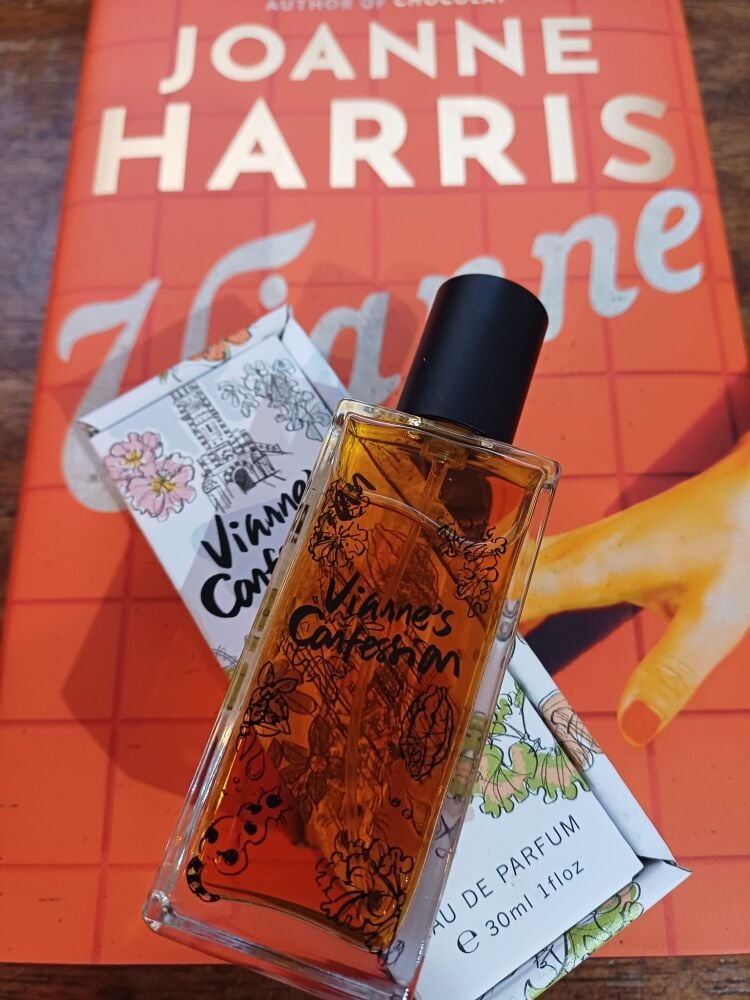


4160 Tuesdays Vianne’s Confession

Plunge headlong into the cobbled streets and gilded shadows of Marseilles in autumn, painted with all the chocolatier’s secrets and soul-searching from Joanne Harris’s Vianne. This isn’t a scent for those who favour sweet treats; instead, Vianne’s Confession is a brooding, confessional blend. Wisps of incense and smoky labdanum marry bitter cacao, rose and geranium, with salt and tomato leaf lending their savouriness. Oakmoss, cypriol and attar mitti (distilled from rich earth itself) root the fragrance in ancient stone and whispered mysteries. The sillage is ‘smoochy’ – a term only fitting for a perfume that seems part velvet, part ritual, all wrapped in moonlit chocolate and literary longing.

£75 for 30ml eau de parfum 4160tuesdays.com
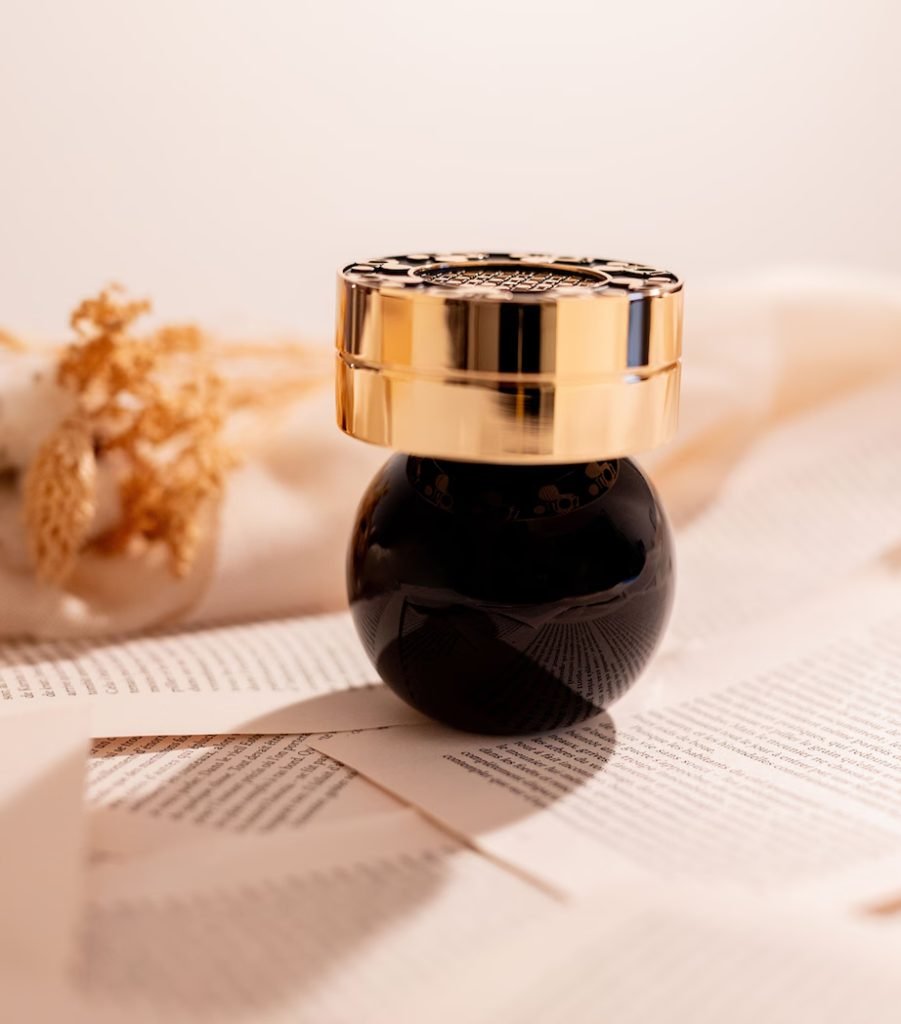


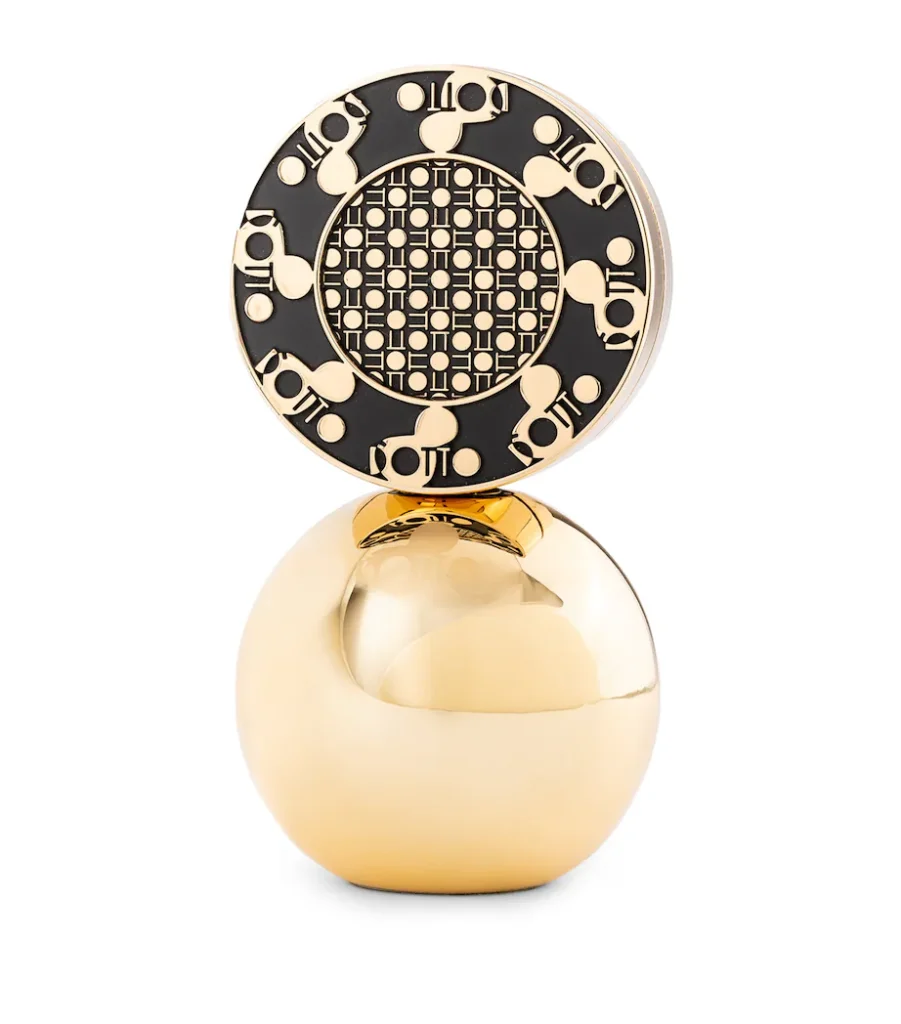
D’Otto 2×4

In true Austenian fashion, 2×4 is less a spritz and more a slow-burn romance between conflicting hearts. Taking its cue from Pride and Prejudice’s Elizabeth and Darcy, each ingredient unfolds like the careful revelation of a well-guarded secret. Wisteria, Indian jasmine, and lily of the valley evoke the freshness of a countryside ballroom in full bloom, while damask rose adds an intimate blush of passion. The heart is an exotic bouquet of Thai orchid, tuberose, ambergris, and cashmeran, echoing the genre’s love for drama beneath decorum. As the novel’s tension deepens, water lily and Mexican tuberose gently melt into a woody, enveloping trail – sensual, enveloping, and designed to linger in memory the way Austen’s prose does.

£245 for 100ml extrait de parfum harrods.com
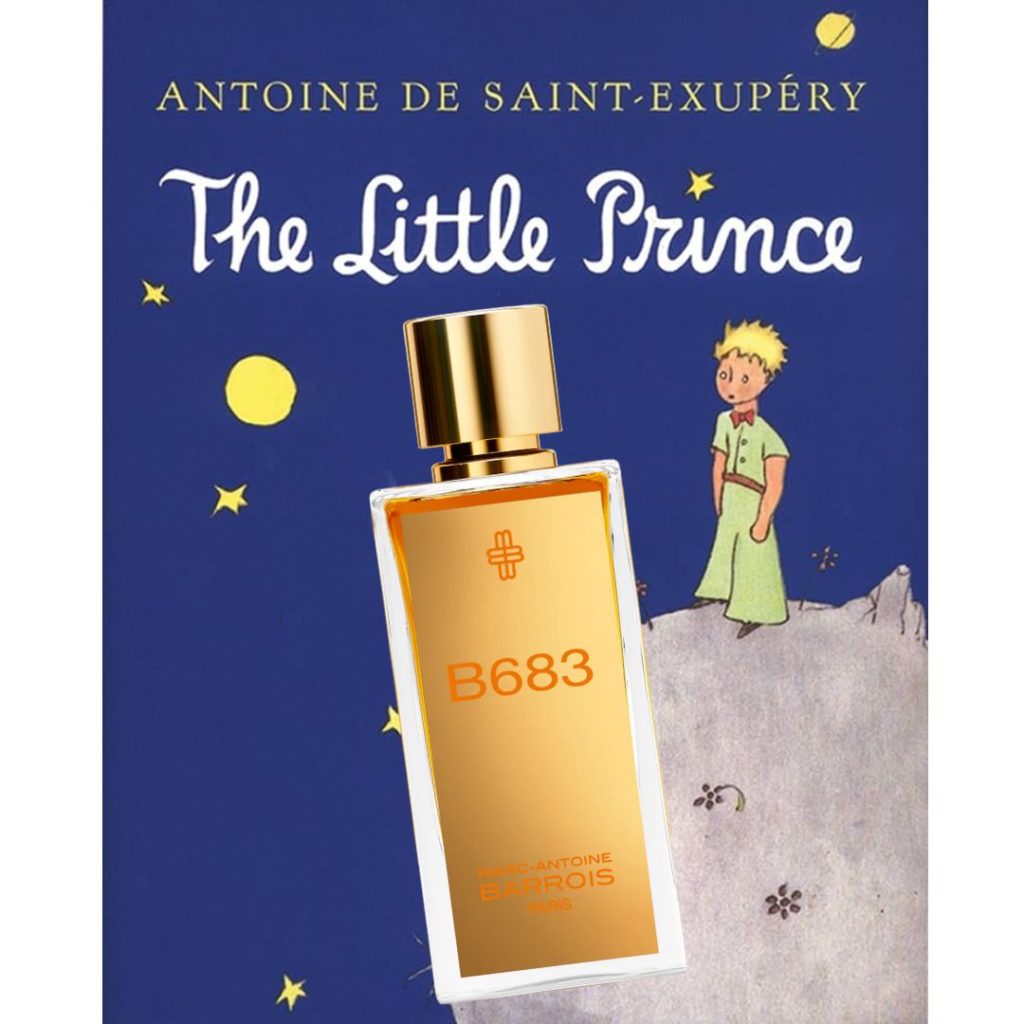


Marc-Antoine Barrois B683

Named for the Little Prince’s mysterious planet and the designer’s birthday, B683 wears the compelling casualness of a true dandy – and with beautiful assurance. Perfumer Quentin Bisch’s modern leather isn’t flashy; it’s the kind you’d trust for a clandestine rendezvous or hang inside a secret writing nook, richly lived-in. Spicy streams of black pepper, saffron, chilli and nutmeg tumble into violet leaf and musk, conjuring the paradoxical thrill of a story’s first page; both restrained and wild. The whole is grounded in sandalwood, patchouli and oakmoss, lending the stability and gravitas of a prized hardback spine. It’s the olfactory equivalent of finding the perfect phrase; quietly spectacular and effortlessly stylish.

£120 for 30ml eau de parfum selfridges.com
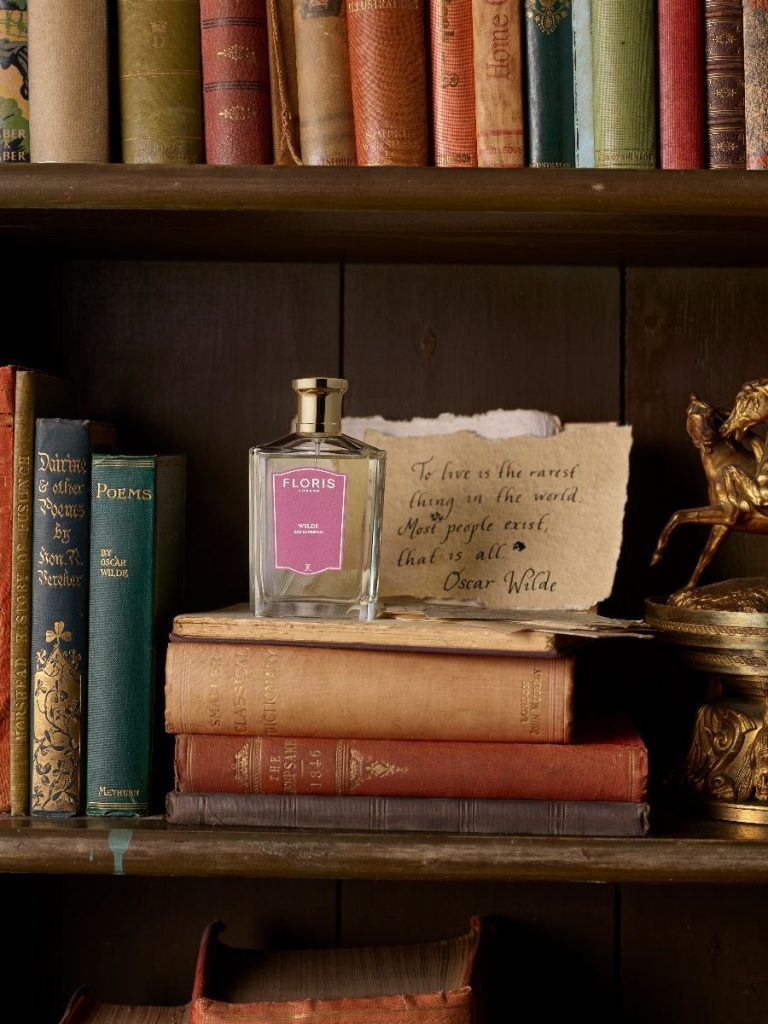


Floris Wilde

Oscar Wilde (a well-known customer of Floris) had a distinct penchant for dandyism and boundary-pushing prose, so artfully rendered in this clever composition. Sparkling bergamot and citrus blossom open with a flourish, just as Wilde himself would enter a room: all charisma and cutting wit. A heart of ginger, green carnation and white jasmine thrums with theatrical passion – for romance, freedom and star-crossed lovers. The base, a warming swirl of sandalwood oil, olibanum and benzoin, cements its decadent legacy. An understated presence disguised in elegant tailoring, Wilde is just as adept at beguiling as a perfectly chosen epigram, a fragrant tribute to living and loving without apology.

£180 for 100ml eau de parfum (also available from £30 for 10ml) florislondon.com



Ghawali Closer Apart

Inspired by the fevered dreams and desires of Gatsby’s Roaring Twenties, Closer Apart is all about obsession and magnetic allure. It opens on a flirty burst of mandarin oil, pear and ginger, as effervescent as a champagne toast in a glittering mansion. The heart throbs with caramel, rose and lavender – think moonlit longing, whispered confessions, and the ache of unattainable love. Cedarwood, ambrocenide and musk wrap things up in delicious warmth, echoing the story’s undercurrent of yearning and complicated intimacy. Wear it and you’ll embrace Fitzgerald’s decadence with every inhale, hopelessly seduced by the tension between closeness and distance.

£175 for 75ml parfum selfridges.com


Written by Suzy Nightingale
Eau de Austen: Regency Perfumery & Modern Interpretations

What fragrance would Jane Austen have worn, we wonder? From delving in to the world of Regency perfumery in England, and exploring the historic houses proudly still thriving today, to exploring a contemporary niche house evoking one of Austen’s most famous heroines, we invite you join us in this fascinating slice of Regency scented reveries.

This year marks 250 years of Jane Austen’s birth, and the Jane Austen Society have a number of fabulous events planned to celebrate. But what perfumes might Jane and her contemporaries (and the characters in the novels) have picked up on a shopping trip in Regency London? You can click on the links to be whisked back in time to explore their brand pages, read their full scented stories and discover some of the original olfactive treats…


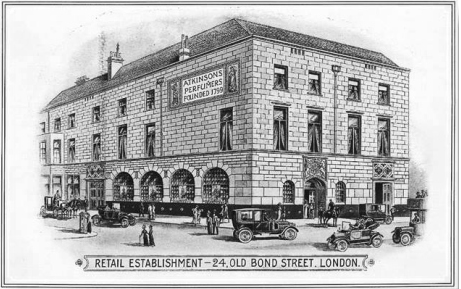
In spring 1799, an enterprising young man named James Atkinson set forth from the wilds of Cumberland for London. In his suit pocket were recipes for fine fragrances and toiletries he’d created himself. And next to him sat a generous amount of rose-scented bear grease balm. (Yes, really.) Even more extraordinarily, next to the balm sat a real, live bear who – so the tale goes – was utterly devoted to James. Mr. Atkinson opened a shop at 44 Gerrard Street, with Atkinsons being referred to as ‘that marvellous perfume shop with the most terrifying bear’. And James’s reputation was made… thankfully with rather more fragrant offerings. In 1800 launching a ‘fearlessly English’ eau de Cologne, which was strikingly different from the Italian-style Colognes: fresh, yes – but warm and spicy, too.


Yardley, too, has a proud (and VERY long) perfumed heritage, and happens to be named Yardley for the similarly feisty woman The firm has its formal roots in 1770, when the soap and perfumery firm known to us as Yardley London was established by the father of a man called William Cleaver. It got its so-familiar ‘Yardley’ name after a young woman called Hermia Yardley (daughter of the wealthy and ambitious businessman William Yardley), married William Cleaver – heir to his father’s soap and perfumery business. Young William persuaded Coutts Banking House to loan the business the sum of £20,000 (astonishing for those times), with his father-in-law as guarantor. When he couldn’t repay the loan, Hermia persuaded her father pay up – and thus, because of Hermia’s determinism and belief, Yardley came to be Yardley…


There’s some interesting snippets of information about Regency perfumery in the always-fascinating janeausten.co.uk, and they mention one of the U.K’s most famous (and still-thriving) perfumeries…


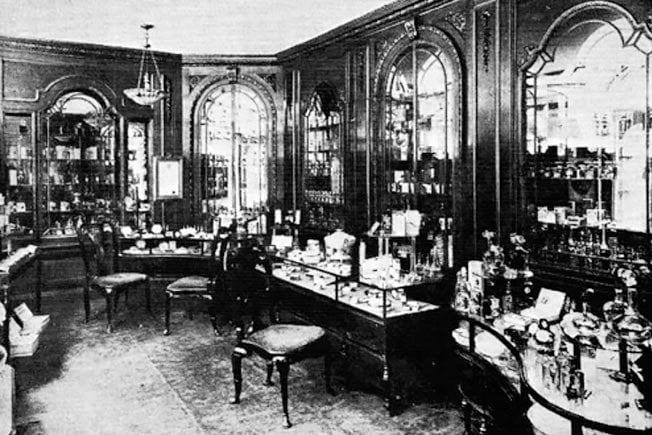
Floris. It’s an extraordinary chapter in British perfumery – even if its founder, Juan Famenias Floris, happens to have been Spanish by birth, travelling to London to seek his fortune. Step inside the shop at 89 Jermyn Street, then, and you are truly stepping into fragrance history. This is a house first founded in 1730, which is still operating out of its original premises, run by members of that same family. Many literary luminaries have graced the shop’s infamous customer ledger [Mary Shelley, author of Frankenstein and wife of the poet Percy Bysshe Shelley, wrote from abroad asking a friend to send in her next care package ‘two hairbrushes and a small toothbrush,’ from the store.] And in 1820 – the very end of the Regency era – Floris received its first of 16 Royal Warrants.

Meanwhile, modern perfume houses are very much infused with the spirit of literary inspirations – a subject we have often referred back to, and will certainly cover again, such is the extent of literature’s olfactory influence.


We were particularly thrilled when the always-creative house of D’OTTO sought scented inspiration in none other than Jane Austen as part of their Harrods-exclusive Literary Collection. [For reviews of the latest two Brontë fragrances by D’Otto, do see our soon-to-be-launched Summer edition of The Scented Letter magazine, and make sure you’re signed up to get your free digital copy as soon as it’s published!]

As D’OTTO explain:

‘The 1×8 Extrait de Parfum draws its inspiration from Jane Austen’s “Emma,” and her iconic quote,“Why did we wait for anything? Why not seize the pleasure at once? How often is happiness destroyed by preparation, foolish preparation!”

1×8 encapsulates the elegance, grace, and intelligence of Emma, the novel’s leading lady. Its lively notes recall the energy and vitality of youth combined with the romance and torment of a young woman as she grows up and her feelings mature.

A drop of this creation offers up lighthearted joy and the desire to discover the world. It is a testament to the irrepressible desire to experience every emotion intensely, with determination, passion, and self-confidence. 1×8 captures the essence of a daring soul, one that does not allow itself to be tamed by life’s challenges…’

Currently £206.50 harrods.com

So, which perfume might you plump for – to join in the costume parties, balls, games and literary gatherings celebrating Jane Austen’s 250th anniversary? (Or, of course, simply to wear when re-reading one of her still-sparkling novels) Might you be tempted by the modern evocation, or also want to explore the historic houses? In the spirit of Emma (and Austen herself), we say: dare to ‘seize the pleasure’ of several!

Written by Suzy Nightingale


Fragrant Winter Tales: Snuggle Up with Perfume Stories

As the winter chill sets in, there’s a delightful European tradition we can all embrace: gifting loved ones books to read on Christmas Eve, paired with cosy new pyjamas and hot chocolate or other delicious treats. This custom of literary indulgence is one we can wholeheartedly get behind, especially as we’re thrilled to see an increasing number of scent-themed books hitting the shelves.


From novels to history books and academic texts, we’ve got loads of other scented reading suggestions – for last-minute gifts, or to fill your own bookshelves, here. But this surge in fragrant literature reflects a growing cultural interest in our sense of smell – a truly exciting development for perfume enthusiasts.To celebrate this trend and help you create your own aromatic reading nook this winter, we’ve curated a list of cosy fragrance-themed books perfect for snuggling up with. So grab your favourite hot beverage, wrap yourself in a soft blanket, and let’s dive into these captivating reads…


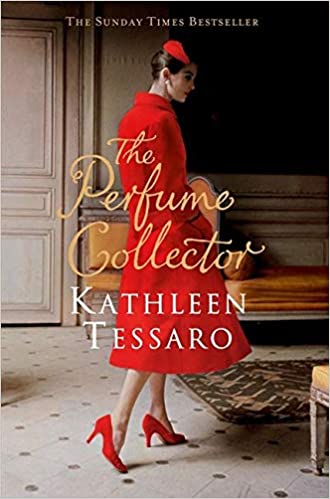
The Perfume Collector by Kathleen Tessaro transports us to the 1950s, where newly-married socialite Grace Munroe’s life is upended by a mysterious inheritance. As Grace unravels the secret history of her benefactor, Eva D’Orsay, we’re whisked through the decadent worlds of 1920s Paris, New York, Monte Carlo, and London. This richly evocative novel explores the intertwining of scent, memory, and desire, as Grace discovers Eva’s role as a fragrant muse who inspired groundbreaking perfumes. It’s a journey of self-discovery that will resonate with anyone who believes in the transformative power of perfume.

From £5.49 on Kindle amazon.co.uk


For those who experience the world through smell, The Scent of You by Maggie Alderson is a must-read. Inspired by the author’s time in The Perfume Society office, this novel follows Polly, a perfume blogger who loses herself in the world of fragrance as her personal life crumbles. With a cast of vibrant characters, including the enigmatic perfumer Guy, this gripping story perfectly captures the solace and passion found in the world of scent. Alderson’s keen observations and immersive writing style make this an ideal cosy read for fellow olfactory enthusiasts.

From £4.99 on Kindle amazon.co.uk


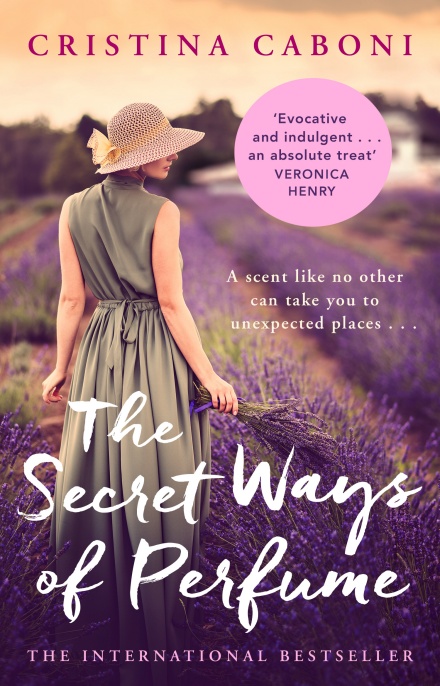
Cristina Caboni’s The Secret Ways of Perfume is a beautiful exploration of scent’s power to evoke memories. Elena Rossini, blessed with an extraordinary sense of smell, embarks on a journey to Paris to escape painful memories and uncover a secret family perfume recipe. This novel beautifully intertwines the art of perfumery with themes of love, loss, and self-discovery, making it a perfect choice for a winter evening’s read.

From £3.57 paperback amazon.co.uk


For those seeking a non-fiction option, A Natural History of the Senses by Diane Ackerman offers an exquisite exploration of our sensory experiences. The chapter on smell delves into fascinating topics like the connection between scent and memory, the complexities of roses, and how our diet affects body odour. Ackerman’s lyrical prose will transform how you perceive not just smell, but all your senses.

From £10.69 hardcover amazon.co.uk


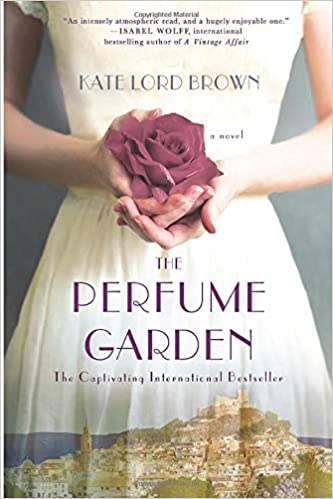
Kate Lord Brown’s The Perfume Garden weaves together two captivating narratives set in modern-day Valencia and during the Spanish Civil War. Following perfumer Emma Temple as she uncovers family secrets, this novel’s vivid sensory descriptions transport readers to sun-soaked Spain. While not exclusively focused on perfumery, it beautifully illustrates scent’s power to evoke memories and emotions.

From £3.57 paperback amazon.co.uk


Lastly, for the adventurous reader, The Scent Trail: A Journey of the Senses by Celia Lyttelton offers a fascinating travelogue tracing the origins of perfume ingredients. Join the author as she explores exotic locales and ancient harvesting techniques in search of components for her bespoke fragrance. This book is a treasure trove of fragrant history and cultural insights that will inspire wanderlust in perfume lovers.

From £15.03 paperback amazon.co.uk

As the pages of these books unfold, let the power of scent transport you to new worlds this winter. Whether you’re curled up by the fire or lounging in bed, these fragrant tales are sure to enchant and delight, proving that the world of perfume is as rich in stories as it is in scents.

Written by Suzy Nightingale

Fragrances for book-lovers: paper & ink

Every day seems a different international celebration of *something*, but this one really resonates with me: National Book Lovers Day. Being a self-confessed book-sniffer, and a regular frequenter of bookstores and libraries, I happen to celebrate this particular every day, it’s so wonderful to see the world of fragrance similarly obsessed, in olfactory form…


The smell of paper – old and mysterious or newly seductive – is a huge part of our emotional intelligence, our interconnectivity, with scent and memory combined. In those ancient library type fragrances (which I still absolutely adore) it’s often the combined smell of crumbling leather bindings, dust and polished wooden tables that conjure a feeling of being in a particular space. But the smell of paper itself needn’t always be musty.


We might be in a shiny new bookshop, or have just cracked the spine of a sensorially satisfying weighty magazine. The paper might be that of an artist, awaiting the stroke of a brush, or of a writer’s virgin sheet, greedily thirsting for the first drop of ink.

And while we’re on the subject of books and fragrance, don’t forget to check out our extensive library of book reviews for fragrance fans – we’ve suggestions for everything from novels and poetry inspired by scents, to tomes explaining the history and science of fragrance and our sense of smell. Fill your bookshelves with Fragrant Reads!


In the meantime, there’s several scents to choose from that take paper and ink as their inspiration. Which of these might make your ‘must-smell’ list…?


Diptyque L’Eau Papier

A blank sheet, a pen, ink, ideas: the starting point for this perfumed masterpiece by Fabrice Pellegrin. Conjuring diluted ink and artistic brushstrokes, powdery mimosa and white musks are mistily ethereal, while a rice steam accord builds the textural sense of paperiness, and roasted sesame the ink-soaked pages.

From £129 for 100ml eau de toilette libertylondon.com


Commodity Paper (Personal)

Achingly soft, especially in the ‘Personal’ (most hushed) version, this suggestively whispers of stationery, passing a letter to someone, your fingertips barely brushing, but a gesture that says so much. The molecular wonder of ISO E Super sighs to skin’s warmth, an amber trail that lingers long after you’ve finished the book.

From £130 for 100ml eau de parfum sephora.co.uk


Montblanc Patchouli Ink

Fabrice Pellegrin (clearly a fellow bibliophile!) creates a perfect expression of the ink free-flowing from the sublime craftsmanship of Montblanc’s heritage fountain pens. The patchouli feels richly liquid, instead of the more earthy form it can take in other fragrances; here seamlessly melding ink, paper, and passion.

£125 for 125ml eau de parfum harveynichols.com


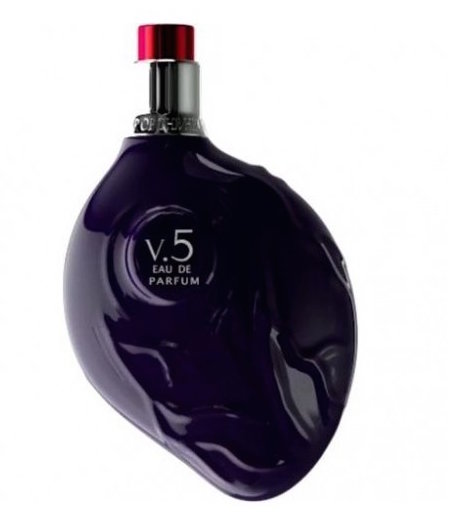
Map of the Heart Purple Heart V 5

Inverting the traditional perfume ‘pyramid’ of notes, we plunge straight into darkness with bittersweet black cherry and plum lapped by salty purple roses and liquorice. Deep violet begins to soar, a brightness softened by the soft almond-like powderiness of tonka beans then swathed again in the darkest of inks. It really tells a tale on the skin…

£175 for 90ml eau de parfum mapoftheheart.com


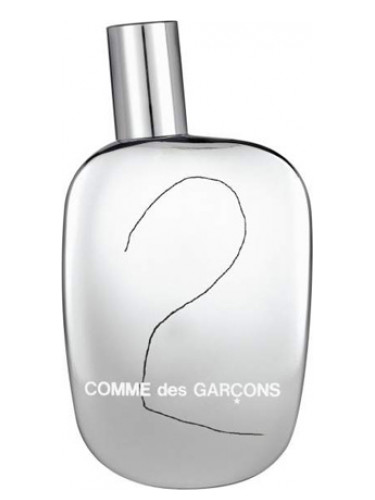
Comme des Garçons 2

Mark Buxton used headspace technology to capture and reproduce the scent of Japanese ink for this lovely play of light and shadow in a fragrance. There’s a sense of cold air from aldehydes and juniper, and drifts of incense with that liquid inkiness, emphasised by labdanum, cedar and shadowy pools of vetiver.

£110 for 100ml eau de parfum libertylondon.com


Written by Suzy Nightingale


Fragrant Reading for Holidays (& Long Weekends): Secrets of the Lavender Girls

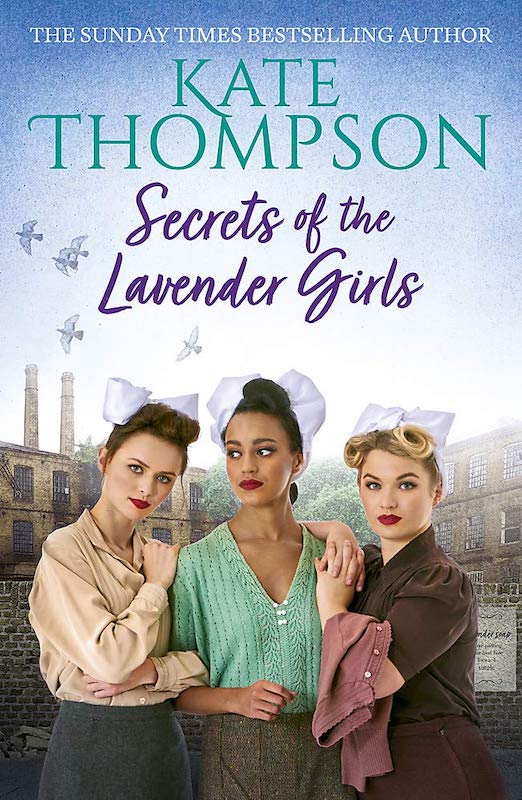
For the Bank Holiday (or any travelling you might be doing in the next few weeks) we’d love to suggest you browse our brilliant Fragrant Reads shelf of scent-themed tomes. There’s truly something for every taste! But this weekend we’re sitting back and relaxing with a novel: Secrets of the Lavender Girls.

Let’s take a deeper dive into the fascinating fragrant backstory behind its creation (and the true story that inspired it…)


In the book, author Kate Thompson tells the tale of the women who worked at the Yardley factory during the war. But it turns out some of the stories she discovered during her research were even more incredible…


‘I love archives and libraries,’ Kate Thompson shares on her Facebook page. ‘Carefully untying the cream ribbon of an old file and catching the scent of 80-year-old dust motes is a thrill. More than once I’ve found hours can slip away leafing through yellowed newspaper reports and witness accounts from the Second World War in the silence of a reading room…’

Revealing her passion for research, and the extraordinary stories she found during her time writing The Secrets of the Lavender Girls, Kate says that ‘nothing beats what historians calls ‘Primary Sources’ and what I prefer instead to call ‘Magnificent Women’.’


The utterly charming novel follows the fragrant history of Yardley, and the remarkable stories of the women who worked there. Though a fictional account, Kate’s genuine fondness for the real life women she found (and who shared their tales with her) truly shines through.

Unravelling the stories of the real-life women who worked at Yardley during the war, she received ‘a beautiful handwritten letter in the post.’

‘I was a wartime lavender girl, I read about your book in a magazine,’ wrote Joan Osborne. ‘Yardley was the most wonderful years of my life. I am now 91.’

The letter was from Joan, who’d desperately wanted to work at Yardley, telling Kate: ‘It must have been the glamour. I remember travelling from Stratford to Ilford on the bus and the conductor opening the window so everyone could smell the lavender blowing from Yardley. Carpenters Road, or Stink Bomb Alley was famous for its smells. Seven different types of air flowed down there depending on which way the air was blowing. I can still smell the lavender,’


Kate learned Joan was sent to work in the top floor perfumery department where she was given a broom to sweep the floor. ‘I thought, “I haven’t come here to sweep floors” so they moved me to bottle-filling where I was putting the skin and caps on bottles. They were losing so many girls to the services I don’t think they wanted to lose anymore, so they kept me sweet. I earned eighteen shillings and something a week and my clocking in number was 157. I’ve still got the card.’


‘They were dangerous times, especially when the flying bombs started up, but being young I didn’t think that much about it. I was more upset by how cold it was in the factory, the heating was rarely on and we were always freezing. They used to give us cups of Oxo to warm us up. Least the room always smelt lovely from the lavender, freesia and April violets perfume.’


You can read more of the remarkable back-story of Joan and her fellow Yardley girls in Kate Thompson’s touching reflections on researching the book. But we cannot urge you enough to go and buy the book itself – and even better, read it while wearing one of Yardley’s classic fragrances (still proudly in production!) for an extra fragrant waft of history.


P.S: There’s a stunning FULL SIZE Yardley scent of English Rose included in our recently launched Discovery Box, The Garden of Delights. A blooming marvellous collection for only £23 / £19 for VIPs, which we know you’ll also love exploring to make the most of these last days of summer, too…

Written by Suzy Nightingale

Richard E Grant explores Süskind’s Perfume novel

Richard E. Grant explores the world of Süskind’s Perfume novel in episode 2 of his new BBC series, Write Around the World, and we think you’ll be captivated by his so-evocative scent journey…

‘I’ve been led by nose all my life,’ says Richard. ‘When I was 12 years old I tried to make a perfume with gardenia and rose petals – to impress a girl I was madly in love with, called Betty Clapp. It took me 56 years to create my own professional perfume brand here in Grasse.’ He’s there for part of his wonderful new BBC series, Write Around the World, traversing those places that have inspired iconic writers through history – Grasse being the perfume capital of the world and the setting for one of Richard’s favourite books: ‘Patrick Süskind’s Perfume novel… the best description of scent I’ve ever come across, and reading it is almost a physical experience.’


The BBC say: ‘Book and travel lover Richard E Grant journeys to southern France, visiting the Cévennes mountains, Marseille, Juan-les-Pins on the French Riviera and Grasse in the hills north of Cannes, in the footsteps of writers inspired by the country, its culture and history.

Reading key passages from their books as he goes along, including works by Robert Louis Stevenson, Alexandre Dumas, F Scott Fitzgerald, Elizabeth David and Patrick Süskind, Richard not only learns about the lives of these great authors, but also experiences many of the places immortalised in the literary classics they created.’

Richard’s own fragrant journey led him to the brilliant perfumer Alienor Massenet. She garlanded his original idea (and favourite flower) of gardenia with marijuana (a nod to his film, Withnail and I), mandarin, vetiver and a plethora of spices, with a sophisticated, cologne-like zing of lime up top, capturing all Richard’s favourite smells in an intensely personal ‘signature’ scent. That fragrance is now immortalised as Jack – the first of the synonymous collection, and a scent which succeeded in winning the Fragrance Foundation Award for Best Independent Fragrance in 2015.


In the episode Richard wanders through Grasse with obvious delight, his nose veritably twitching as he sees (and smells) the places described in the novel, even having a fragrance created for him at the historic house of Galimard, which he names for Grenouille, the novel’s protagonist. Little wonder, given his scent obsession, that Richard went on to add three other fragrances to his collection, which you can explore in our page dedicated to the house of Jack.

‘Our sense of smell is the shortest synaptic leap in the brain to our memory,’ says Richard, ‘and every one of these ingredients is like a sensory trigger. I’ve aspired to create a fragrance that is as lickably moreish as it’s addictive.’

For a fragrantly inspiring journey of your own, we suggest watching the episode, reading Patrick Süskind’s Perfume (if you’ve not already, you’re in for a treat!), and then truly indulging your sense of smell by exploring the full range of Jack fragrances…

 By Suzy Nightingale

Your scented summer reading list

If you can’t get away this year, at least we can enjoy planning a scented summer reading list. Have a look at what’s on ours… Now the weather’s playing nicely we can finally plan some outdoor activities, chief among which, for us, includes sitting in the sun (slathered in SPF, obvs) with a good book.

We’ve whole shelves full of Fragrant Reads and perfume-themed books for you to peruse, but here we’ve selected some favourites to entice your senses while (hopefully) finding time to relax in the sunshine this summer….


The Perfume Collector by Kathleen Tessaro [Harpercollins] waterstones.com

A novel after our own hearts (and noses) this ‘richly evocative tale is a ‘secret history of scent, memory and desire’ and begins in the 1950s with newly-married socialite Grace Munroe’s life being turned upside down by the arrival of a mysterious letter, naming her as the beneficiary of a woman called Eva D’Orsay, who, it turns out, was the darling of high society and a fragrant muse for perfumers in the 1920s. The journey of discovery leads Grace to the heart of the perfume world, travelling to Paris and exploring the life and death of this shadowy benefactor. Traversing decadently through the decades in New York, Monte Carlo, Paris, and London, as Grace finds out more, and indulges her own senses, she will be changed forever when forced to choose between the image of what society experts of her, and who she really is…


The Secret Ways of Perfume by Cristina Caboni [Black Swan imprint] foyles.co.uk

Granted a rare gift of a superior sense of smell, Elena’s passion for perfume has been passed down through generations of her family; but it’s a power that can all too often overwhelm her, as this ability means painful memories about her mother are carried on the breeze, and so she can never truly escape her past. When a betrayal destroys her dreams, fragrant events are set in motion when Elena’s best friend invites her to Paris, and she grabs at the chance to start afresh. Lured by the landscape, immersing herself in the world of scent once again, the ancient art of composing perfume beckons our protagonist. Searching for a secret recipe within her family’s historic archives, Elena’s new goal becomes the replication of a composition noone in her family managed to master. Having met a man who’s harbouring his own clandestine past; before long, she’s following the scent trail to discover all manner of mysterious. Because, ‘Remember Elena, perfume is the truth. The only thing that really counts. Perfume never lies, perfume is what we are, it’s our true essence…’


A Natural History of the Senses by Diane Ackerman [Vintage Books] amazon.co.uk

The title doesn’t do this justice: Ackerman’s writing is poetically exquisite and immediately evocative – exploring and explaining not just the sense of smell, but all the senses. In the first chapter – Smell – she looks at scent and memory, at roses, at sneezing, at the way our health (and what we eat) impacts on our body odour. Something to read that shakes the very foundations of how you’ll look at smell and fragrance. Although this book is over 20 years old, it’s timeless and deserves to be read by anyone with even a passing interest in smell and how it relates to our everyday lives. Thumbing through this (which we have a hunch you will do, many, many times over the years), you’ll learn answers to questions you never knew you had, and though of course we wish it was ALL about smell, with ‘dissertations on kisses and tattoos, sadistic cuisine and the music played by the planet Earth…’ think of the other four chapters as simply a gift with purchase that will similarly engage all your senses.


The Scent of You by Maggie Alderson [Harper Collins] waterstones.co.uk

‘I experience the world through smell – I always have’ it begins,  and we couldn’t agree more. Maggie was inspired to write this novel by spending time in our own Perfume Society office, attending launches and meeting perfumers, learning the history of perfume and developing a burning passion for it along the way. Central character, Polly, is a perfume blogger who loses herself in the world of fragrance while her own world falls to pieces around her – something many of us can empathise with. We love the fact Maggie was inspired to name her after falling madly for Vilhelm’s perfume, Dear Polly, and that she even created a blog and Instagram account for Polly to share her perfume reviews. Polly, having grown up surrounded by the beautiful perfume bottles of her ultra glam (ex-model) mother, and learning to explore the world by sniffing ‘…everything!’ she is now distracting herself with, among other things, ‘Guy, the mysterious, infuriating and hugely talented perfumer.’ We’re rather wondering who this may have been based on, as that description doesn’t sufficiently narrow it down…


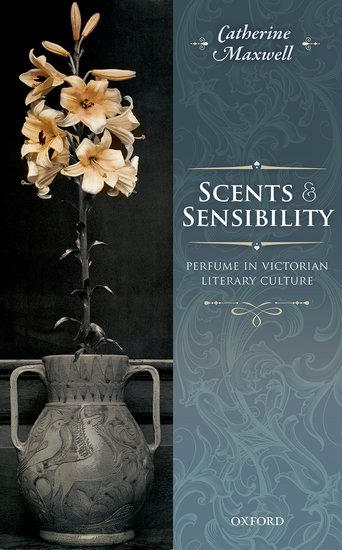
Scents & Sensibility: Perfume in Victorian Literary Culture by Catherine Maxwell (OUP) blackwells.co.uk

Gathering the fragrant thoughts of luminaries from Oscar Wilde to H.G. Wells, don’t be put off by the scholarly look – it’s a sumptuous plunge that presents perfume as a character in its own right. And it will spark a whole new ‘must read’ list! Did you know that Victorian ladies were warned off wearing tuberose in case it caused involuntary orgasms, so headily narcotic was the aroma? Read about this and more in Perfume Society VIP subscriber Catherine Maxwell’s fascinating book, which also features the astonishingly scathing observations of Virginia Woolf, quoted from her diaries, on women who wore too much perfume. What she has to say about fellow author Katherine Mansfield’s chosen fragrance is one of the shadiest things we’ve ever read!

By Suzy Nightingale

Are you ready to escape in The Perfume Garden…? We’ve found a perfect scent-themed book for spring

The Perfume Garden by Kate Lord Brown might just be the perfect book to escape with (seeing as we still can’t travel very far). We’ve only recently discovered it and, of course, immediately added it to our Fragrant Reads bookshelves. Now, here’s why you should read it, too…

‘I understand why creating a perfumer protagonist is catnip for novelists,’ says Angela in her pithy review on the Now Smell This blog. ‘Perfume is glamorous, and the art of creating fragrance holds more mystery than, say, playing the cello. But so many novelists butcher perfumery. Often they portray noses as bloodhounds who can sniff a sprig of mint down the block, but they ignore the heart of creating a perfume — beautiful, effective composition.’

Mercifully, she notes, ‘Kate Lord Brown avoids this pitfall.’ Adding: ‘Thank you, Brown, for not spending paragraphs having your perfumer heroine wax on about the smell of a carrot that was raised in a field fed by spring water run off through alfalfa fields where a gassy Doberman frolicked.’

We have all, I am sure, read (and raised eyebrows at) books like that, or films that overly romanticise what remains, after all, an exact science. Then again, don’t get this book expecting it to be a faithful reconstruction of how a perfumer works.  The main protagonist here, Emma, being a perfumer is more like one of many ingredients rippled through a fragrance, than the entire composition itself. Instead, the pleasure of reading this novel comes from its dreamy, evocative descriptions and the clever weaving together of two stories.


One story is set in the modern day, just after Emma simultaneously loses not only lost her mother, who was also a perfumer, but the father of her child at the same time. She travels to an abandoned house her mother owned in Valencia, and in renovating it, discovers all manner of disturbing family secrets revealed in the flashback portion of the book, set during the violence of the Spanish Civil War. Interspersed throughout is the sense that the author is fully in tune with her own senses – who understands that taking time to describe a smell not only helps evoke a place, but adds another emotional connection for the reader. At one point, Emma tries to think of a particular fragrance ‘like a half-remembered melody she couldn’t sing’ and imagines the fragrance she would like to make of her time in Spain; writing a list as inspiration:

‘The seduction of white flowers
Woodsmoke and saffron
Lavender mountains, cranberry sunsets
Blue domes
Lemon trees
Floating bridges
Immense night skies pricked with stars.’

Yes please, sign us up for a bottle! The rest of the novel is similarly lush, and should really be enjoyed in the garden, preferably on a sunny days with a glass of something cold, and hopefully sitting somewhere near a heady honeysuckle or fragrant blossom to immerse yourself in glorious scents as you read. It might not be the most detailed description of a perfumer’s work, but it’s a romantic – heartbreaking at times – engaging tale of a house giving up its secrets and the way scent weaves its own tale in all of our lives.

By Suzy Nightingale

Forage – Stop to smell the flowers… then eat them, too?

Forage for your food, lately, or too scared to pick your own? There’s a whole world of edible plants growing around us, but if the closest you’ve ever been to foraging for food is scrumping apples (or more recently, scrabbling at the red-stickered items in your supermarket’s Reduced section), you need this beautiful book…

Yes, it’s another book we’ve eagerly added to our Fragrant Reads shelves, but although the publishers of Forage: Wild Plants to Gather and Eat say ‘Anybody can enjoy the increasingly popular back-to-nature activity of foraging’, the truth is, very few of us feel confident enough to start picking some of the foliage we see on our daily walks. Thanks to author Liz Knight’s clear descriptions, and the stunning botanical illustrations of Rachel Pedder-Smith, the identification is made far easier and reading this, you’ll really feel encouraged to explore and diversify with wild ingredients.

What’s more, it’ll certainly make you look at flowers in a different way. From honeysuckle cordial (which sounds like something the fairies would drink in A Midsummer Night’s Dream), pickled cherry blossoms, linden leaf madeleines, dandelion petal cake to damson and rose petal preserves, the accompanying recipes sound like a feast for all the senses.


Forage: Wild Plants to Gather and Eat by Liz Knight, illustrated by Rachel Pedder-Smith [Laurence King Publishing]
Buy it at Waterstones

There’s such an elegant and understated confidence to Forage, and no wonder – Liz has a wealth of experience, having spent years learning the ways of foraging, founded Forage Fine Foods – a business she runs from her kitchen in rural Herefordshire – where she teaches courses on foraging and cooking wild ingredients, and also sells some delicious foodie finds. You may also have seen her appearing on the eight-part series of Channel 5’s Escape to the Farm with presenter Kate Humble. But if you’ve the idea that Liz was born in the bosom of the country and learned such skills at her mother’s knee, it certainly didn’t come naturally.


‘I grew up in normal street in a normal town just outside London,’ says Liz, and it turns out she gradually grew to love freshly picked food having tasted the tomatoes from a neighbour’s greenhouse, and later, worked in care homes and talked to the older residents. Explains Liz:

‘These people knew food; they taught me how to make butter, what cuts of meat to buy and how to cook it, what leaves to nibble on and what food should really taste like…Thanks to them I got a fire in my belly about the wild, wonderful food of Britain and that fire turned into Forage.’

Nowadays we’re becoming used to seeing ‘foraged food’ celebrated on menus of fine dining restaurants, but really Liz wants everyone to feel confident enough to try their hand at picking ingredients growing wild locally. Because Liz’s life now truly is spent searching the local hedgerows in search of scrumptious finds, and we’re sure reading this book will sew some more seeds of the passion for foraging. Now you won’t only want to stop to smell the roses (and wild cherry blossom, linden trees, honeysuckle, gorse…) but eat them (once safely identified!) too.

By Suzy Nightingale

Sensehacking – professor Charles Spence reveals ‘How to Use the Power of Your Senses’

Sensehacking is the just-published book by professor Charles Spence, and the tantalising subtitle – ‘How to Use the Power of Your Senses for Happier, Healthier Living’ – suggests we can all make use of these hidden super-powers…

We’re adding SO many great books to our Fragrant Reads section, lately (and might have to add more bookshelves soon!) and this latest is particularly exciting. ‘How can the furniture in your home affect your well-being? What colour clothing will help you play sport better? And what simple trick will calm you after a tense day at work?’ These are the questions posed (and answered) by Oxford professor Charles Spence – an expert on the senses who we’ve seen speak at IFRA Fragrance Forums over the years, and whose research has often sparked or informed many fragrant features of our own. As head of the Crossmodal Research Laboratory, Spence focuses on how our senses often overlap – sometimes very confusingly – and this book aims to demonstrate how ‘…our senses change how we think and feel, and how by ‘hacking’ them we can reduce stress, become more productive and be happier.’

Exploring how our senses are constantly stimulated – in nature, while in the workplace, at home or while we play – Spence splices his cutting-edge scientific research with practical examples of how we can use this knowledge to our benefit. For example, now we’ve all been constrained due to the global pandemic, Spence drives home the point of how beneficial going out for a walk can be, for our mental health perhaps even more than physically. In the Garden chapter, he cites how even ‘Two thousand years ago, Taoists in the Far East were already advocating in print the health benefits of gardening and greenhouses.’ And recent studies have revealed those who regularly spend time in quiet contemplation on a woodland walk – a practice known in Japan as shinrin-yoku, or ‘forest bathing’ – ‘…exhibit lower stress levels as well as an enhanced immune response.’


Sensehacking forest bathing walking nature woodland smell photo by FreePik


There’s some fascinating sections on how we’re ‘led by the nose’, too. Ask most people about how they think large corporations try to entice us with smell and many will say something about supermarkets and the ‘fake’ but tempting waft of freshly baked bread. Spence reveals that no research is available on this subject – ‘It’s not that the research hasn’t been done, you understand, for it most certainly has. It is just that the supermarkets have chosen not to share their findings.’ But at least that baked bread smell is ‘unlikely to be artificial’ he explains, because ‘the delectable smell of freshly baked bread is one of the aromas that, at least until very recently, chemists struggled to imitate synthetically.’

From the tricks of ‘Subliminal seduction’ and ‘Multisensory shopping online’, the way are senses are appealed to and why we find certain things/people/experiences more appealing than others, to what the future holds for ways we can hack our senses; it’s certainly a thrilling read. And will provide you many ready answers to the inevitable questions we fragrance-lovers always get: ‘Why are you so obsessed with perfume? Doesn’t it just smell nice, and that’s it?’ Well, we’ve always known there’s far more to it than that, and now you can recommend this book for any olfactory nay-sayers you might meet…


Sensehacking: How to Use the Power of Your Senses for Happier, Healthier Living by Charles Spence (Viking Books)
Buy it at WHSmith


By Suzy Nightingale