Muguet for May Day

There are few notes in perfumery as quietly evocative as muguet—lily of the valley. It arrives not with drama, but with a soft-focus luminosity: dewy petals, cool morning air, a suggestion of green stems snapped between the fingers. Smelled in nature, it is fleeting and elusive; in fragrance, it becomes a carefully composed illusion, one of the most poetic accords in the perfumer’s palette.

Muguet cannot be extracted in the traditional sense. Its scent is too delicate to yield an essential oil, so its presence in perfume is an act of artistry rather than capture. Perfumers build it molecule by molecule, weaving together materials like hydroxycitronellal, lilial (historically), and newer muguet bases to recreate that unmistakable freshness—clean yet floral, airy yet persistent. The result is less a literal flower and more a memory of one.

Its character sits at a beautiful crossroads. There’s a watery transparency that feels almost like light through glass, paired with a gentle sweetness that never tips into excess. This makes muguet incredibly versatile: it can brighten a bouquet of white florals, soften aldehydic structures, or lend lift to green and citrus compositions. In many classic fragrances, it acts as a bridge, connecting sparkling top notes to a more grounded heart.

Emotionally, muguet carries associations of spring’s first breath. It suggests renewal, innocence, and quiet optimism. Perhaps that’s why it has long been linked with rituals and celebrations—moments that call for something refined yet joyful. In scent, it offers a kind of elegance—contained and refined.

Modern perfumery continues to reinterpret muguet, pairing it with unexpected textures—creamy musks, mineral notes, even subtle woods—to explore new facets of its personality. Yet its essence remains unchanged: a study in lightness and restraint.

To wear muguet is to embrace subtlety. It invites closeness, revealing its beauty in soft waves. Like the tiny bell-shaped flowers themselves, it reminds us that delicacy can be powerful, and that sometimes it is the delicacy that creates the most memorable scents.

Dior Diorissimo, launched in 1956, remains the definitive lily of the valley fragrance. Airy, green and delicately floral, it captures muguet with remarkable clarity. Soft yet radiant, it feels timeless—an elegant whisper of spring that still enchants with its purity and understated charm.

£125 for 100ml eau de toilette theperfumeshop.com

Penhaligon’s Lily of the Valley, launched in 1976, offers a fresh, verdant take on lily of the valley. Crisp green notes mingle with soft florals, creating a bright, airy composition. Light yet charmingly traditional, it evokes springtime gardens with an unmistakable sense of English refinement and gentle nostalgia.

£145 for 100ml eau de toilette selfridges.com

Acqua di Parma Lily of the Valley, launched in 2021, reimagines lily of the valley with a sunlit Italian touch. Sparkling citrus and soft white florals frame the muguet heart, while musk and cedar add gentle warmth. Elegant yet modern, it feels like spring filtered through Mediterranean light—fresh, refined and quietly radiant.

£257 for 100ml eau de parfum harveynichols.com

Modern Vanilla Fragrances

Vanilla has long outgrown its reputation as the “safe” note of perfumery. Once shorthand for sweetness alone, today it reveals a far more nuanced personality—creamy yet woody, smoky yet airy, indulgent yet unexpectedly modern. In the hands of skilled perfumers, vanilla becomes less a dessert and more a texture, a mood, even a quiet statement.

What makes vanilla so captivating is its versatility. Natural vanilla absolute carries facets of spice, leather, and even a whisper of darkness beneath its familiar warmth. This complexity allows it to move seamlessly between fragrance families: adding depth to florals, softness to woods, and a comforting glow to ambers. It can be the star of the show or the invisible thread tying a composition together.

Modern vanilla fragrances often play with contrast. Think of vanilla paired with salty notes, where sweetness is sharpened into something almost mineral. Or blended with incense and resins, transforming it into something meditative and smoky. Some compositions strip it back entirely—sheer, skin-like vanillas that feel like a second layer rather than a statement scent.

There’s also an emotional resonance to vanilla that’s hard to ignore. It evokes familiarity without feeling predictable, offering a sense of comfort that doesn’t overwhelm. Perhaps that’s why it remains a perennial favourite: it adapts to the wearer as much as to the composition itself.

If you’re exploring vanilla, it’s worth stepping beyond the obvious. Seek out interpretations that surprise you—green vanillas, woody vanillas, even those that lean almost savoury. Because in contemporary perfumery, vanilla is no longer just a note. It’s an experience, quietly evolving on the skin and revealing its many facets over time.

Diptyque Eau Duelle edp

Diptyque Eau Duelle EDP is a refined “green vanilla”—airy, spiced, and quietly smoky. It avoids sweetness, blending tea, incense, and woods into a soft, elegant scent. Intimate and versatile, it feels like a calm, sophisticated take on vanilla rather than a gourmand treat.

£170 for 75ml eau de parfum libertylondon.com

BDK Vanille Caviar offers a rich, woody-spicy vanilla—dark, resinous, and slightly mineral. Cocoa, balsams, and cardamom add depth, balancing sweetness with warmth. It feels luxurious, textured, and sensual, a sophisticated vanilla that leans more ambery and atmospheric than overtly gourmand.

£176.30 for 100ml eau de parfum 50-ml.co.uk

shay & blue salt caramel 100ml

Shay & Blue Salt Caramel is a cozy salty-vanilla gourmand—rich caramel softened by tonka and sandalwood, with a distinct sea-salt edge. Less sugary than expected, it feels warm, slightly savory, and comforting, like caramel drifting through ocean air.

From £25 for 10ml eau de parfum shayandblue.com

Ataratma: Ancient Sensibilities, Modern Luxury

There’s a quiet shift happening in modern perfumery—one that turns away from excess and spectacle, and instead leans into meaning, ritual and emotional resonance. Few brands capture this mood quite like Ataratma, whose fragrances feel less like accessories and more like intimate, scented meditations.

From the very name—drawn from Sanskrit, combining attar (scent) and atma (soul)—Ataratma signals its intent: perfume as something deeply personal, even spiritual. And indeed, this is where its creative heartbeat lies—in the rich, layered traditions of Indian culture.

India’s relationship with fragrance is ancient, sensual and sacred. Long before the atomiser, there was attar: hand-distilled oils crafted from flowers, woods and spices, often used in rituals, healing practices and daily adornment. This heritage permeates Ataratma’s compositions, where notes like sandalwood, rose, vetiver and incense aren’t simply ingredients—they’re cultural echoes. They speak of temple smoke curling into the air, of monsoon-damp earth, of garlands woven for celebration.

But Ataratma doesn’t recreate tradition—it translates it. Each fragrance is built around an intention, a concept deeply rooted in Indian philosophy: Ananda (joy), Kama (love), Zakra (strength), Atma (spiritual balance). This idea—that scent can shape emotion—draws directly from Ayurvedic principles, where botanicals are believed to influence both mind and body. The result is a collection designed not just to smell beautiful, but to feel transformative.

There’s also a tactile, visual poetry to the brand. Bottles are adorned with chakra symbolism and colour palettes inspired by ancient scriptures, reinforcing the connection between fragrance and energy. Wearing one becomes a small ritual—an act of alignment in an otherwise hurried world.

Yet, what makes Ataratma especially compelling is its duality. While its soul is unmistakably Indian, its craftsmanship is rooted in the traditions of Grasse, the historic heart of French perfumery. This interplay—between East and West, ritual and refinement—creates fragrances that feel both grounded and luminous.

In a landscape crowded with fleeting trends, Ataratma invites us to slow down. To apply fragrance not as a finishing touch, but as a beginning. A moment of pause. A breath. A return to self.

Because sometimes, the most modern luxury is not something new—but something ancient, remembered.

Powdered iris drifts like silk through Ataratma’s Orris Nirvana—soft, meditative, quietly addictive. Rooted in Indian soulfulness yet feather-light in execution, it’s a scent that whispers rather than declares, lingering like a serene, beautifully private moment.

Golden and quietly incandescent, Ataratma’s Shakti Saffron wraps spiced warmth in a soft, meditative glow. Saffron shimmers against creamy woods, evoking ritual and radiance—an intimate, slow-burning scent that feels both grounding and gently, irresistibly uplifting.

Creamy, cocooning and softly radiant, Ataratma’s Smitam Santal glows with serene sandalwood warmth. A gentle smile in scent form—milky woods, subtle spice and a meditative hush that lingers beautifully on skin, intimate yet quietly reassuring.

More on Ataratma and their full range of fragrances can be found on the Ataratma brand page

To The Moon… And Back

There are moments when science and imagination entwine so seamlessly that they feel almost perfumed with possibility. The Artemis II mission — humanity’s great arc around the Moon — is one such moment. A voyage not of landing, but of circling, observing, feeling. It invites us to ask an unexpected question: if space had a scent, what would it be?

Astronauts have long described the smell of space as metallic, electric, faintly smoky — like hot circuitry or seared air. Yet here on Earth, perfumers translate the unknowable into something we can wear, something intimate. And in doing so, they give us a way to travel without leaving.

Marc-Antoine Barrois B683 feels like the spacecraft itself: sleek, engineered, quietly powerful. Its metallic facets and spiced leather evoke polished instruments and the hum of controlled propulsion. There is a coolness here, but also a human warmth — the reassuring presence of those inside the capsule, carrying curiosity beyond gravity.

From £120 for 30ml eau de parfum selfridges.com

Creed Delphinus drifts in like the vastness beyond the window. Airy, luminous, almost mineral, it suggests the silence of space — not empty, but expansive. A scent that stretches, like starlight travelling for millennia, softly glowing yet infinite.

Orange bottle of Delphinus by Creed

£330 for 100ml eau de parfum libertylondon.com

Strangelove Fallintostars, which captures the romance of the cosmos. There is something narcotic and glowing about it — as if stardust itself had been warmed on skin. It speaks to the emotional pull of Artemis II: not just exploration, but wonder. The feeling of looking back at Earth and seeing it anew.

£760 for 100ml eau de parfum harrods.com

The Strangelove discovery set includes fallintostars

Goldfield & Banks Mystic Bliss offers a different dimension — the surreal calm of orbit. It feels meditative, almost weightless, with a clarity that mirrors the Moon’s pale surface. Time slows here. Breath steadies. You are suspended between worlds.

Goldfield & Banks Mystic Bliss

£155 for 100ml eau de parfum selfridges.com

Neverending by The House of Oud brings an infinite, looping sense of motion. It feels like a journey without edges — a scent that evolves continuously, echoing the boundless nature of space itself. There is something hypnotic here, a reminder that exploration does not end when the spacecraft returns; it lingers, unfolding in memory and imagination.

THoO Neverending

£189.20 for 75ml eau de parfum 50-ml.co.uk

Together, these fragrances form a sensory constellation, echoing the journey of Artemis II. They remind us that exploration is not only about distance, but perception. About translating the unreachable into something deeply personal.

We may not all orbit the Moon. But through scent, we can come astonishingly close.

Chocolate – Not Just for Easter!

There’s something about Easter that invites indulgence—not just in foil-wrapped eggs and velvet truffles, but in scent. Chocolate, in perfumery, is less about sugar rush and more about texture: bitter, creamy, spiced, even smoky. It’s a note that melts into the skin, lingering like a secret rather than announcing itself outright. And just like the best Easter treats, chocolate fragrances are all about pleasure—with a touch of sophistication.

Perfumers often work with cocoa in its rawest form: think dark cacao powder rather than milk chocolate bars. This gives fragrances a richness that feels grown-up, sometimes paired with woods, resins, or spices to temper sweetness. The result? A scent that feels sensual and enveloping—like slipping into silk after a long, warm bath.

For those drawn to true gourmand decadence, there are fragrances that revel in chocolate’s dessert-like charm. Here, cocoa is whipped with vanilla, caramel, or hazelnut, conjuring patisserie windows and late-night cravings. These scents are comforting, nostalgic, and undeniably moreish—perfect for the long Easter weekend, when time slows and indulgence feels entirely justified.

But chocolate can also surprise. In more avant-garde compositions, it takes on a darker edge: paired with patchouli, it becomes earthy and almost bohemian; with chilli or pink pepper, it sparks into something unexpectedly vibrant. There are even airy interpretations, where cocoa is dusted lightly over florals, adding a soft bitterness that keeps petals from becoming too pretty.

What makes chocolate fragrances especially suited to Easter is their duality. They can be playful or polished, nostalgic or modern. One spritz might transport you to childhood egg hunts; another might feel like an elegant dinner by candlelight, a sliver of dark chocolate melting on the tongue.

Wearing chocolate at this time of year also feels seasonally apt. As winter’s heaviness lifts but spring hasn’t fully bloomed, these scents bridge the gap beautifully. They carry warmth, but with enough nuance to feel appropriate in softer light and longer days.

So this Easter, consider swapping (or complementing) your confectionery haul with a fragrance that captures chocolate in all its facets. After all, scent is the most lingering indulgence of all—calorie-free, deeply personal, and capable of wrapping you in quiet, cocoa-laced luxury long after the last egg has been found.

4160 Tuesdays Over The Chocolate Shop is pure indulgence: rich cocoa, warm vanilla, and a whisper of coffee create a cosy, nostalgic haze—like stepping into a sweet, softly spiced confectioner’s dream.

£150 for 100ml eau de parfum perfumesociety.com

Akro Dark is bitter cocoa made modern—dry, smoky, and quietly addictive. Less dessert, more atmosphere: think dusted cacao, soft leather and shadowy woods, with sweetness kept firmly, intriguingly at bay.

From £80 for 30ml eau de parfum lookfantastic.com

Shay & Blue Oud Alif is darkly magnetic: smoky oud wrapped in bitter chocolate and saffron, softened by leathered patchouli. Sensual, spiced, and quietly opulent—more shadow than sweetness, lingering with confident intensity.

From £25 for 10ml eau de parfum shayandblue.com

Acqua di Parma: Buongiorno La Collezione

In the rarefied world of Italian fragrance, few houses capture the spirit of sunlight quite like Acqua di Parma. To write about it is to write about a certain way of living: linen shirts warmed by the Mediterranean, citrus groves at noon, and that ineffable concept of sprezzatura—effortless elegance, perfected over time.

Founded in 1916 in Parma, the house began with a single cologne—light, luminous, and radically modern for its era. At a time when perfumes were dense and opulent, its signature freshness felt like a revelation. That DNA—citrus-led, refined, quietly confident—still threads through every bottle today, from the iconic Colonia to the sun-drenched Blu Mediterraneo line.

What distinguishes Acqua di Parma is not just its olfactory palette, but its restraint. These are fragrances that don’t demand attention; they glow. Notes of bergamot, lemon, neroli and soft woods unfold with a kind of cultivated ease, evoking tailored suits and long lunches rather than spectacle. Even now, the brand remains committed to craftsmanship and an “art of living Italian” that resists fleeting trends.

And yet, heritage here is never static. It evolves—quietly, thoughtfully—into something more intimate, more contemporary.

Enter Buongiorno La Collezione, a new chapter that reframes freshness not as projection, but as proximity. If Acqua di Parma has always been about sunlight, this collection is about how it feels on the skin—soft, fleeting, and deeply personal. Conceived as a wardrobe of five Eaux de Parfum, it explores the poetry of everyday moments, elevating the seemingly simple into something almost dreamlike.

Rather than announcing themselves to a room, these fragrances are designed as “skin scents”—quiet halos that reveal themselves in closeness. There is a tactile quality to them: soft musks, sheer woods, and luminous notes that recall cotton, light, and the warmth of skin. It’s a subtle but significant shift for the maison, privileging sensation over statement, intimacy over sillage.

Each composition captures a different emotional vignette. Buongiorno Al Bacio evokes the brightness of an unexpected kiss, where orange flower water meets the warmth of cedarwood and incense. Buongiorno Amore Mio leans into tenderness, with bergamot and an “Italian cotton” accord wrapped in a gentle iris veil. Elsewhere, Buongiorno Dolce Far Niente drifts beneath lemon trees in languid stillness, while Buongiorno Gioco del Destino hums with the quiet energy of possibility—citrus, wheat and musk in motion. And in Buongiorno Buonanotte, the collection softens into dawn’s hush, where iris and Calabrian bergamot meet the calm of first light.

Composed by perfumers Fabrice Pellegrin and Olivia Giacobetti, the collection balances contrasts with remarkable finesse: delicate yet persistent, minimal yet enveloping. There is a modernity in this restraint—a confidence in letting fragrance whisper rather than declare.

Even visually, the collection signals lightness. Ridged glass bottles—an echo of the house’s 2008 Profumo—catch and refract light, topped with vibrant caps in citrus and sunlit hues. It feels playful, almost surreal, a mood further shaped by artist Matteo Cibic, whose dreamlike world infuses the campaign with imagination and quiet wonder.

If classic Acqua di Parma defined elegance through radiance, Buongiorno La Collezione suggests something softer: a luxury rooted in presence, in closeness, in the beauty of fleeting moments. It is not just about how you smell, but how you feel—an invitation to notice, to linger, and to begin each day with a sense of possibility.

Vetiver: Verily Versatile

There is a moment, just after rain touches warm earth, when the air feels textured—rooted, almost tactile. That is the quiet magic of vetiver. Revered by perfumers and fragrance lovers alike, vetiver is less a single note and more an octave: grounding, elegant, and endlessly versatile.

Derived from the roots of a tall, grass-like plant native to India, vetiver oil is steam-distilled to reveal a complex olfactory profile. At first impression, it carries a dry, smoky woodiness. But linger a little longer, and facets unfold: damp soil, green shoots, whispers of leather, even a faint citrus brightness. This duality—fresh yet deep, crisp yet sensual—is what gives vetiver its enduring allure.

In perfumery, vetiver is often described as a “backbone” note. It anchors compositions, lending structure and longevity, while allowing brighter or more volatile notes to shine. In classic colognes, it pairs beautifully with citrus—bergamot, lemon, grapefruit—adding sophistication to their sparkle. In more modern creations, perfumers explore its darker side, weaving it with incense, oud, or amber to create something introspective and quietly powerful.

One of vetiver’s most compelling qualities is its ability to shift character depending on its treatment. A clean, fractionated vetiver might feel almost transparent, with airy, green nuances ideal for daytime wear. By contrast, a richer, more traditional extraction can feel shadowy and meditative, perfect for evening or cooler seasons. This adaptability makes vetiver a favourite across gender boundaries; it resists easy categorisation, appealing equally to those who favour freshness and those drawn to depth.

Geography, too, plays a role. Haitian vetiver is often prized for its smooth, refined character—soft smoke and gentle greenness—while Javanese vetiver tends to be darker, more intense, with pronounced earthy and leathery tones. Such nuances offer perfumers a palette of textures, allowing them to tailor the mood of a fragrance with remarkable precision.

Beyond its olfactory beauty, vetiver carries an emotional resonance. It is a note that soothes without sedating, grounds without weighing down. In a world that often feels fast and fleeting, vetiver invites pause. It asks you to notice the space between moments, to breathe a little deeper.

Whether worn as a crisp daytime signature or a contemplative evening scent, vetiver remains timeless. It is not a note that shouts for attention; rather, it draws you in slowly, rewarding patience with complexity. And perhaps that is its greatest charm: vetiver doesn’t just perfume the skin—it creates a mood, a memory, a sense of place that lingers long after the moment has passed.

Ormonde Jayne Vetiveria is a refined, modern vetiver fragrance, balancing smoky earthiness with citrus brightness and soft woods. Elegant yet understated, it wears clean and sophisticated throughout the day, offering excellent versatility, smooth blending, and a quietly luxurious, confident character.

£195 for 88ml eau de parfum selfridges.com

Edeniste Vetiver Imaginaire is a bright, citrus-led vetiver, blending juicy grapefruit and mandarin with soft florals and smooth woods. Fresh, clean, and modern, it feels effortlessly refined, though its gentle projection and longevity keep it more intimate than bold.

From £80 for 30ml eau de parfum debenhams.com

Boadicea the Victorious Vetiver Imperiale is a vibrant, peppery vetiver, opening with sparkling citrus and spice before settling into smooth ambered woods. Joyful yet grounded, it feels luxurious and polished, though its persona leans more dignified than daring or deeply complex.

£370 for 100ml eau de parfum selfridges.com

Perroy IvorySky is a distinctive fragrance that balances soft florals with a grounded vetiver core. Its smooth transitions and subtle complexity create an chic scent, with creamy nuances. Overall, it feels airy, wearable, and quietly calming throughout the day.

From £75 for 50ml eau de parfum theperfumeshop.com

Elie Saab L’Homme presents a polished woody profile, where bright bergamot meets a smooth vetiver heart. The vetiver adds earthy elegance, balanced by cedar and patchouli, with moderate projection. Overall, it’s sophisticated, modern, and quietly confident.

From £75 for 50ml eau de parfum theperfumeshop.com

10ml is available in our Essence Deluxe Discovery Box

Maison Crivelli: Sensory Atmosphere

There is something quietly subversive about Maison Crivelli—a house that doesn’t simply compose fragrances, but stages sensory encounters. In the spirit of a Perfume Society reverie, this is perfumery not as adornment, but as atmosphere: vivid, textural, and just a little disorienting.

Founded in 2018 by Thibaud Crivelli, the Parisian brand emerged from a fascination with raw materials experienced in unexpected contexts—rose smelled by the sea, sandalwood against volcanic heat, hibiscus glimpsed through leather. Each scent begins with a real-life moment of surprise, then unfurls into something tactile and transportive.

Rather than neat olfactory pyramids, Maison Crivelli offers “fragrance stories”—a concept that feels particularly aligned with today’s appetite for immersive scent. It is less about top, heart, and base, and more about sensation: wind, texture, temperature, and memory braided into perfume.

A House Built on Contrast

The signature of Maison Crivelli lies in contrast. Familiar notes are placed in unfamiliar settings, resulting in compositions that feel both recognisable and intriguingly skewed.

Take Santal Volcanique, one of the debut 2018 releases. Sandalwood—usually creamy and meditative—is jolted awake with spicy ginger and cardamom, evoking heat shimmering over dark stone.

Or Rose Saltifolia, where a classic rose is salted with marine notes, as if petals were scattered across sea spray. It’s breezy yet mineral, a rose that feels windswept rather than romantic.

Even early on, the house established its aesthetic: not maximalist, but experiential. Bottles are stark, almost austere—allowing the drama to unfold entirely on skin.

Modern Icons in the Making

Within just a few years, Maison Crivelli has built a wardrobe of fragrances that perfume insiders speak about with a certain gleam.

Hibiscus Mahajád is perhaps the breakout star. A lush, almost incandescent floral, it pairs hibiscus and rose with vanilla and leather—creating a scent that feels both velvety and electric. It lingers, blooms, and commands attention.

Then there is Iris Malikhân, a study in contrasts: buttery iris wrapped in vanilla and leather, balancing powder with depth. It’s introspective, almost tactile—like suede warmed by skin.

More recently, Oud Maracujá has captured attention for its audacity. Oud—traditionally dense and smoky—is lifted by tart passionfruit, creating a tension between darkness and brightness that feels strikingly modern.

And for those drawn to woods, Papyrus Moléculaire offers something quietly addictive: dry papyrus threaded with spices and resin, like parchment exposed to sunlight.

The Art of the Unexpected

What makes Maison Crivelli resonate so strongly is its refusal to settle into genre. Floral fragrances are never simply floral; woods are never purely woody. Each composition seems to ask: what if this ingredient behaved differently?

This approach stems from Crivelli’s own global experiences—years spent exploring farms, orchards, and landscapes, studying how raw materials reveal themselves in situ. The result is a portfolio that feels both grounded in nature and refracted through imagination.

Even the brand’s collaborative ethos—working with perfumers such as Quentin Bisch and Bertrand Duchaufour—adds to its richness, each nose interpreting the same philosophy through a different lens.

Wearing the Experience

To wear Maison Crivelli is to wear a moment suspended in time: the hush before a storm, the heat of sun-baked earth, the shock of encountering something beautiful where you least expect it.

These are not perfumes that sit politely in the background. They invite attention, curiosity—even conversation. And perhaps that is their quiet brilliance: they remind us that fragrance is not just something we smell, but something we experience.

In a landscape increasingly crowded with the familiar, Maison Crivelli offers something rarer—a sense of discovery. And once you’ve stepped into its world, it’s difficult not to keep exploring.

In Leaf

There’s a particular magic to green notes in perfumery — that moment when a fragrance feels freshly crushed between your fingers, alive with sap and sunlight. Among these, leaf notes hold a special place: vivid, slightly unruly, and often delightfully unexpected. They don’t simply smell “green”; they evoke texture, memory, and the very act of being outdoors.

Take blackcurrant leaf. If you’ve ever brushed past a blackcurrant bush in late spring, you’ll know its unmistakable scent: sharp, tangy, herbaceous, with a vegetal twist that perfumers adore for its daring character. In fragrance, blackcurrant leaf brings a thrilling jolt of realism. It cuts through sweetness, adding a wild, untamed edge to fruity compositions, or amplifying the brightness of florals. There’s something almost electric about it — a reminder that nature isn’t always polite, and that beauty can have bite.

Fig leaf, by contrast, is all languid Mediterranean ease. Where blackcurrant leaf crackles, fig leaf sighs. Its scent is creamy yet green, milky sap mingling with the dryness of sun-warmed wood and the faint bitterness of crushed stems. It conjures whitewashed walls, cicadas humming in the heat, and the dappled shade of a fig tree offering quiet refuge. In perfumery, fig leaf often acts as a bridge — connecting green freshness with soft, lactonic warmth. It’s a note that feels both airy and enveloping, modern yet timeless.

Then there’s tomato leaf, perhaps the most surprising to find in perfumery. Pungent, aromatic, and vividly vegetal, it smells exactly like snapping a tomato vine in a greenhouse — sharp, green, and slightly peppery, with an almost metallic tang. For some, it’s nostalgic: childhood gardens, stained fingers, the promise of ripe fruit to come. For perfumers, tomato leaf is a secret weapon, adding a hyper-realistic greenness that feels contemporary and unconventional. It resists prettiness, instead offering something raw, evocative, and intriguingly offbeat.

What unites these leaf notes is their ability to transport. Unlike florals, which often lean into romance, or woods, which suggest structure and depth, leaves capture a fleeting moment — the instant of contact between skin and plant. They feel immediate, almost tactile. You don’t just smell them; you experience them.

Technically, recreating these scents is no simple task. Natural extraction can be challenging or impractical, so perfumers often rely on carefully constructed accords, blending molecules to mimic the complexity of the living leaf. The result, when done well, is astonishingly lifelike — and sometimes even more expressive than nature itself.

In contemporary perfumery, there’s a growing appreciation for these greener, more unconventional notes. As tastes shift away from overt sweetness and towards nuance and authenticity, leaf accords offer a refreshing alternative. They bring lift and clarity, but also character — a sense that a fragrance is telling a story rather than simply smelling “nice.”

Perhaps that’s the true appeal of leaves in fragrance. They remind us that perfume, at its best, is not just about adornment but about connection: to places, to memories, to the natural world. A whiff of blackcurrant leaf can feel like stepping into a garden after rain; fig leaf can transport you to a sunlit terrace; tomato leaf can take you straight into the heart of a greenhouse.

In a world increasingly removed from nature, these scents feel like a return — green, vivid, and beautifully alive.

clear bottle with black cap and black label

Diptyque L’Ombre Dans L’Eau Eau de Toilette captures a lush garden moment, where blackcurrant leaf bursts sharp and green against dewy rose, creating a vivid, slightly tart, poetic fragrance that feels natural, elegant, and refreshingly unconventional on skin.

£102 for 50ml eau de toilette diptyqueparis.com

Tall thin clear bottle with black cap

Experimental Perfume Club Fig Neroli Eau de Parfum evokes sunlit greenery, where fig leaf brings creamy, slightly bitter freshness, softened by bright neroli and gentle woods, creating a relaxed yet refined fragrance with a natural, breezy Mediterranean character.

£35 for 10ml eau de parfum experimentalperfumeclub.com

clear bottle with black cap

Jorum Studio Pluck! Extrait de Parfum is an inventive green composition, where tomato leaf bursts vivid and aromatic, mingling with herbs, peppery facets, and earthy woods, evoking crushed vines and sunlit gardens with striking realism and an unconventional, savoury distinction.

£114 for 30ml extrait de parfum jorumstudio.com

The Allure of Artemisia, Wormwood and Absinthe

There are ingredients in perfumery that whisper of sunlit orchards or velvety roses. And then there are those that lean toward the mysterious – herbs with a wild, almost dangerous beauty. Among them, few are as intriguing as artemisia, wormwood and the evocative idea of absinthe.

These notes sit firmly in the realm of aromatic, bitter-green perfumery. They bring edge, intrigue and a certain poetic darkness to a fragrance composition – a touch of the untamed.

Artemisia: The Bitter Green Muse

Artemisia is not a single plant but a whole botanical family of aromatic herbs. In perfumery, the oil most commonly comes from species related to wormwood, carrying a distinctive scent profile: intensely green, slightly camphoraceous, herbal and dry.

Perfumers prize artemisia for its ability to add texture and lift. Used sparingly, it can brighten a citrus opening or sharpen an aromatic fougère. In larger doses, it becomes more assertive – bitter, metallic, and bracingly herbal.

The effect can feel almost cinematic. Artemisia evokes windswept hillsides, crushed leaves underfoot, or the cool bite of alpine air. It is particularly beloved in fragrances that aim for an aromatic or vintage character, where its slightly medicinal edge gives complexity and depth.

Wormwood: Darker, Wilder

Wormwood – botanically Artemisia absinthium – is perhaps the most famous member of the artemisia family. Historically used in herbal medicine and famously associated with absinthe, wormwood carries an even more distinctive aroma.

In fragrance form, wormwood is sharp, bitter and intensely aromatic, with hints of hay, herbs and a faintly smoky dryness. It sits somewhere between green and woody notes, making it surprisingly versatile.

Perfumers often use wormwood in:

  • Aromatic fougères, where it sharpens lavender and moss

  • Woody compositions, where it adds a dry herbal twist

  • Oriental fragrances, where bitterness balances sweetness

What makes wormwood so compelling is its tension. It is never pretty in the conventional sense; instead, it feels intellectual, mysterious and slightly rebellious.

The Absinthe Effect

Absinthe itself is not a single ingredient in perfumery but rather an olfactory idea. The legendary spirit – distilled with wormwood, anise and herbs – became famous in 19th-century Paris, inspiring artists, writers and a reputation for hallucinations and bohemian decadence.

In fragrance, “absinthe” accords typically combine notes such as:

  • Wormwood or artemisia

  • Anise or fennel

  • Herbs like angelica or basil

  • Sometimes liquorice-like sweetness

The result is a scent that feels cool, aromatic and faintly intoxicating – a green haze rather than a literal drink.

Absinthe accords often appear in modern niche perfumery, where perfumers explore darker herbal textures and unconventional openings. They bring an immediate sense of intrigue: a whisper of Parisian cafés, smoky rooms and artistic rebellion.

Why Perfumers Love Bitter Notes

At first glance, bitter herbs might seem challenging in fragrance. Yet they serve a vital role in composition.

Sweet florals, creamy woods and amber notes dominate many perfumes. Bitter ingredients like artemisia and wormwood act as contrast and balance. They cut through sweetness, create structure and keep a fragrance feeling sophisticated rather than sugary.

They also add naturalism. Many plants in the wild have bitter, aromatic facets, so these notes can make a perfume feel more lifelike and atmospheric.

A Modern Revival

Today, herbal notes are experiencing something of a renaissance. As fragrance lovers seek scents that feel distinctive and characterful, ingredients like artemisia and wormwood are returning to the spotlight.

They appear in contemporary niche creations that emphasise green, aromatic landscapes – perfumes that smell of forests, mountains and wild herbs rather than polished bouquets.

Absinthe-inspired accords, meanwhile, offer perfumers a way to play with storytelling. They evoke mood and mythology as much as scent itself.

The Green Spell

Ultimately, artemisia, wormwood and absinthe remind us that perfumery is not only about beauty – it is also about emotion, atmosphere and imagination.

Their bitterness can feel bracing, their herbal sharpness almost intoxicating. Like the legendary Green Fairy itself, these notes hover between elegance and danger, leaving a trail that is unforgettable.

And in a world of predictable sweetness, that touch of wildness is exactly what makes them so compelling.

clear round bottle, silver cap and silver shield disc

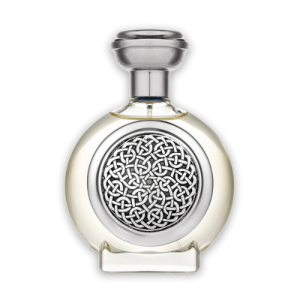
Boadicea the Victorious Monarch unfolds with regal poise: artemesia’s herbal flash, polished woods, lily of the valley. Commanding yet refined, it wears like velvet armour—confident with stately grandeur.

£225 for 100ml eau de parfum selfridges.com

cream bottle and cap

Amouage Outlands with a striking flicker of wormwood—cool, bitter, windswept. Resinous shadows and mineral warmth follow, conjuring vast frontiers; austere yet magnetic, a quietly powerful scent that lingers.

£335 for 100ml essence de parfum selfridges.com

Maison Crivelli Absinthe Boréale glows with icy clarity: absinthe’s green shimmer lifted by crisp woods and luminous musk. Bracing yet elegant, it feels like northern air—cool, aromatic, quietly mesmerising.

£190 for 100ml eau de parfum harveynichols.com